
Parenting Practices in Ancient India: Nurturing the Next Generation

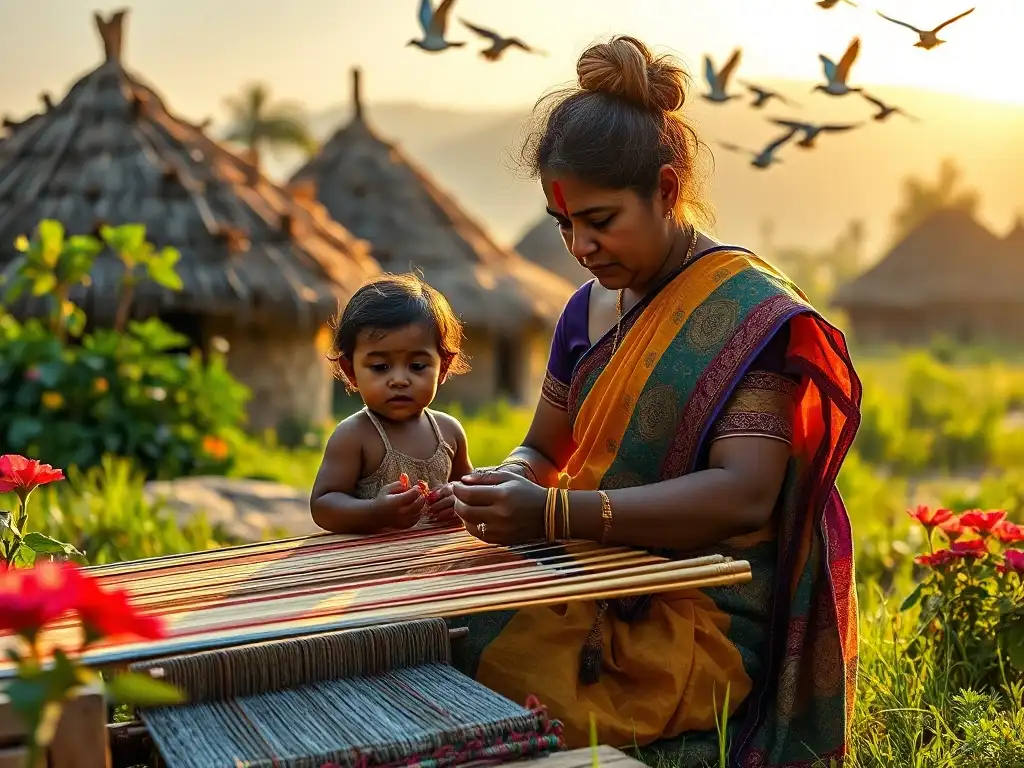
Welcome to Ancient India History, your gateway to the fascinating tapestry of one of the world's oldest civilizations. Here, we delve into the remarkable parenting practices in Ancient India, revealing how these traditions shaped the nurturing of future generations. From the wisdom of the Indus Valley to the flourishing Gupta Empire, discover the profound cultural influences that guided family life and societal values.
Are you curious about how these age-old practices resonate with modern parenting? Join us on this journey through time as we explore the intricate ways in which ancient societies cultivated love, discipline, and education in their children. Your adventure into the heart of India's rich heritage begins now!
Introduction to Parenting in Ancient India
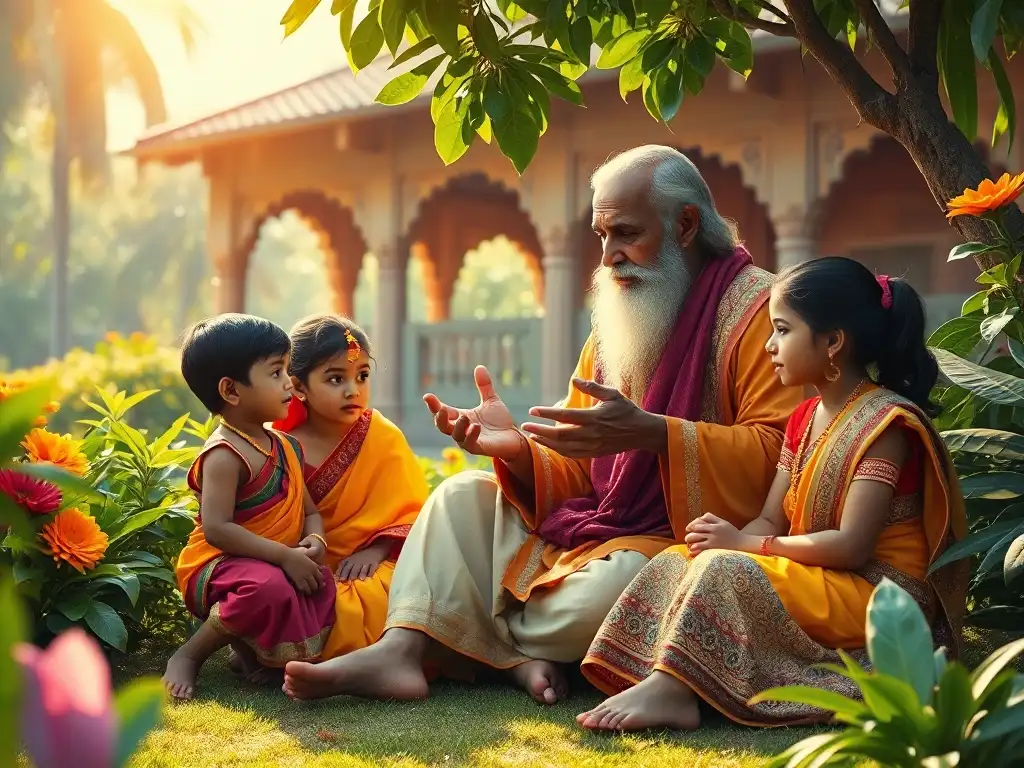
Parenting in Ancient India encompassed a rich tapestry of practices, beliefs, and societal norms that shaped the upbringing of children across various civilizations. These practices were deeply interwoven with the cultural, spiritual, and social fabric of the time, reflecting the values and aspirations of the society.
From the nurturing environments of the Indus Valley to the philosophical teachings found in Vedic texts, the approach to parenting evolved significantly through the ages. This article delves into the multifaceted parenting practices in ancient India, exploring how these customs not only aimed at raising children but also at instilling a sense of duty, ethics, and connection to their heritage.
Overview of Family Dynamics in Ancient Indian Society
In ancient Indian society, the family unit was considered the cornerstone of social structure. Families often consisted of extended relatives, where collective responsibility played a crucial role in child-rearing. Parents, grandparents, and even aunts and uncles actively participated in nurturing the younger generation. The hierarchical nature of the family also influenced parenting styles, where respect for elders and adherence to traditions were paramount.
- Key Characteristics of Family Dynamics:
- Joint Family Systems: Families typically lived together, sharing resources and responsibilities.
- Role of Elders: Grandparents and older relatives were respected figures, often serving as primary educators of moral values.
- Gender Roles: Parenting roles were often defined by gender, with mothers typically handling emotional nurturing and fathers focusing on discipline and education.
Importance of Parenting in Ancient Indian Culture
Parenting in Ancient India was not merely about physical care but was imbued with a sense of moral and ethical development. The ancient texts emphasize the significance of guiding children to become responsible and righteous individuals.
- Cultural Transmission: Parents were seen as the primary agents of cultural transmission, ensuring that children understood their heritage, rituals, and values.
- Education and Learning: Education was highly valued, with parents often teaching children through stories, scriptures, and practical lessons in daily life.
- Spiritual Development: Spirituality was an integral aspect, with parents introducing children to religious practices and philosophical teachings to foster a sense of identity and purpose.
Historical Context of Parenting Practices
Parenting in the Indus Valley Civilization
The Indus Valley Civilization, flourishing around 2500 BCE, exhibited early signs of structured parenting. Archaeological findings suggest that children were cared for with great affection and were provided with toys, indicating an understanding of play as a crucial aspect of development.
- Key Features:
- Evidence of well-planned homes and playgrounds suggests an emphasis on a nurturing environment.
- Artistic artifacts depict children engaged in various activities, highlighting the importance of leisure and creativity.
Influences of Vedic Literature on Parenting
The Vedic period introduced profound philosophical and educational insights that significantly influenced parenting practices. Texts such as the Rigveda and Upanishads emphasized the roles of parents in nurturing a child's intellect and spirituality.
- Core Principles:
- Dharma: The concept of duty guided parents in teaching children the importance of fulfilling their responsibilities.
- Education: The Gurukul system emerged, where children were sent to live with a teacher to learn various subjects, from scriptures to arts, underlined the value placed on holistic education.
Parenting during the Maurya and Gupta Empires
As India transitioned into the Maurya and Gupta Empires, parenting practices continued to evolve, influenced by the broader socio-political landscape. The emergence of formal education systems and increased emphasis on ethics and governance shaped parenting approaches.
- Notable Developments:
- The promotion of literacy and arts during these periods fostered an environment where education became accessible, with parents encouraging scholarly pursuits.
- The concept of Kshatriya and Brahmin families emphasized different parenting styles based on social roles, impacting how children were raised and prepared for their future responsibilities.
This exploration of parenting practices in ancient India reveals a sophisticated understanding of child-rearing, deeply rooted in cultural values and societal expectations. As we delve deeper, we will uncover more about the specific practices and philosophies that characterized parenting during these remarkable periods in history.
Core Principles of Parenting in Ancient India
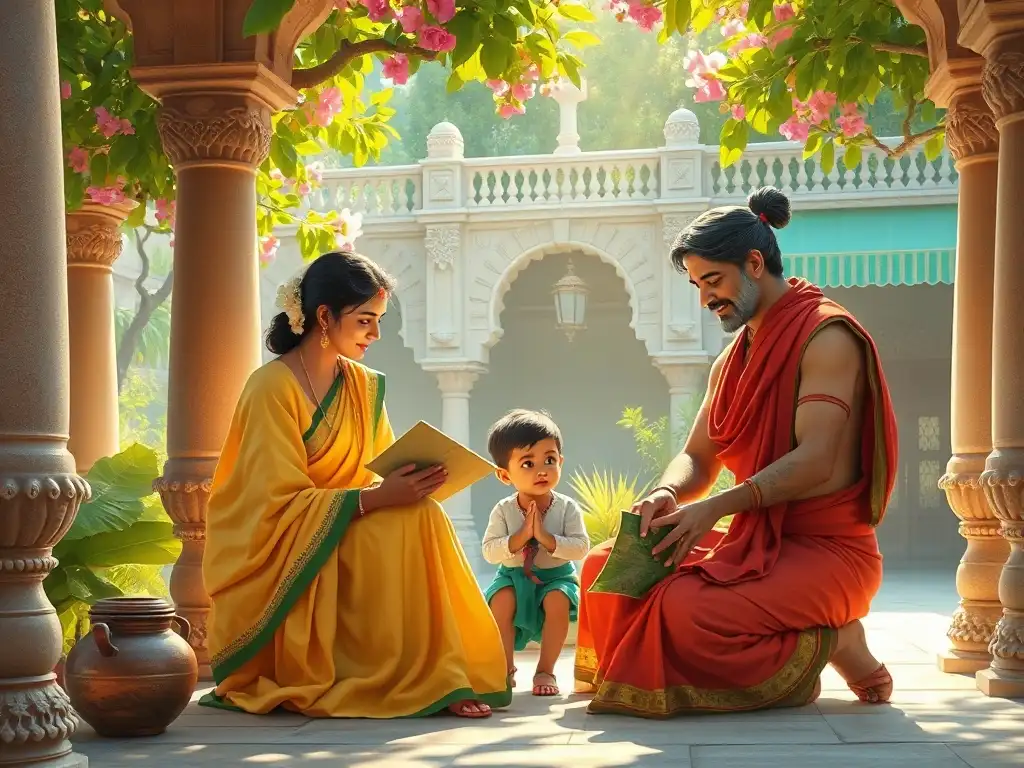
Parenting in Ancient India was deeply rooted in the cultural, social, and philosophical frameworks of the time. Central to these practices were several core principles that guided families in nurturing the next generation. These principles emphasized the importance of education, moral values, and spiritual development, creating a holistic approach to child-rearing that aimed not only at the physical well-being of children but also at their intellectual and emotional growth.
One of the fundamental tenets was the belief in the interconnectedness of knowledge, morality, and spirituality. Parents were viewed as the primary educators, responsible for imparting both practical knowledge and ethical teachings to their children. This transmission of knowledge was not limited to formal education but extended to everyday life, where children learned through observation and imitation of their parents and community members.
Furthermore, the societal structure in ancient India, which often revolved around joint families, allowed for a collaborative approach to parenting. This environment promoted shared responsibilities and collective wisdom in raising children, ensuring that they received diverse perspectives and guidance.
Emphasis on Education and Knowledge Transmission
Education was one of the cornerstones of parenting in Ancient India, often regarded as a sacred duty. Families prioritized the imparting of knowledge through various means, including the oral tradition, storytelling, and formal education in gurukuls (traditional schools). Children were encouraged to pursue wisdom, learning subjects such as philosophy, mathematics, literature, and arts from a young age.
The emphasis on education was also closely linked to the caste system, where different castes held diverse responsibilities and knowledge bases. For instance, Brahmin families emphasized the study of scriptures and philosophy, while Kshatriya families focused on martial skills and governance. This specialization in education not only prepared children for their roles in society but also reinforced the values and duties associated with their caste.
Moreover, the role of the teacher, or guru, was highly esteemed, with a significant emphasis on the reverence of knowledge and the teacher-student relationship. Children were taught to respect their educators, reflecting the broader cultural appreciation for learning and wisdom. This foundational emphasis on education has had a lasting impact on the Indian ethos, where learning is still held in high regard.
Role of Religion and Spirituality in Parenting
Religion and spirituality played a pivotal role in shaping parenting practices in Ancient India. The belief systems of Hinduism, Buddhism, and Jainism infused daily life with spiritual significance, and this was reflected in the upbringing of children. Parents instilled religious values and practices in their offspring from an early age, teaching them rituals, prayers, and moral stories from sacred texts.
The spiritual dimension of parenting was not only about adherence to religious customs but also about fostering a sense of moral responsibility and ethical conduct. Children were taught the importance of virtues such as truthfulness, compassion, and respect for all living beings. This moral framework was instrumental in guiding children's behavior and decision-making throughout their lives.
Celebrations of religious festivals and observances were communal events that reinforced family ties and cultural identity. These occasions provided opportunities for children to engage with their community, learn about their heritage, and understand the significance of their traditions. Through participation in these rituals, children developed a sense of belonging and understanding of their place within the larger tapestry of society.
The Concept of Dharma and its Impact on Child-rearing
The concept of dharma, or duty, was a foundational aspect of parenting in Ancient India. It shaped not only the responsibilities of parents but also the expectations placed on children as they grew. Dharma encompassed ethical conduct, social obligations, and adherence to the moral order, guiding families in their approach to child-rearing.
Parents were tasked with teaching their children about their dharma in relation to their caste, gender, and age. This included understanding their roles within the family and society, as well as the moral implications of their actions. Children learned to balance personal desires with their responsibilities, fostering a sense of discipline and accountability.
The emphasis on dharma also encouraged respect for elders and authority figures, which was integral to maintaining harmony within the family and community. This hierarchical structure was not only a social norm but also a means of preserving cultural values and traditions across generations. The teachings of dharma thus formed the bedrock of ethical upbringing, shaping children into responsible and conscientious adults.
Parenting Roles and Responsibilities
In Ancient India, the roles and responsibilities of parenting were distinctly defined yet complementary, with both mothers and fathers playing vital parts in their children's upbringing. This division of responsibilities was influenced by social norms, cultural expectations, and the overarching family structure, which often included extended family members.
Maternal Influences: The Role of Mothers in Child Development
Mothers held a central role in child development, often regarded as the primary caregivers and educators during the formative years. Their influence extended beyond physical care; mothers were responsible for instilling values, morals, and cultural practices in their children. This nurturing role was characterized by affection, guidance, and emotional support, creating a strong bond that fostered secure attachments in early childhood.
Mothers were typically the first teachers, introducing children to language, basic skills, and the nuances of social interactions. They played a crucial role in imparting cultural traditions through storytelling and daily rituals, ensuring that children developed a sense of identity and continuity with their heritage.
Additionally, the maternal role often involved managing the household, which provided children with practical life skills and an understanding of domestic responsibilities. Mothers were seen as the cornerstone of the family, shaping not only the individual character of their children but also the family's social fabric.
Paternal Guidance: Fathers' Contributions to Parenting
Fathers in Ancient India were primarily seen as the protectors and providers of the family. Their role encompassed financial support and the imparting of discipline and authority. Fathers often engaged in the education of their children, particularly in areas related to vocational skills, governance, and moral philosophy.
The paternal influence was significant in preparing children for their future roles in society. Fathers were responsible for teaching their sons about their duties as men, instilling values of bravery, honor, and responsibility. In many cases, fathers also played a crucial role in the formal education of their children, guiding them through their studies and ensuring they received proper training in their respective fields.
Moreover, the father’s role was essential in modeling behavior and setting expectations for conduct. Through their actions and decisions, fathers demonstrated the importance of integrity, leadership, and social responsibility, shaping the character and aspirations of their children.
Extended Family's Role in Child Rearing
The concept of parenting in Ancient India extended beyond the nuclear family to include the extended family, which played a vital role in child-rearing practices. Grandparents, uncles, aunts, and other relatives often participated actively in nurturing children, providing additional layers of support, guidance, and wisdom.
This collective approach to parenting fostered a rich environment for children, where they could learn from a diverse array of experiences and perspectives. Extended family members often shared their skills and knowledge, enhancing the educational and moral upbringing of the young. For example, grandparents were seen as custodians of cultural traditions, passing down stories, rituals, and life lessons that enriched children's understanding of their heritage.
Additionally, the presence of extended family provided a sense of security and community, which was paramount in ancient societal structures. Children learned the importance of relationships, cooperation, and shared responsibilities, preparing them for their roles in the larger social fabric. This interconnectedness among family members ensured that children were nurtured in a supportive environment, fostering a sense of belonging and continuity across generations.
Child Rearing Practices in Ancient Indian Households
Child rearing in ancient Indian households was deeply intertwined with cultural, religious, and societal norms. Families placed a significant emphasis on the moral and ethical upbringing of children, often guided by the principles outlined in ancient texts such as the Manusmriti. Children were taught the importance of dharma (duty) from a young age, with specific roles assigned to each gender.
In many households, the mother held a central role in nurturing and educating her children. She was responsible for instilling values, traditions, and skills necessary for everyday life. This involved storytelling, where moral lessons were imparted through tales of heroes and deities, reinforcing cultural identity. The father, meanwhile, often took on the role of a provider and protector, teaching children about their responsibilities and societal roles.
The approach to child rearing also varied by region and community, reflecting local customs and practices. For instance, in some communities, the extended family played a crucial role, with grandparents and other relatives contributing to the child's upbringing. This communal approach fostered a sense of belonging and security among children, reinforcing the values of cooperation and respect for elders.
Rituals and Traditions Associated with Birth and Naming
The arrival of a child was celebrated with various rituals and traditions, reflecting the significance of birth in ancient Indian society. One of the most important ceremonies was the Jatakarma, performed shortly after birth, which involved rituals to welcome the newborn into the family and community. This ceremony often included the chanting of mantras, symbolic acts to ward off evil, and blessings for the child's health and prosperity.
The naming ceremony, known as Namakarana, was another crucial ritual. It typically took place on the 11th day after birth, although this could vary based on community customs. During this ceremony, the child's name was chosen, often based on astrological considerations or family lineage. The naming ritual was not merely a formality but a significant event that symbolized the child's identity and connection to the family’s heritage.
These rituals were accompanied by festive celebrations, where family and friends gathered to bless the child. Offerings to deities were made to ensure divine protection and guidance for the newborn. Such practices reinforced the community's role in child rearing, emphasizing the collective responsibility towards nurturing the next generation.
Initiation Rites and Educational Practices
As children grew, initiation rites became an essential part of their development. These rites marked the transition from childhood to adolescence, with ceremonies like the Upanayana for boys, which involved the sacred thread ceremony. This rite of passage was significant in shaping a boy's identity as a student and a future household head. During this ceremony, the boy was introduced to the study of the Vedas, which emphasized the importance of education and spiritual knowledge.
For girls, the educational opportunities often varied significantly based on social status and community norms. While many girls were primarily trained in domestic skills, some families ensured access to education through informal means, with teachings focused on literacy, arts, and moral values. Texts such as the Arthashastra provided insights into the importance of education for both genders, acknowledging that an educated woman could contribute significantly to the household and society.
Educational practices were not solely confined to formal settings; learning was often a communal activity, where children learned through observation and participation in daily tasks. This hands-on approach reinforced practical skills and social values, preparing children for their roles within the family and the larger community.
Daily Life and Parenting: Balancing Work and Family
Parenting in ancient India required a delicate balance between work and family life. Households typically engaged in agrarian activities, crafts, or trade, necessitating that parents manage their time effectively to provide for their children's needs while ensuring their upbringing. The division of labor was often gender-based, with men primarily responsible for external work, while women managed the household and childcare.
Despite the demands of daily labor, families prioritized spending time together. Evenings often included storytelling sessions or communal family activities, which served not only as entertainment but also as educational moments. This balance of work and family time was crucial for emotional bonding and the transmission of cultural values.
In many households, older siblings played a vital role in helping with childcare, thus fostering a sense of responsibility and teamwork among siblings. This familial collaboration contributed to a supportive environment for children, where they learned both practical skills and social interactions essential for their growth.
Parenting Challenges and Solutions in Ancient India
Parenting in ancient India came with various challenges, influenced by societal norms, economic conditions, and external factors such as conflict and migration. Families had to navigate these issues while striving to provide a nurturing environment for their children.
Addressing Health and Well-being of Children
The health and well-being of children were paramount concerns for parents in ancient India. Malnutrition and diseases were common, particularly in agrarian societies where food security could fluctuate. Families employed traditional practices and herbal remedies to address health issues, often relying on the knowledge passed down through generations.
Communities organized collective efforts to ensure children's health, with rituals and festivals promoting well-being. For instance, certain festivals included dietary restrictions or specific foods believed to enhance health, emphasizing the communal approach to children's welfare.
In addition to physical health, mental well-being was also recognized, with practices such as yoga and meditation becoming integral to family life. These practices aimed to promote not only physical health but also emotional resilience among children, preparing them to face life's challenges.
Social and Economic Factors Affecting Parenting
Social and economic factors significantly influenced parenting practices in ancient India. Families from wealthier backgrounds often had access to better resources, education, and healthcare, allowing them to provide more opportunities for their children. In contrast, lower socio-economic families faced challenges such as limited access to education and health services, which impacted their children's development.
Caste and community dynamics also played a role in shaping parenting practices. Different communities had varying expectations and norms regarding education, marriage, and gender roles, which affected how children were raised. Families often navigated these complexities while striving to uphold cultural values and ensure a better future for their children.
Coping with the Influence of War and Migration on Families
War and migration were significant factors impacting families in ancient India, often leading to instability and disruption in parenting practices. Families were forced to adapt to new environments, which could alter traditional child-rearing practices. In times of conflict, the safety and security of children became paramount concerns, prompting families to seek refuge or migrate to safer regions.
In response to the challenges of war, families often relied on resilience and resourcefulness. Communities banded together to support one another, sharing resources and knowledge to help raise children amidst adversity. This communal support system was essential in mitigating the adverse effects of conflict on child development.
Migration, whether due to economic necessity or social change, also led to the blending of parenting practices across cultures. Families often adopted new traditions and methods while still holding onto their ancestral practices, creating a rich tapestry of parenting approaches that reflected their diverse experiences and histories.
Legacy of Parenting Practices in Ancient India
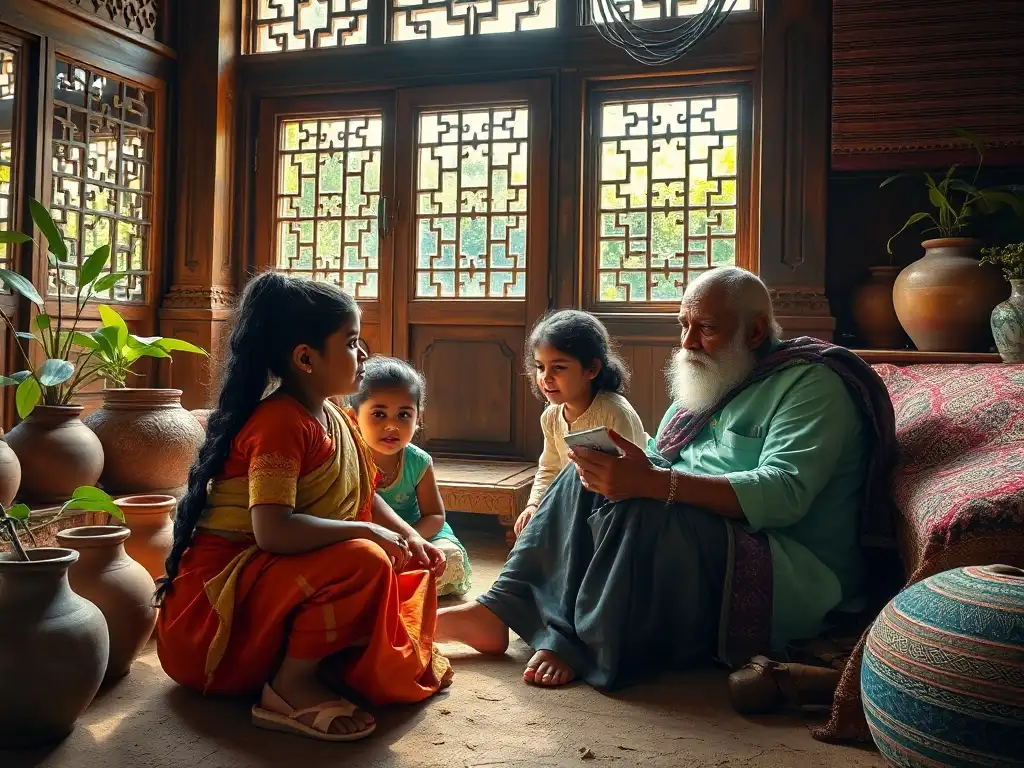
The legacy of parenting practices in ancient India is deeply rooted in the cultural, philosophical, and social frameworks of the time. Ancient texts such as the Manusmriti and Mahabharata provide insights into the values that governed family life and child-rearing. Parents were seen as primary educators, responsible for instilling moral values, discipline, and knowledge in their children. The emphasis on education is evident in the Gurukul system, where children lived with their teacher (guru) to learn various subjects, including philosophy, arts, and sciences.
These practices highlighted a holistic approach to child development, focusing on physical, emotional, and spiritual well-being. The role of women in parenting was also significant; mothers were revered as the first teachers, imparting essential life skills and cultural wisdom. The rituals and customs surrounding childbirth and early childhood, such as the Jatakarma (birth ceremony) and Namakarana (naming ceremony), reflect the importance placed on nurturing and celebrating new life. Overall, the parenting practices of ancient India laid the groundwork for family dynamics and societal values that continue to resonate today.
Influence on Modern Indian Parenting Styles
Modern Indian parenting styles are significantly influenced by ancient practices, albeit with adaptations to accommodate contemporary societal changes. Traditional values emphasizing respect for elders, the importance of education, and familial bonds still play a crucial role in current parenting approaches. For instance, the concept of joint families, where multiple generations live together, persists in many Indian households, fostering a support system that echoes past practices.
Additionally, modern parents often draw inspiration from ancient wisdom regarding child development. The holistic approach to education—balancing academic learning with moral and spiritual growth—remains prevalent. This influence can be seen in the increasing popularity of extracurricular activities, yoga, and meditation, which parents incorporate into their children's routines to promote overall well-being. While modern influences such as technology and globalization have introduced new challenges, the core values of nurturing and education rooted in ancient practices continue to shape parenting in India today.
Continuity and Change in Parenting Traditions
Parenting traditions in India exhibit both continuity and change over the centuries. While many ancient practices have been preserved, others have evolved in response to shifting societal norms and modern challenges. For example, the emphasis on education remains a constant theme, but the methods and access to education have transformed dramatically. In ancient times, education was primarily available to the elite, whereas today, efforts are underway to ensure that quality education reaches all segments of society.
Moreover, the role of women in parenting has seen significant change. In ancient India, women were primarily caregivers and educators within the home. However, modern women increasingly balance professional responsibilities with parenting, leading to a redefinition of family roles. This evolution reflects broader changes in gender dynamics and societal expectations, highlighting how parenting practices adapt to the context of the times while still retaining elements of their ancient heritage.
Conclusion: The Impact of Ancient Parenting Practices on Future Generations
The impact of ancient parenting practices on future generations is profound and multifaceted. These practices have not only shaped individual families but also contributed to the broader cultural identity of Indian society. The teachings and values imparted through generations have created a framework for interactions within families, communities, and society at large. The emphasis on education, moral upbringing, and respect for traditions continues to influence how children are raised today.
Reflection on the Evolution of Family and Parenting in Indian Society
Reflecting on the evolution of family and parenting in Indian society reveals a rich tapestry of change and continuity. The transition from traditional to modern parenting styles illustrates the resilience and adaptability of cultural practices. Although many ancient customs have been modified or replaced, the underlying values of nurturing, education, and community support remain integral to Indian family life. This evolution highlights the dynamic nature of parenting as it responds to new realities while honoring its historical roots.
Significance of Understanding Ancient Indian Parenting in Contemporary Context
Understanding ancient Indian parenting is significant in contemporary contexts for several reasons. First, it provides valuable insights into the foundational values that shape Indian culture today. Recognizing the historical context of parenting practices can help modern parents navigate the complexities of raising children in a rapidly changing world. Additionally, these ancient practices can offer solutions to contemporary challenges, such as the need for a balanced approach to education and emotional well-being.
Furthermore, exploring these practices fosters a sense of cultural pride and continuity, allowing families to connect with their heritage. In a globalized world, where influences from various cultures abound, understanding the depth of ancient Indian parenting can empower individuals to blend traditional wisdom with modern parenting techniques, creating a unique and enriching environment for future generations.
References and Further Reading on Parenting in Ancient India
The study of parenting practices in ancient India reveals a rich tapestry of cultural values, traditions, and societal norms that shaped the upbringing of children. Below are essential texts and resources that provide deeper insights into the parenting dynamics of ancient Indian societies.
Suggested Texts and Artifacts Related to Parenting Practices
- The Vedas: The Rigveda and other Vedic texts contain hymns and teachings that reflect the importance of family and the role of parents. These texts emphasize values such as respect, duty, and the spiritual education of children.
- The Manusmriti: This ancient legal text provides guidelines on family life, including the responsibilities of parents. It outlines the ideal behaviors expected from parents in nurturing and educating their children.
- The Mahabharata: This epic poem includes various stories and teachings that highlight parental roles and the ethical upbringing of children. The tales of characters like Yudhishthira and his commitment to righteousness can offer insights into moral education.
- Artifacts: Archaeological findings, such as toys and household items from the Indus Valley Civilization, suggest the significance of play in child-rearing. These artifacts can provide a tangible connection to the parenting practices of ancient times.
- The Ashtavakra Gita: While primarily a philosophical text, it contains dialogues that touch upon the duties of a parent and the significance of imparting wisdom to children.
Recommended Academic Journals and Articles on Ancient Indian Family Life
- Journal of Indian History: This journal often publishes articles that explore various facets of daily life in ancient India, including family dynamics and parenting.
- Indian Journal of Social Science Research: Articles in this journal delve into social structures and family life in ancient societies, providing scholarly perspectives on parenting practices.
- "Childhood in Ancient India" by Dr. Ramesh Chandra: This article examines the concept of childhood in ancient Indian texts and how parental roles evolved over time.
- "Family and Kinship in Ancient India" by Prof. Anita Sharma: This research paper discusses the family structures prevalent in ancient Indian society and their influence on parenting.
- "The Role of Women in Parenting in Ancient India": This scholarly article explores the contributions of mothers in ancient Indian families, emphasizing their roles in education and moral upbringing.
These texts and resources are invaluable for anyone interested in understanding the complexities of parenting in ancient India and the broader context of family life during that era.
- Introduction to Parenting in Ancient India
- Overview of Family Dynamics in Ancient Indian Society
- Importance of Parenting in Ancient Indian Culture
- Historical Context of Parenting Practices
- Core Principles of Parenting in Ancient India
- Parenting Roles and Responsibilities
- Child Rearing Practices in Ancient Indian Households
- Parenting Challenges and Solutions in Ancient India
- Legacy of Parenting Practices in Ancient India
- Conclusion: The Impact of Ancient Parenting Practices on Future Generations
- References and Further Reading on Parenting in Ancient India
- What were some common parenting practices in ancient India?
- How did social status influence parenting in ancient India?
- What role did extended family play in child-rearing?
- How did religion impact parenting methods?
- Were there differences in parenting practices among various regions of ancient India?
Frequently Asked Questions
What were some common parenting practices in ancient India?
In ancient India, parenting practices emphasized moral education, respect for elders, and the teaching of traditional values through storytelling and rituals.
Social status played a significant role, with higher castes often having more access to education and resources, which affected how children were raised and the expectations placed on them.
What role did extended family play in child-rearing?
The extended family was crucial in ancient India, providing support and sharing the responsibilities of nurturing and educating children, reinforcing the importance of community.
How did religion impact parenting methods?
Religion greatly influenced parenting, as families often instilled spiritual values and ritual practices in children, aiming to cultivate a sense of duty and moral integrity.
Were there differences in parenting practices among various regions of ancient India?
Yes, there were notable differences in parenting practices across various regions, influenced by local customs, cultural beliefs, and the availability of resources, reflecting the diverse nature of ancient Indian civilizations.
Final Reflection: Embracing the Wisdom of Parenting in Ancient India
Parenting practices in ancient India offer profound insights that resonate with today's challenges and triumphs in nurturing the next generation. As we navigate the complexities of modern parenting, the timeless principles derived from ancient wisdom remind us that the essence of raising children transcends time and culture. The lessons learned from the past can serve as a guiding light, illuminating our path as we strive to foster resilience, empathy, and wisdom in our children.
The influence of these ancient practices continues to shape our cultural and social landscape, reminding us of the importance of community, education, and moral values in child-rearing. The teachings of figures like Chanakya and the principles found in texts such as the Manusmriti highlight the significance of nurturing not just the mind but the spirit of our children. As we reflect on these teachings, we are reminded that “The greatest gift a parent can give to their child is a few minutes of their time each day.”
As we conclude this exploration of parenting in ancient India, I invite you to reflect on how these age-old practices can enrich your own parenting journey. Consider how you can integrate the values of patience, respect, and holistic development into your daily life. By embracing the wisdom of the past, we can create a nurturing environment that empowers our children to thrive in an ever-changing world. Let us honor the legacy of ancient parenting by committing to raise a generation that embodies the virtues of compassion, wisdom, and resilience.
Embrace Ancient Wisdom for Modern Parenting!
Thank you for exploring the rich tapestry of parenting practices from ancient India with us! We hope you found inspiration in the timeless wisdom that has nurtured generations. Now, it’s your turn to apply these insights to your own parenting journey.
Here are a few ways you can take action:
- Incorporate ancient techniques into your daily routine: Consider trying a traditional parenting method this week, such as storytelling, to instill important values and foster creativity in your children.
- Share your discoveries: Engage in discussions about what you've learned with friends or participate in an online parenting community to exchange ideas on how ancient practices can enhance the experience of modern families.
- Explore further: Delve into historical texts or educational resources related to Indian parenting practices to uncover how they can address the challenges faced by families today.
Which ancient parenting practice do you believe would be most beneficial in today’s world? We invite you to spark a conversation in the comments below!