
The Untold Stories of Laborers: Life Behind the Scenes in Ancient India

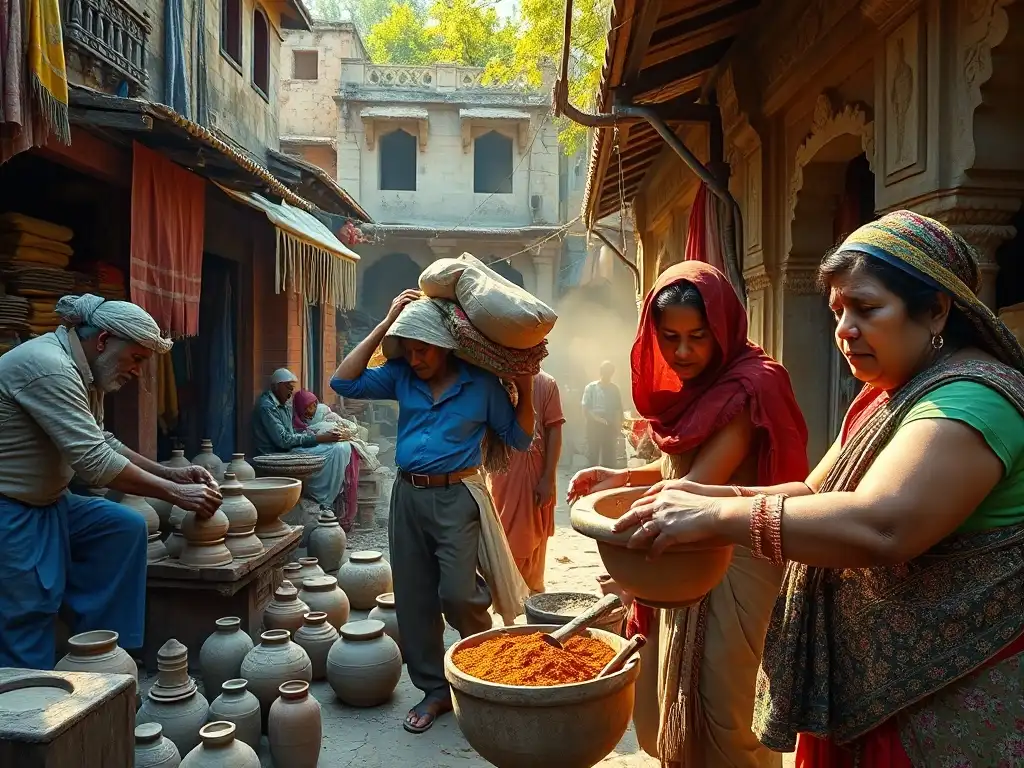
Welcome to Ancient India History, where we embark on a fascinating journey through the vibrant tapestry of ancient Indian civilizations. In this exploration, we shine a light on an often-overlooked aspect of life in these remarkable societies: the laborers. Our main article, “ The Untold Stories of Laborers: Life Behind the Scenes in Ancient India,” delves into the lives of those who toiled tirelessly, shaping the world around them.
Prepare to uncover the rich narratives that reveal not only their struggles but also their contributions to the flourishing cultures of the Indus Valley and beyond. Join us in discovering the hidden heroes of history and let your curiosity guide you deeper into this captivating topic!
Introduction to Laborers in Ancient India
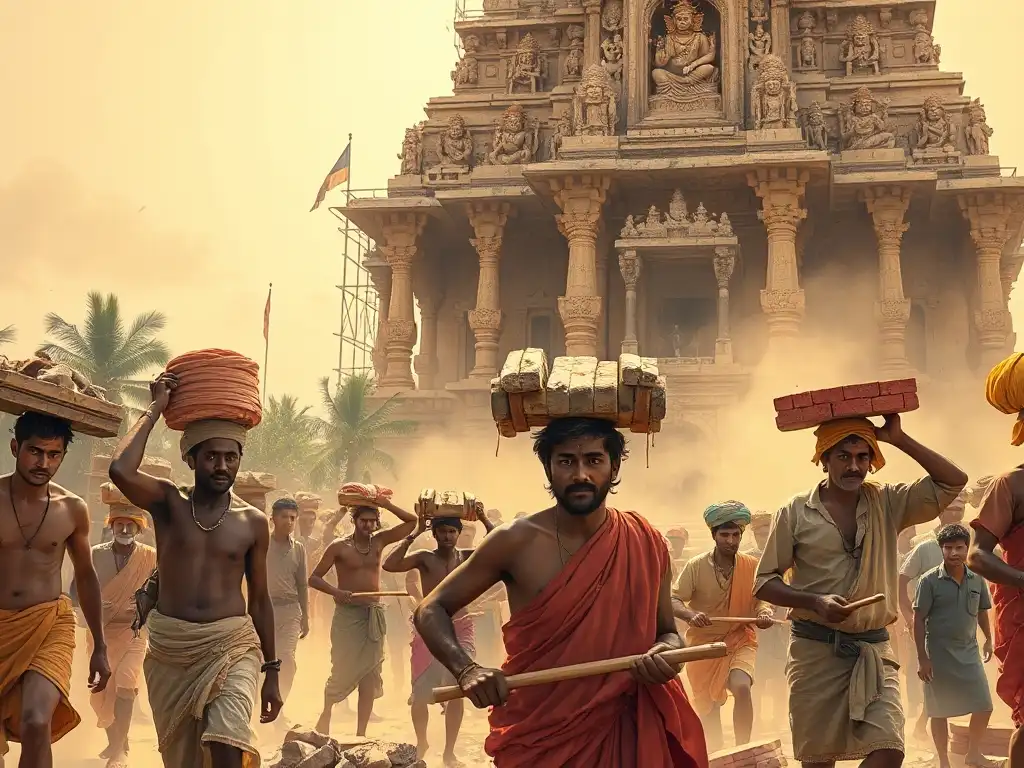
The history of ancient India is often narrated through the tales of emperors, warriors, and philosophers, leaving little room for the vital contributions of laborers. These individuals, often overlooked, played a crucial role in the development and sustainability of ancient Indian civilizations. From the fertile plains of the Indus Valley to the majestic courts of the Gupta Empire, laborers were the unsung heroes who powered the economy, culture, and infrastructure of their times.
This article delves into the lives of these laborers, exploring their roles, working conditions, and the pivotal impact they had on society. By uncovering their stories, we aim to highlight the integral position that laborers held in shaping ancient India.
Overview of Labor Systems in Ancient Indian Civilizations
Labor systems in ancient India were complex and multifaceted, reflecting the diverse societal needs and cultural practices of the time. These systems were largely agrarian, with the majority of the population engaged in farming. However, the labor force also included artisans, construction workers, and domestic staff, each contributing to the intricate tapestry of daily life.
- Agricultural Labor: Farming was the primary occupation, with laborers working the fields to produce staple crops such as rice, wheat, and pulses.
- Craftsmanship: Skilled artisans created intricate textiles, pottery, and jewelry, playing a critical role in trade and cultural expression.
- Construction: Workers were essential in erecting temples, palaces, and other monumental structures, showcasing the architectural prowess of ancient India.
- Domestic Labor: Servants and domestic workers supported the upper classes, ensuring the smooth running of households.
Understanding these labor systems provides insight into how ancient Indian societies functioned and thrived.
Importance of Laborers in Social and Economic Structures
Laborers were not just participants in the economy; they were foundational to its very structure. Their contributions enabled the prosperity of cities and the maintenance of trade routes. Socially, laborers were often organized into guilds or communities, which provided a sense of identity and support.
- Economic Impact: The productivity of agricultural laborers ensured food security, while artisans stimulated trade through their crafted goods.
- Social Hierarchies: Laborers occupied various positions in the social hierarchy, often influenced by their skills and the nature of their work.
- Cultural Contributions: Many laborers, particularly craftsmen, influenced cultural practices through their art, contributing to the rich heritage of ancient India.
Types of Laborers in Ancient India
Ancient India's labor force was diverse, encompassing various types of workers, each with unique roles and responsibilities.
Agricultural Laborers: The Backbone of Society
Agricultural laborers were the backbone of ancient Indian society, responsible for cultivating the land and ensuring food production. These laborers often worked in cooperative groups, sharing resources and labor to maximize efficiency.
- Roles and Responsibilities: Tasks included plowing, sowing, harvesting, and irrigation.
- Living Conditions: Many laborers lived in small villages, with their livelihoods closely tied to seasonal changes and crop cycles.
Artisans and Craftsmen: Skilled Laborers of Ancient India
Artisans and craftsmen were essential to the cultural and economic fabric of ancient India. Their skills allowed them to produce goods that were not only functional but also aesthetically pleasing.
- Types of Crafts: This group included potters, weavers, metalworkers, and stone carvers, each specializing in their craft.
- Market Influence: Artisans played a crucial role in trade, often traveling to sell their goods in bustling markets.
Construction Workers: Building the Wonders of Ancient India
The construction workers of ancient India were responsible for creating some of the most iconic structures still admired today. From elaborate temples to fortified cities, their labor was critical in shaping the landscape.
- Techniques and Tools: These workers utilized advanced techniques for their time, employing tools made from stone and metal.
- Community Efforts: Large projects often required collective labor, reflecting the communal spirit of ancient societies.
Domestics and Servants: The Unseen Contributors
Domestic workers and servants were pivotal in maintaining the households of the elite, performing tasks that ranged from cooking and cleaning to caring for children.
- Social Dynamics: Their roles often reflected the social hierarchy, with many domestic workers coming from lower castes.
- Cultural Influence: Despite their unseen status, these laborers influenced household customs and traditions, contributing to the cultural landscape of the time.
In exploring these diverse roles, we gain a deeper understanding of the labor systems in ancient India, revealing the rich tapestry of life that existed behind the scenes.
Daily Life of Laborers in Ancient India
The daily life of laborers in ancient India was largely shaped by their social status, occupation, and the prevailing economic conditions. Laborers, who formed the backbone of various industries, lived in close-knit communities, often in rural and semi-urban areas. Their day typically began at dawn, with many engaged in agricultural activities or craft production. The rhythm of their lives was dictated by the seasons, agricultural cycles, and the demands of their trades.
Laborers often worked long hours, performing physically demanding tasks that required significant endurance and skill. Their routines were interspersed with brief breaks for meals, usually consisting of simple, locally sourced foods. Family and community played a crucial role in their lives, with laborers often working together with relatives and neighbors. Festivals and community gatherings provided them with moments of respite from their labor, allowing them to celebrate their culture and traditions.
Work Environment and Conditions of Laborers
The work environment of laborers in ancient India varied greatly depending on their specific occupations. Agricultural laborers toiled in fields, often exposed to harsh weather conditions, which made their work physically taxing. In contrast, artisans and craftsmen worked in workshops or at home, where they had access to tools and materials necessary for their trades.
Despite the critical role they played in society, laborers often faced challenging working conditions. They were frequently subjected to long hours and minimal wages, which made their economic situation precarious. In some cases, laborers were bound to a particular land or master, which limited their mobility and economic freedom. However, there were instances where skilled laborers could negotiate better conditions or wages, particularly in urban centers where demand for crafts and services was higher.
Tools and Techniques Used by Laborers
Laborers in ancient India employed a variety of tools and techniques that were specific to their crafts and trades. Agricultural laborers used simple yet effective implements like the plow, sickle, and hoe, made primarily from wood and metal. These tools were essential for tilling the soil, harvesting crops, and managing irrigation systems.
Artisans, on the other hand, utilized a range of specialized tools tailored to their crafts. For example, potters used wheels and kilns to produce their wares, while metalworkers employed anvils, hammers, and tongs for shaping metals. The techniques passed down through generations often involved intricate skills and knowledge, contributing to the high quality of goods produced.
Cultural Contributions of Laborers in Ancient India
Laborers in ancient India made significant cultural contributions that enriched the civilization's heritage. Their work not only satisfied economic needs but also fostered artistic expression and community identity, reflecting the dynamic nature of ancient Indian society.
Influence on Art and Craftsmanship
The craftsmanship of laborers played a vital role in shaping the artistic landscape of ancient India. Skilled artisans were responsible for creating intricate sculptures, pottery, textiles, and jewelry that showcased the richness of Indian culture. Their work often incorporated local motifs, religious symbols, and stories from mythology, thereby preserving and transmitting cultural narratives through their art.
Moreover, the techniques and styles developed by laborers were influential in various regions, contributing to different artistic schools and movements. The craftsmanship of laborers laid the foundation for the rich tradition of Indian art, which continues to inspire contemporary artists today.
Role in Religious and Cultural Practices
Laborers also contributed to religious and cultural practices in ancient India. Many laborers were involved in the construction of temples and other religious structures, which required not only physical labor but also an understanding of architectural design and religious significance. Their efforts in building and maintaining these spaces reflected their integral role in the spiritual life of the community.
Additionally, laborers participated in various festivals and rituals, often preparing offerings, decorations, or performing traditional dances. These activities fostered a strong sense of community and cultural identity, linking laborers to the broader social fabric of ancient Indian society.
Laborers and Their Contribution to Trade
The contribution of laborers to trade was crucial for the economic development of ancient India. Agricultural laborers produced surplus crops, which were essential for sustaining local markets and facilitating trade with neighboring regions. This agricultural output not only supported the local economy but also contributed to trade networks that extended to far-off lands.
Craftsmen and artisans played an equally important role in trade, as their goods were highly sought after in both local and long-distance markets. The products of skilled laborers, including textiles, pottery, and metalwork, were traded extensively, leading to the establishment of vibrant marketplaces and trade routes. This interaction among various regions fostered cultural exchanges and contributed to the richness of ancient Indian civilization.
Challenges Faced by Laborers in Ancient India
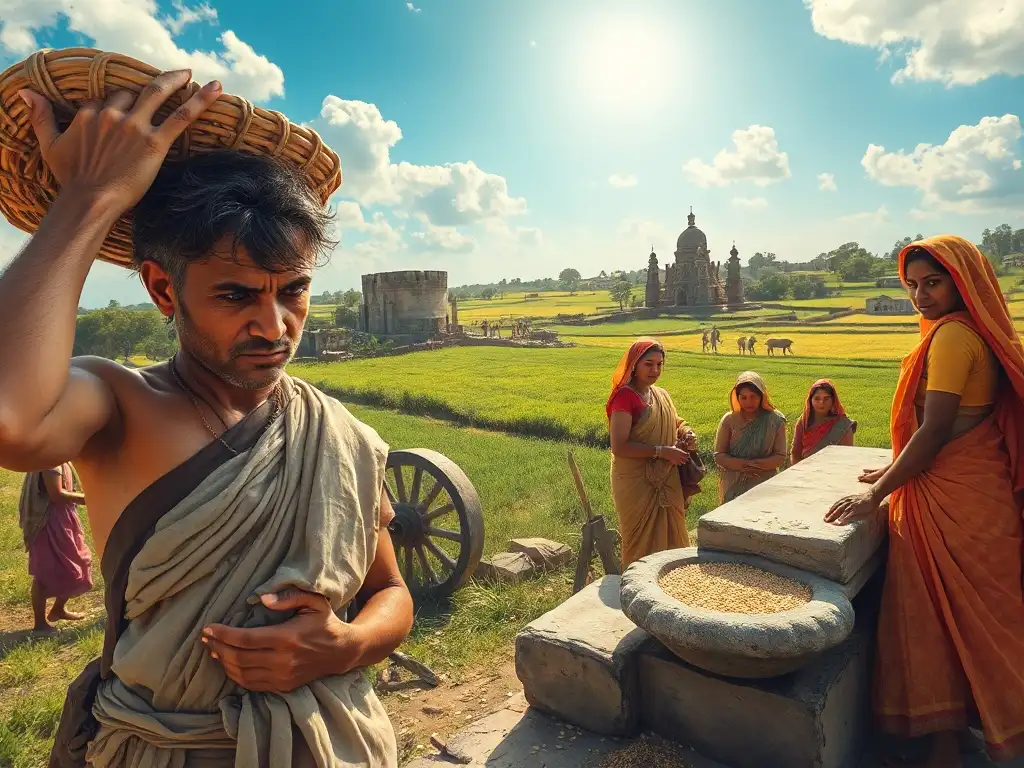
Laborers in ancient India faced a myriad of challenges that were deeply intertwined with the socio-economic and political fabric of their time. These challenges ranged from economic hardships to social injustices, which collectively shaped their lives and occupations. Understanding these difficulties is crucial in appreciating the contributions and resilience of laborers throughout ancient Indian history.
Economic Hardships and Exploitation
Economic hardships were a defining characteristic of the lives of laborers in ancient India. Many laborers worked in agriculture, which was highly susceptible to the vagaries of nature, such as floods or droughts. The agrarian economy meant that laborers often faced seasonal unemployment and were subject to the exploitation of landowners who paid them meager wages. This cycle of poverty made it difficult for laborers to secure their livelihoods and often trapped them in a state of indebtedness.
Furthermore, the lack of formal contracts and labor rights meant that laborers had little recourse against unfair treatment. Landlords and wealthy merchants wielded significant power, leading to a system where laborers were at the mercy of their employers. The economic exploitation was exacerbated by taxation policies imposed by rulers, which further drained the resources of the laboring class.
Social Injustices and Class Struggles
Laborers in ancient India were often marginalized and faced social injustices that stemmed from the rigid caste system. Many laborers belonged to lower castes or were considered "untouchables," which subjected them to discrimination and social ostracism. This social hierarchy dictated their interactions with other classes, limiting their opportunities for social mobility and reinforcing their economic vulnerabilities.
Class struggles were prevalent, as laborers frequently found themselves in conflict with the ruling elite and landowners. These tensions often erupted into protests and uprisings, as laborers sought to assert their rights and demand better working conditions. Such struggles were not merely about economic gain; they were deeply rooted in the quest for dignity and recognition within a society that often viewed them as expendable.
Impact of Political Changes on Labor Systems
Political changes throughout ancient Indian history had a profound impact on labor systems. For instance, the rise and fall of empires, such as the Maurya and Gupta Empires, altered the structure of labor and the rights of workers. During periods of stability, laborers might have enjoyed better conditions, but during times of conflict or upheaval, their rights were often severely curtailed.
The introduction of new administrative systems and taxation policies also affected labor dynamics. Taxation could lead to increased burdens on laborers, compelling them to work longer hours or accept lower pay. Conversely, some rulers implemented reforms that improved conditions for laborers, reflecting a complex interplay between governance and labor rights that varied across different regions and eras.
Labor Movements and Reforms in Ancient India
Labor movements and reforms in ancient India emerged as responses to the numerous challenges faced by laborers. These movements played a crucial role in advocating for the rights and dignity of workers, laying the groundwork for future labor rights movements.
Emergence of Labor Organizations
The formation of labor organizations in ancient India marked a significant development in the collective action of laborers. These organizations often emerged from local guilds and associations, which provided a platform for laborers to unite and voice their concerns. Such groups facilitated negotiations with employers and sought to improve working conditions, wages, and social status.
The emergence of labor organizations was often tied to the growth of urban centers and trade. As cities expanded, the demand for skilled labor increased, leading to the formation of trade unions that represented the interests of various crafts and occupations. These organizations played a vital role in organizing strikes and protests, which were essential for challenging the status quo.
Key Figures and Their Contributions to Labor Rights
Throughout ancient Indian history, key figures emerged who championed the rights of laborers. These individuals often came from within the laboring class or were sympathetic allies who recognized the injustices faced by workers. They organized movements, led protests, and advocated for reforms that aimed to uplift the laboring class.
One notable figure was the philosopher and social reformer who critiqued the caste system and advocated for equal rights for all, including laborers. Their teachings inspired many laborers to demand better treatment and challenge the prevailing social order. Such leaders became symbols of resistance and hope for a better future.
Influence of Labor Movements on Society
The influence of labor movements on society in ancient India was profound. These movements not only brought attention to the plight of laborers but also fostered a sense of solidarity and community among workers. The collective action taken by laborers often led to changes in policies and practices that benefited the working class.
Moreover, these movements contributed to a broader awareness of social justice issues, encouraging discussions around equality and rights that transcended the labor class. They laid the groundwork for later movements that would continue to advocate for the rights of marginalized groups, highlighting the enduring legacy of labor activism in ancient India.
The Legacy of Laborers in Ancient India
The legacy of laborers in ancient India is a profound testament to the integral role they played in shaping the socio-economic landscape of their time. These individuals, often working behind the scenes, contributed significantly to various facets of civilization, including agriculture, construction, craftsmanship, and trade. Despite their crucial contributions, the narratives surrounding laborers have frequently been overshadowed by the glorification of rulers and elites.
The laborers, including farmers, artisans, and manual workers, were the backbone of ancient Indian society. They engaged in diverse occupations that not only fueled the economy but also facilitated cultural exchanges. For instance, skilled artisans were responsible for the intricate sculptures and textiles that adorned temples and royal courts, showcasing the rich artistic heritage of the time. Furthermore, laborers' work in agriculture ensured food security, which was vital for the sustenance of growing populations in ancient urban centers.
Historical Recognition and Misrepresentation
Historically, the contributions of laborers in ancient India have often been misrepresented or overlooked. The narratives predominantly focus on the achievements of kings, scholars, and warriors, leaving a vast majority of the population unrecognized. This marginalization can be attributed to various factors, including the caste system, which stratified society and relegated many laborers to lower social statuses.
Archaeological findings, however, reveal much about the lives of these laborers. Excavations at sites like Harappa and Mohenjo-Daro have unearthed evidence of advanced urban planning and organized labor, indicating that laborers were not merely expendable resources but skilled individuals essential to the functioning of their communities. Written records from ancient texts, such as the Arthashastra, provide insights into labor relations, wages, and the organization of labor, yet these documents often fail to acknowledge the individual identities of the laborers themselves.
Lessons from Ancient Labor Systems for Modern Society
The labor systems of ancient India offer valuable lessons for contemporary society. One significant aspect is the importance of recognizing and valuing all forms of labor. In modern times, there is a growing acknowledgment of laborers' rights, yet many still face exploitation and lack of recognition. Learning from the past can help foster a more equitable society where the contributions of all workers are honored.
Moreover, examining the cooperative nature of labor in ancient India, where communities often worked together on large projects, can inspire modern collaborative efforts. The emphasis on collective labor not only enhanced productivity but also reinforced social ties, demonstrating the potential benefits of unity and teamwork in achieving common goals.
Conclusion: The Enduring Spirit of Laborers in Ancient India
The enduring spirit of laborers in ancient India reflects their resilience and adaptability in the face of challenges. Despite historical neglect, their contributions to social and economic structures laid the groundwork for subsequent generations. Their legacy is not only found in tangible artifacts or structures but also in the cultural and social fabric that continues to influence modern Indian society.
Reflections on Their Contributions to Civilization
Reflecting on the contributions of laborers reveals a narrative of empowerment and innovation that is often overshadowed. The skills possessed by artisans, the dedication of farmers, and the ingenuity of laborers in various trades were pivotal in advancing technology and culture. For example, the development of metallurgy, textile production, and agriculture techniques can be traced back to the laborers who pioneered these practices. Their ability to adapt and innovate demonstrates a profound understanding of their environment, contributing to the overall growth of civilization.
The Importance of Recognizing Laborers' Stories in Historical Narratives
Recognizing the stories of laborers in historical narratives is crucial for a complete understanding of ancient Indian history. Their experiences provide a broader perspective on societal dynamics, economic systems, and cultural developments. Incorporating the voices of laborers in the historical discourse not only honors their contributions but also enriches our understanding of the complexities of ancient societies. As modern historians and scholars strive for inclusivity in historical narratives, the stories of laborers must be prominently featured, ensuring that the legacy of these essential individuals is preserved for future generations.
- Introduction to Laborers in Ancient India
- Types of Laborers in Ancient India
- Daily Life of Laborers in Ancient India
- Cultural Contributions of Laborers in Ancient India
- Challenges Faced by Laborers in Ancient India
- Labor Movements and Reforms in Ancient India
- The Legacy of Laborers in Ancient India
- Conclusion: The Enduring Spirit of Laborers in Ancient India
Frequently Asked Questions
What was the role of laborers in ancient Indian civilizations?
Laborers in ancient India played a crucial role in various sectors, including agriculture, construction, and craftsmanship, contributing significantly to the economic framework of society.
How were laborers treated in ancient Indian societies?
Treatment of laborers varied by region and time period, but many faced harsh conditions and were often subject to social hierarchies, impacting their rights and living standards.
What types of work did laborers typically perform?
Laborers engaged in a wide range of tasks, including farming, weaving, metalworking, and building infrastructure, which were essential for the growth of ancient Indian cities.
While some laborers held certain rights within their communities, most were considered part of the lower classes and had limited social mobility, often bound by caste systems.
What evidence exists about the lives of laborers in ancient India?
Archaeological findings, such as tools, artifacts, and written records, provide valuable insights into the daily lives, work conditions, and contributions of laborers in ancient Indian civilization.
Final Reflection: Unveiling the Lives of Laborers in Ancient India
In exploring the untold stories of laborers in Ancient India, we uncover a vital narrative that resonates profoundly in today's society. The lives of these individuals, often overshadowed by the grandeur of historical events and figures, remind us of the essential contributions that laborers have made throughout history. Their resilience and hard work are not just relics of the past; they are a testament to the enduring spirit of human endeavor that continues to shape our modern world.
The influence of laborers in Ancient India extends far beyond their immediate contributions to society; it has woven itself into the very fabric of our cultural and social landscape. Recognizing their sacrifices and struggles allows us to appreciate the complexities of our history. As we reflect on their stories, we are reminded of the words of Mahatma Gandhi: A nation’s greatness is measured by how it treats its weakest members.
This quote serves as a poignant reminder that the dignity of laborers, both past and present, is integral to the moral compass of our society.
As we conclude this exploration, I invite you to reflect on the lessons gleaned from the lives of laborers in Ancient India. Consider how their stories can inspire us to advocate for the rights and recognition of workers in our own time. Let us honor their legacy by fostering a culture of respect and appreciation for all forms of labor, ensuring that the voices of those who toil behind the scenes are heard and valued. Together, we can create a future that acknowledges the contributions of every individual, shaping a more equitable and just society for generations to come.
Thank you for diving into the fascinating world of laborers in ancient India! Your interest sheds light on their unparalleled contributions and the stories waiting to be told. As we unravel these incredible narratives, it’s time to take the next step and engage with this inspiring history.
- Explore deeper: Visit our website to discover more articles that highlight the often-overlooked heroes of ancient times.
- Share your thoughts: Initiate discussions with friends or participate in online forums about the significant impact these laborers had on societal structures.
- Join our community: Subscribe to our newsletter for exclusive content that connects you with fellow history enthusiasts.
Which untold stories of these laborers resonate with you the most, and in what ways do you believe their experiences can enhance our understanding of ancient societies today?