
From Kings to Commoners: The Hierarchical Occupations of Ancient Indian Society

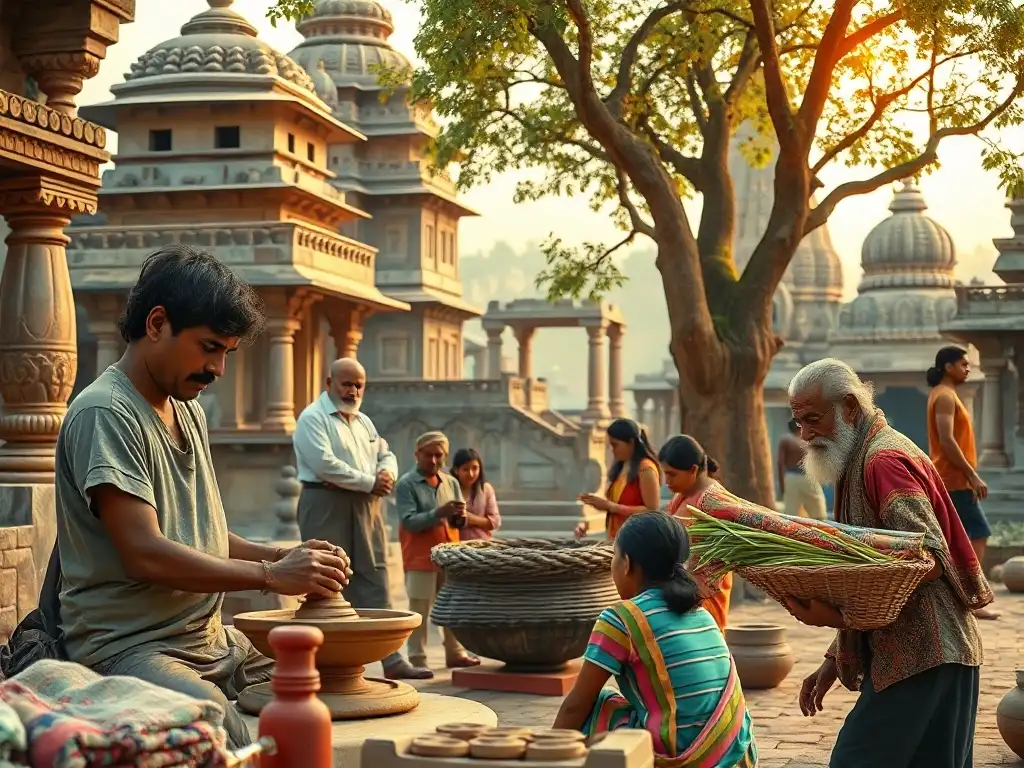
Welcome to Ancient India History, where we embark on a fascinating journey through the rich tapestry of India's ancient civilizations. Delve into the intricate world of occupations in ancient India, where the roles of kings, artisans, and farmers shaped society and contributed to a thriving culture. In our featured article, "From Kings to Commoners: The Hierarchical Occupations of Ancient Indian Society," we uncover the diverse professions that defined daily life and societal structure. Join us as we explore how these ancient practices continue to influence modern India, and prepare to be captivated by the stories that await you!
Ancient India, a land of rich cultural heritage and profound historical significance, presents a fascinating tapestry of occupations that shaped its society from the early Indus Valley civilization through the flourishing Gupta Empire. The diverse roles that individuals inhabited within this hierarchical structure reveal much about the socio-economic dynamics of the time. Occupations in ancient India were not only a means of livelihood but also reflected the social stratification and values of the period.
From the ruling elite to artisans and farmers, each group played a crucial role in sustaining the complexities of daily life and governance. This article aims to delve into the intricate framework of occupations in ancient Indian society, exploring how these roles were defined, organized, and evolved over centuries.
Ancient Indian society was characterized by a complex social hierarchy, often referred to as the caste system. This system significantly influenced the types of occupations individuals could pursue. At the top of the hierarchy were the Brahmins, who served as priests and scholars, followed by the Kshatriyas, the warrior and ruling class.
The Vaishyas, who were primarily merchants and landowners, and the Shudras, who undertook labor-intensive tasks, made up the lower tiers of the social structure. Understanding this hierarchy is essential to grasp the nature of occupations in ancient India, as it dictated not only the professional choices available to individuals but also their social status and economic opportunities.
Major Occupations in Ancient Indian Society
The occupations in ancient India can be categorized into several major groups, each contributing to the overall functioning of society. Here are some of the notable categories:
- Agricultural Workers:
- The majority of the population engaged in agriculture, cultivating staple crops such as rice, wheat, and barley.
- Farmers played a crucial role in sustaining the economy and ensuring food security.
- Artisans and Craftsmen:
- Skilled artisans contributed to the economy through the production of textiles, pottery, metal works, and jewelry.
- Their expertise was often passed down through generations, creating a rich tradition of craftsmanship.
- Merchants and Traders:
- As trade routes expanded, merchants became vital in connecting different regions and facilitating the exchange of goods.
- They often formed guilds, which helped in the organization and regulation of trade practices.
- Brahmins and Scholars:
- The intellectual elite, including philosophers, teachers, and priests, played a key role in preserving knowledge and culture.
- Their contributions to literature, science, and religious practices were fundamental to the evolution of Indian civilization.
- Warriors and Rulers:
- The Kshatriyas, comprising kings and warriors, were responsible for maintaining law and order and protecting the realm.
- Their role in governance and military expeditions was crucial during times of conflict.
The Evolution of Occupations Through Time
As Indian society evolved, so did its occupations. The rise of various empires brought with it changes in trade practices, urbanization, and the emergence of new professions.
- Indus Valley Civilization:
- Evidence of advanced urban planning and craftsmanship indicates a diverse range of occupations, likely including traders, farmers, and artisans.
- Maurya and Gupta Empires:
- The centralization of power led to the professionalization of roles within the government, creating opportunities for administrators and bureaucrats.
- Post-Gupta Era:
- The decline of centralized empires saw a resurgence in local craftsmanship and regional trade, allowing for greater diversity in occupations.
Through this exploration of the hierarchical occupations of ancient Indian society, we gain a deeper appreciation for the complexity and richness of its historical tapestry. Understanding these roles not only illuminates the daily lives of individuals but also highlights the interdependence that characterized ancient Indian civilization.
- The Social Hierarchy of Ancient India
- Major Occupations in Ancient Indian Society
- The Evolution of Occupations Through Time
Introduction to Occupations in Ancient India
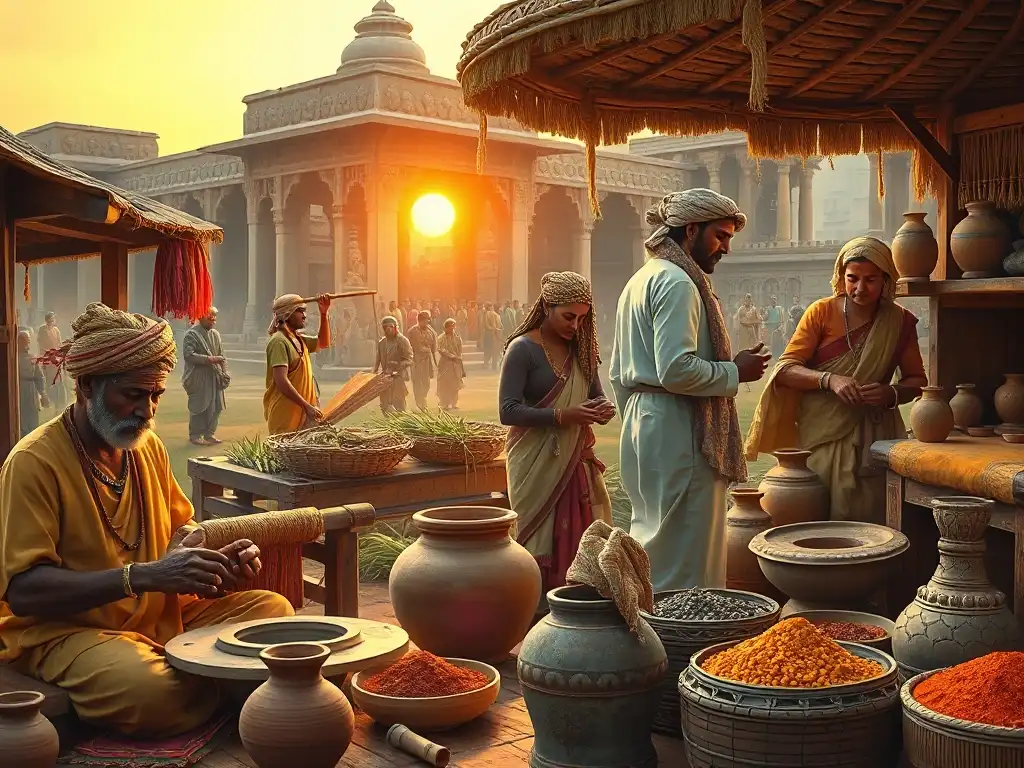
Occupations in ancient India played a pivotal role in shaping the societal structure and daily life of its civilizations. From the sophisticated urban centers of the Indus Valley to the flourishing kingdoms of the Gupta Empire, the division of labor was not only a reflection of economic needs but also a key factor in the cultural and social dynamics of the time. Understanding these occupations provides insight into the complexities of ancient Indian society and its evolution over centuries.
Overview of Ancient Indian Society
Ancient Indian society was characterized by a hierarchical structure that influenced occupations significantly. At the top of this hierarchy were the Brahmins, who were responsible for religious and educational duties. Following them were the Kshatriyas, the warrior class, tasked with protection and governance. The Vaishyas, or merchants and farmers, played a crucial role in trade and agriculture, while the Shudras, the lowest tier, primarily consisted of laborers and service providers.
The delineation of these classes often dictated the type of work individuals could pursue, resulting in a rigid but well-defined labor system. Notably, many occupations were inherited, leading to the establishment of specific jatis or sub-castes that specialized in particular trades or crafts. For example, blacksmiths, weavers, and potters formed their own communities, passing down skills through generations.
| Class | Main Occupations | Social Role |
|---|---|---|
| Brahmins | Priests, Scholars | Spiritual leaders, Educators |
| Kshatriyas | Kings, Warriors | Protectors, Administrators |
| Vaishyas | Merchants, Farmers | Economic backbone, Traders |
| Shudras | Laborers, Artisans | Service providers |
Importance of Occupations in Daily Life
Occupations in ancient India were not merely a means of livelihood; they were integral to the fabric of daily life and societal functioning. Each class contributed uniquely to the economy and culture, creating a complex interdependence among them. For instance, the agricultural output generated by the Vaishyas supported the entire society, while the religious rituals performed by the Brahmins reinforced cultural values and social norms.
Furthermore, occupations influenced the art and technology of the time. Skilled artisans produced intricate textiles, pottery, and metalwork, which not only catered to local needs but also facilitated trade with neighboring regions. This exchange of goods and ideas enriched cultural practices and technological advancements, demonstrating how occupations were intertwined with the broader historical narrative.
In addition, the significance of occupations extended to festivals and rituals, where specific trades showcased their products and skills, reinforcing community bonds. Thus, the diverse occupations of ancient India were foundational to both the economy and the cultural identity of its people, illustrating a rich tapestry of life that has left a lasting legacy on modern society.
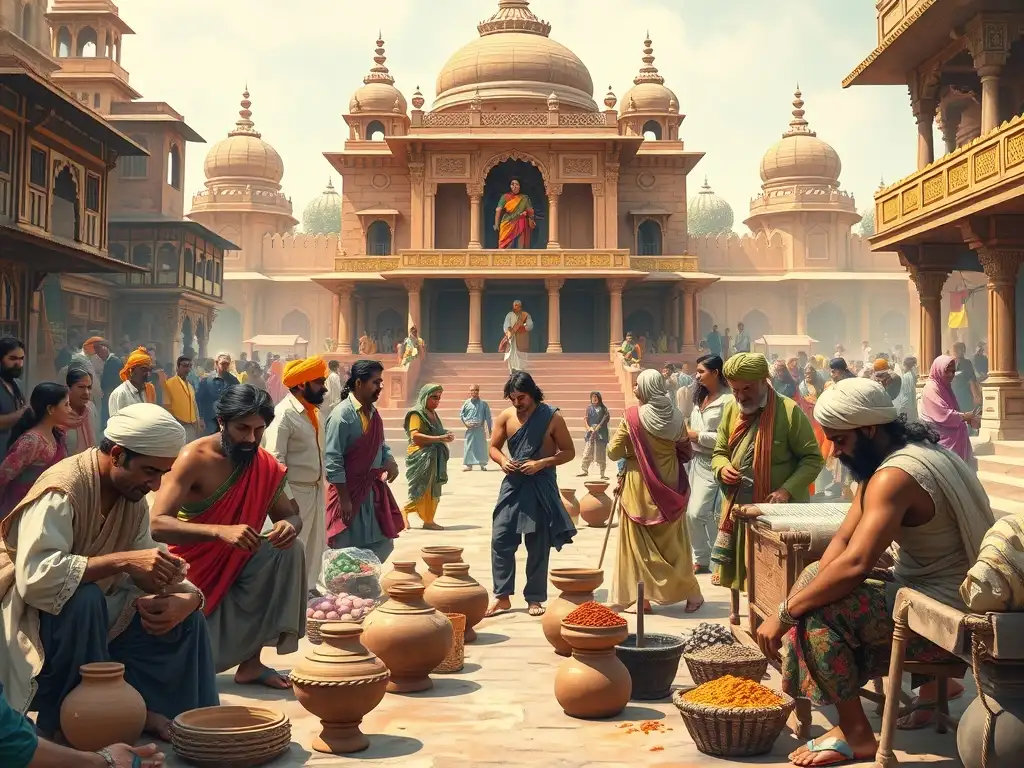
The Varna System: Understanding Caste and Occupation
The Varna system forms the backbone of ancient Indian social structure, categorizing society into four primary groups, each associated with specific occupations in ancient India. This classification, rooted in the Vedic texts, included:
- Brahmins: The priestly class, responsible for religious rituals, teaching, and maintaining sacred knowledge. Their occupation required extensive education in scriptures and philosophy, often leading to a respected status within society.
- Kshatriyas: This warrior class was entrusted with governance, military service, and protection of the realm. Kings and nobles predominantly belonged to this group, emphasizing their role in maintaining order and justice.
- Vaishyas: The merchant and agricultural class, responsible for trade, agriculture, and commerce. This group played a crucial role in economic activities, facilitating the exchange of goods and wealth within and beyond their communities.
- Shudras: Representing the laboring class, Shudras engaged in various forms of manual work, crafts, and service occupations. Their contributions were vital to the functioning of society, although they often faced social stigma.
The interactions among these groups were regulated by strict norms and customs, creating a complex social tapestry where each occupation was interdependent. The Varna system not only defined roles but also influenced the social mobility of individuals, with hereditary occupations being the norm.
Role of Kings and Rulers in Occupations
Kings and rulers were pivotal figures in ancient Indian society, directly influencing various occupations through their governance. They primarily occupied the Kshatriya Varna, with their roles extending beyond mere military leadership to include administration and justice.
- Administration: Kings appointed officials to oversee different sectors such as agriculture, trade, and taxation. This hierarchical structure ensured that economic activities operated smoothly, benefiting both the rulers and the subjects.
- Military Leadership: As the protectors of their realms, kings organized armies and engaged in warfare, which not only required skilled warriors but also led to the establishment of various related occupations, including blacksmiths (for weapon-making) and charioteers.
- Cultural Patronage: Many rulers contributed to the arts, architecture, and education, leading to the development of specialized occupations. Temples and universities flourished under royal patronage, creating jobs for artisans, scholars, and laborers.
The role of kings in promoting and regulating occupations was essential for the stability and prosperity of their kingdoms, influencing everything from agricultural production to trade routes and cultural achievements.
The Influence of Religion on Occupations
Religion played a significant role in shaping occupations in ancient India. The intertwining of spiritual beliefs with daily labor not only dictated social norms but also provided a framework for moral conduct in various professions.
- Sacred Occupations: Brahmins, as the custodians of religious knowledge, engaged in occupations that were viewed as sacred. Their work in temples and educational institutions was seen as essential for maintaining societal order and spiritual well-being.
- Ritualistic Roles: Occupations related to rituals, such as priests and temple artisans, were highly regarded. These roles were crucial for performing ceremonies and maintaining the religious fabric of society.
- Caste and Occupation: Religious beliefs often dictated the occupations assigned to different castes. For instance, certain professions were considered more 'pure' or 'impure,' leading to occupational segregation. The notion of karma and dharma influenced individuals' acceptance of their prescribed roles, reinforcing the caste system.
- Economic Contributions: Many religious festivals and rituals necessitated goods and services, creating economic opportunities for various artisans and traders. This symbiotic relationship between religion and occupation fostered a vibrant economic landscape.
The influence of religion on occupations in ancient India was profound, shaping societal norms, occupational roles, and economic activities within the hierarchical structure of the time. This complex interplay highlights the importance of understanding both cultural and economic dimensions when exploring the rich tapestry of ancient Indian society.
Major Occupations in Ancient Indian Society
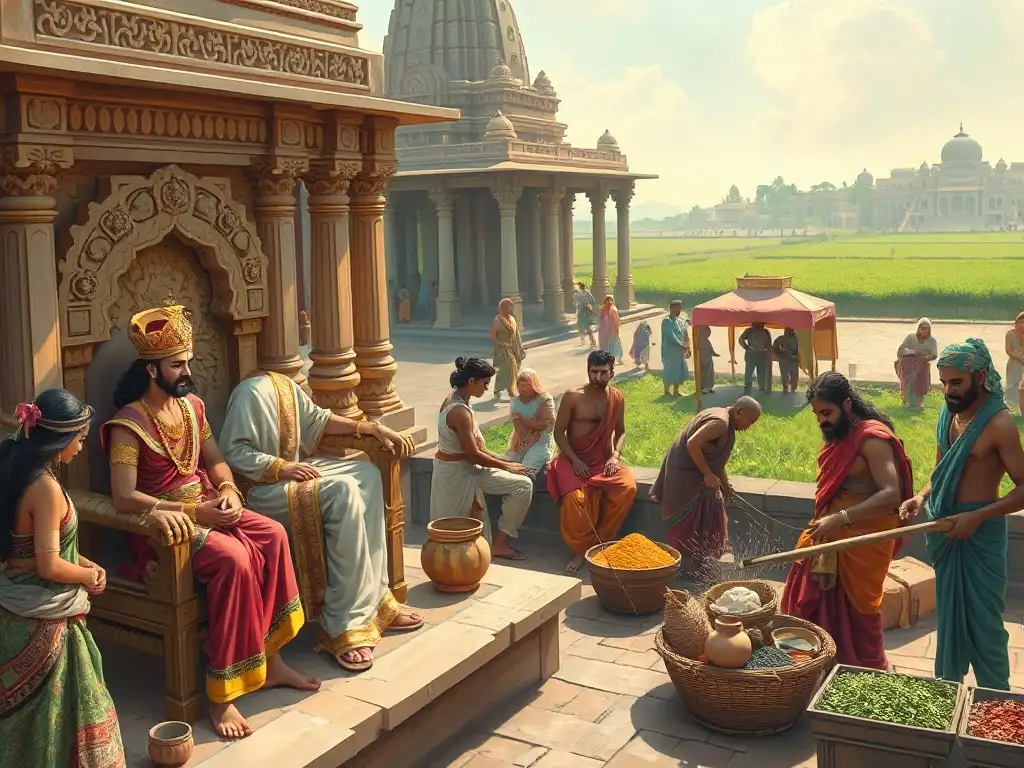
Agriculture: The Backbone of Ancient Indian Economy
Agriculture in ancient India was not merely a means of sustenance; it was the foundation upon which the entire economy rested. The agrarian lifestyle shaped social structures, religious practices, and even political power dynamics. Ancient Indian society thrived on the principles of agrarianism, with various crops being cultivated across different regions, reflecting the geographical diversity of India.
Farming Techniques and Crop Cultivation
The techniques employed in ancient Indian agriculture were diverse and innovative, adapting to the climatic conditions and soil types of different regions. Key features included:
- Irrigation Systems: Ancient Indians developed sophisticated irrigation methods, including canals, wells, and tanks, to ensure a steady water supply for crops.
- Crop Rotation: Farmers practiced crop rotation to maintain soil fertility and yield, alternating between cereals like wheat and rice and legumes to enhance nitrogen levels.
- Terracing: In hilly regions, terracing was employed to create flat land for cultivation, allowing the efficient use of space and water.
The primary crops cultivated included rice, wheat, barley, and pulses, which formed the staple diet of ancient Indians. Additionally, cash crops like cotton and sugarcane were grown, contributing to trade and economic prosperity.
Roles of Farmers in Society
Farmers held a critical position in ancient Indian society, often revered as the life-blood of the community. Their roles extended beyond mere cultivation:
- Community Leaders: Farmers often took on leadership roles within village councils, influencing decisions affecting local governance and resource management.
- Religious Figures: Agricultural festivals and rituals were integral to the spiritual life of communities, with farmers participating in ceremonies to invoke rain and fertility.
- Economic Contributors: The surplus produced by farmers supported trade networks, contributing to the wealth of both local and regional economies.
The social hierarchy placed farmers in a respectable position, though they were often subordinate to landowners and higher castes within the caste system.
Artisans and Craftsmen: Skilled Labor in Ancient India
Artisans and craftsmen played a vital role in ancient Indian society, providing essential goods and services that supported daily life and trade. Their skills contributed to the cultural richness of the civilization, intertwining functionality with artistry.
Types of Crafts and Their Importance
The variety of crafts practiced in ancient India was extensive, showcasing the creativity and ingenuity of its people. Some notable crafts included:
- Pottery: Potters used techniques like wheel-throwing to create both functional and decorative items, often adorned with intricate designs.
- Textiles: Weavers produced exquisite fabrics, such as silk and cotton, which were significant for both domestic use and trade with other civilizations.
- Metalwork: Blacksmiths and goldsmiths crafted tools, weapons, and jewelry, reflecting both practical and aesthetic values.
These crafts were not only vital for local economies but also played a role in trade with neighboring regions, facilitating cultural exchanges and economic ties.
The Guild System: Organization of Artisans
The organization of artisans into guilds was a hallmark of ancient Indian craftsmanship. These guilds operated as formal associations that regulated various aspects of artisan work:
- Training and Apprenticeship: Guilds facilitated training for young artisans, ensuring the transmission of skills and techniques from generation to generation.
- Quality Control: They maintained standards for craftsmanship, ensuring that products met the expectations of consumers and traders.
- Economic Support: Guilds provided financial assistance to members, enabling them to invest in tools and materials necessary for their trade.
The guild system fostered a sense of community and collaboration among artisans, allowing them to thrive economically while contributing to the rich cultural tapestry of ancient India.
Trade and Commerce: The Role of Merchants
In ancient India, trade and commerce were vital components of economic life, intricately woven into the fabric of society. Merchants occupied a significant position within the social hierarchy, serving as intermediaries between local producers and distant consumers. Their activities facilitated not only the exchange of goods but also the flow of ideas, culture, and innovation across regions. Merchants in ancient India were often organized into guilds, which played a crucial role in regulating trade practices, ensuring quality control, and providing mutual support among members.
Merchants specialized in various goods such as textiles, spices, metals, and more. The flourishing trade networks enabled them to connect with other civilizations, including those in the Mediterranean, the Middle East, and Southeast Asia. This interaction led to the exchange of not just material goods, but also cultural practices, beliefs, and technologies, thereby enriching the Indian cultural landscape.
Trade Routes and Economic Exchange
Ancient India was crisscrossed by extensive trade routes that facilitated economic exchange both within the subcontinent and beyond. The well-known routes included the Silk Road, which linked India with Central Asia, and the maritime routes that connected the Indian subcontinent to distant lands like Africa and Southeast Asia. These trade routes were crucial for the transportation of goods such as silk, spices, and precious stones, which were highly sought after in international markets.
The establishment of these routes was not merely for trade; they also encouraged the migration of people, ideas, and cultures. Cities such as Taxila and Pataliputra became bustling trade hubs where merchants from various backgrounds would converge, leading to a vibrant exchange of cultural and social practices. The economic exchange along these routes contributed to the prosperity of various regions, making trade a cornerstone of ancient Indian civilization.
Impact of Trade on Society and Culture
The impact of trade on ancient Indian society and culture was profound. As merchants traveled and engaged in commerce, they brought with them diverse influences that shaped local customs and traditions. This interaction contributed to a cosmopolitan culture, where ideas from different regions blended seamlessly with indigenous practices.
Trade also fostered social mobility, allowing individuals from lower strata to rise in status through successful commercial endeavors. The wealth generated by trade allowed merchants to sponsor art, literature, and religious activities, further enriching cultural life. Moreover, as trade expanded, the demand for various goods led to the specialization of labor, giving rise to a diverse range of occupations and crafts, thus solidifying the interconnectedness of society.
Religious Occupations: Priests and Their Influence
In ancient Indian society, religious occupations held a paramount position, with priests being among the most respected and influential figures. Their roles transcended mere religious duties; they were custodians of knowledge, culture, and tradition. The various rituals, ceremonies, and festivals in which they engaged were essential for maintaining the social order and ensuring harmony within communities.
Priests often belonged to specific castes that dictated their societal roles and responsibilities. They were responsible for performing rituals and sacrifices, preserving sacred texts, and educating the populace about religious practices. The authority of priests extended beyond the spiritual realm; they were also involved in administrative matters, advising kings and influencing policy decisions.
The Role of Priests in Society
The role of priests in ancient Indian society was multifaceted. They served as intermediaries between the divine and the earthly realm, performing rituals that were believed to ensure prosperity, health, and fertility. Their deep knowledge of scriptures and traditions positioned them as advisors to both the common people and rulers, granting them significant power and influence.
In addition to their spiritual responsibilities, priests played a critical role in the socio-political landscape. They participated in the administration of justice, often being called upon to mediate disputes and offer counsel to leaders. Their involvement in governance reflected the intertwining of religion and politics in ancient India, where moral and ethical guidance was derived from religious teachings.
Rituals and Economic Transactions
Rituals in ancient India were not only spiritual but also closely tied to economic transactions. Many religious ceremonies involved offerings, donations, and tributes, creating a system where economic activity was intertwined with spiritual observance. For instance, the performance of a yajna (fire sacrifice) often required the contribution of resources from the community, which in turn fostered economic cooperation among different social groups.
Furthermore, temples served as centers of economic activity, where priests managed land, collected taxes, and oversaw offerings. These institutions became significant contributors to the local economy, providing employment opportunities and facilitating trade. The economic implications of rituals underscore the importance of religious occupations in shaping the societal framework, illustrating how spirituality and economics coexisted in ancient Indian life.
The Lives of Commoners: Daily Occupations
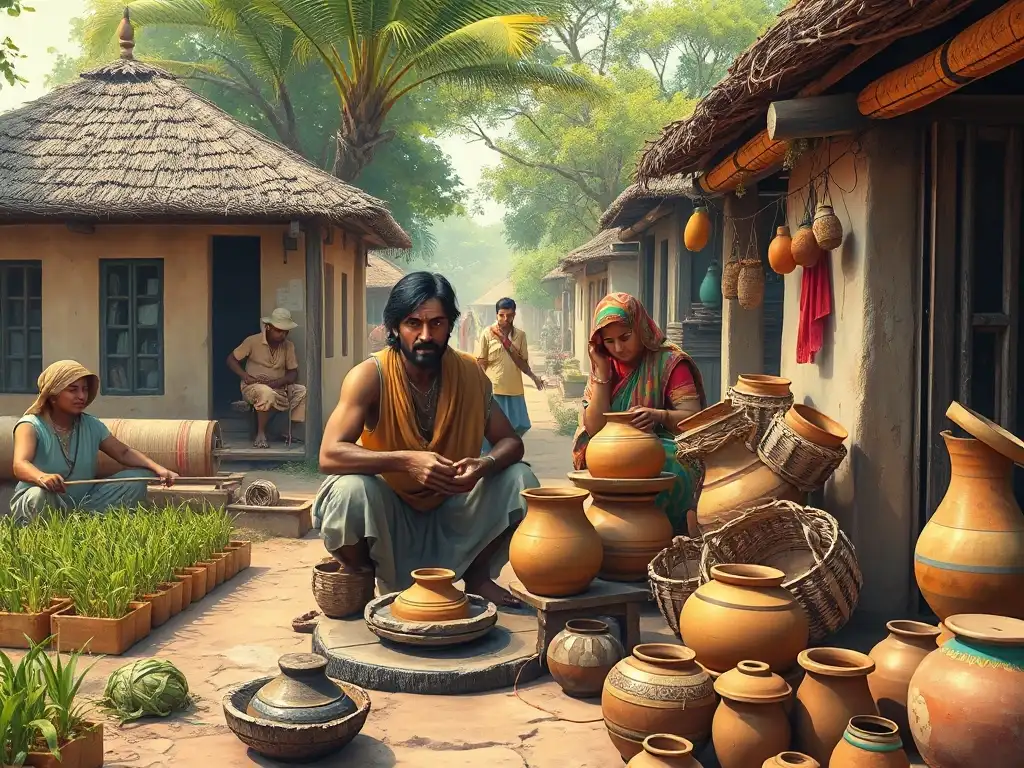
In ancient India, the lives of commoners were intricately woven into the fabric of daily occupations that sustained their families and communities. These occupations were largely determined by social status, regional customs, and economic needs. The commoners engaged in a variety of vocations, ranging from agriculture and craftsmanship to trade and services, each playing a crucial role in the overall economy of ancient Indian society.
Households and Domestic Responsibilities
Households in ancient India were typically structured around a division of labor, with specific roles assigned to family members. Men were often the primary breadwinners, engaging in agricultural activities or skilled trades, while women were responsible for domestic duties.
- Agriculture: The backbone of the ancient Indian economy, agriculture involved the cultivation of crops like rice, wheat, barley, and pulses. Commoners worked as farmers, utilizing traditional techniques to manage their fields. Seasonal labor, such as sowing and harvesting, dictated their work schedules.
- Craftsmanship: Skilled artisans contributed to the economy by creating tools, pottery, textiles, and metalwork. They often worked from home or in local workshops, passing their skills through generations. Notable crafts included weaving, pottery, and metal smithing.
- Trade and Commerce: Many commoners were engaged in trade, either as merchants or market vendors. They sold goods produced in their households or sourced from local craftsmen. Trade routes facilitated the exchange of products, leading to economic interdependence among various regions.
- Household Management: Women, while primarily focused on domestic responsibilities, also played a vital role in managing household economies. They were often involved in spinning, weaving, and food preparation, ensuring the sustenance of their families.
Gender Roles in Occupations: Men and Women at Work
In ancient Indian society, gender roles significantly influenced the types of occupations available to men and women. While men predominantly occupied public and labor-intensive roles, women had distinct yet crucial responsibilities within the domestic sphere.
- Men at Work: Men were typically involved in physically demanding jobs such as farming, carpentry, and blacksmithing. They were often the decision-makers in economic matters and held positions of authority in community affairs. For instance, village headmen or local leaders were usually men who oversaw agricultural production and maintained order.
- Women’s Contributions: Women’s roles, although often confined to the home, were essential for the survival of families. They participated in agricultural activities during planting and harvest seasons and were responsible for processing food. Additionally, women engaged in textile production, which was a significant industry in ancient India.
- Challenges of Gender Inequality: Despite their contributions, women faced limitations in accessing formal occupations and economic independence. Social norms often relegated them to subordinate roles, and their work was frequently undervalued.
Occupations in ancient India were closely tied to the caste system, which stratified society into hierarchical groups. This system dictated not only the types of jobs individuals could hold but also their social status and interactions.
- Caste and Occupation: Each caste had specific occupations associated with it, creating a division of labor. For instance, Brahmins were typically priests and scholars, Kshatriyas were warriors and rulers, Vaishyas were traders and agriculturists, and Shudras were laborers and service providers. This division reinforced social hierarchies, limiting opportunities for upward mobility.
- Social Mobility: While the caste system was rigid, occasional exceptions allowed for some mobility. Successful artisans or merchants could gain recognition and respect, potentially altering their social standing. However, such cases were rare and often met with resistance from traditionalists.
- Economic Impact: The nature of occupations not only dictated individual status but also influenced the broader economic landscape. For example, the prosperity of tradesmen could lead to the growth of towns and markets, thereby enhancing the wealth of the community as a whole.
Understanding the diverse occupations in ancient India reveals the intricate connections between daily life, social structures, and economic systems, shaping the historical narrative of commoners and their contributions to society.
The Evolution of Occupations Through Different Periods
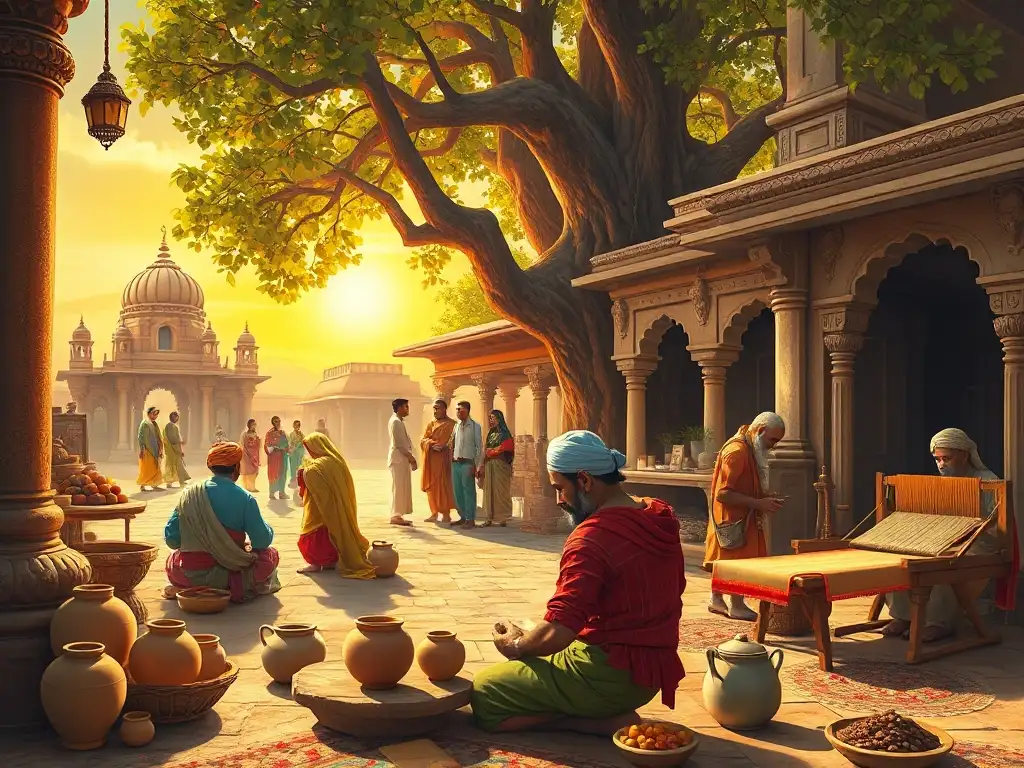
The evolution of occupations in ancient India reflects the dynamic social, economic, and cultural transformations that occurred over centuries. Each period brought about distinct hierarchies and roles that shaped the daily lives of individuals. From the agrarian societies of the Indus Valley to the more complex systems of the Gupta Empire, the occupations reveal much about the values and priorities of ancient Indian civilization.
Occupations in the Indus Valley Civilization
The Indus Valley Civilization (circa 2600–1900 BCE) is known for its advanced urban planning and sophisticated societal structure. The economy during this period was primarily based on agriculture, which was supplemented by various other occupations. Key occupations included:
- Agriculture: The fertile plains supported the cultivation of wheat, barley, and pulses. Farmers utilized irrigation techniques to enhance productivity.
- Trade: The Harappans engaged in extensive trade with neighboring regions, including Mesopotamia. Artisans produced goods such as pottery, beads, and textiles for trade.
- Craftsmanship: Skilled artisans specialized in metallurgy, pottery, and weaving. Evidence of intricate jewelry and terracotta figurines shows the advanced craftsmanship of this era.
- Construction: Workers were involved in the construction of cities, including the iconic drainage systems and brick buildings, which required a labor force skilled in masonry and engineering.
The division of labor in the Indus Valley was not rigidly hierarchical, but rather more fluid, allowing individuals to engage in multiple trades as needed.
Occupations During the Vedic Period
The Vedic Period (circa 1500–500 BCE) marked a significant transition in occupations, heavily influenced by the arrival of the Indo-Aryans. The social structure became more stratified, leading to the emergence of the varna system. Occupations during this period can be categorized as follows:
- Brahmins (Priests): Occupying the highest position in the social hierarchy, Brahmins were responsible for religious rituals, education, and maintaining sacred knowledge through oral traditions.
- Kshatriyas (Warriors and Rulers): This class was tasked with protecting the community, governing, and engaging in warfare. Their roles emphasized valor and leadership.
- Vaishyas (Merchants and Farmers): As the economy expanded, Vaishyas played a crucial role in agriculture, trade, and commerce, facilitating economic growth.
- Shudras (Laborers and Servants): This group provided essential services and labor, often working in the households of the higher varnas or in various crafts and trades.
The Vedic texts also highlight the importance of pastoralism, with occupations related to cattle rearing and dairy production becoming prominent. The emergence of guilds facilitated trade and craft specialization, contributing to a more complex economy.
The Gupta Empire: A Flourishing Era of Occupations
The Gupta Empire (circa 320–550 CE) is often regarded as a golden age of ancient India, characterized by significant advancements in arts, science, and trade. Occupations flourished during this period, reflecting a diverse and vibrant economy:
- Scholars and Scientists: The Gupta era produced notable figures such as Aryabhata and Varahamihira, who made groundbreaking contributions to mathematics and astronomy. Scholars were highly respected and often funded by royal patrons.
- Artisans and Craftsmen: The period saw a surge in artistic expression, with craftsmen producing intricate sculptures, textiles, and metalwork. Workshops and guilds became organized, enhancing production techniques.
- Traders and Merchants: Trade routes expanded significantly, both overland and maritime. Merchants engaged in extensive commerce, connecting India with distant lands like China and the Roman Empire.
- Agricultural Workers: Agriculture remained the backbone of the economy, with innovations in irrigation and crop rotation leading to increased productivity.
The Gupta Empire also witnessed the establishment of a more structured bureaucratic system, which provided various services and administration roles, further diversifying the occupation landscape.
The evolution of occupations in ancient India presents a rich tapestry of skills and roles that not only facilitated economic growth but also shaped the cultural and social fabric of society. Each period contributed uniquely to the overarching narrative of ancient Indian civilization, highlighting the adaptability and resilience of its people.
Conclusion: The Legacy of Occupations in Ancient India
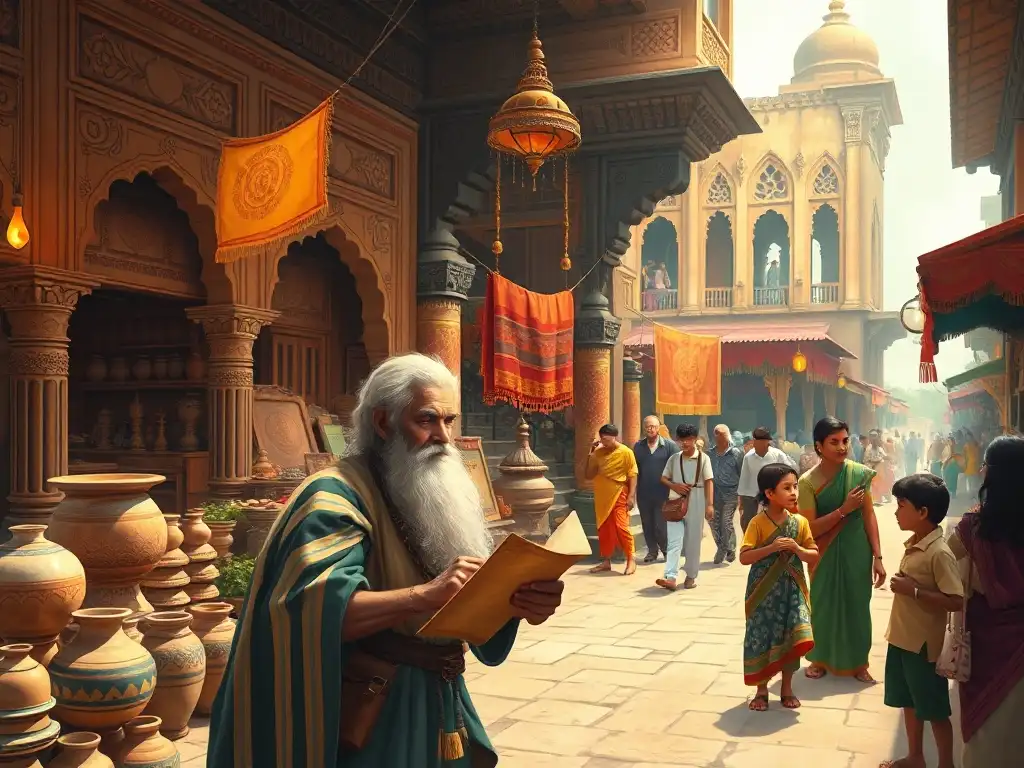
The legacy of occupations in ancient India is vast and multifaceted, deeply influencing the societal structure and cultural fabric of the region. These occupations not only catered to the needs of the society at the time but also laid the groundwork for the economic and social systems that followed. The various roles, from skilled artisans to farmers, created a complex network of interdependence that was vital for societal stability.
The stratification of occupations in ancient India established a foundation for the caste system, which dominated social interactions for centuries. Each occupation was often tied to specific communities, leading to the emergence of distinct identities that continue to resonate in modern India. While some of these ancient occupations have evolved or diminished over time, their historical significance remains evident in contemporary practices and professions.
Lasting Impacts on Modern Indian Society
The impact of ancient occupations on modern Indian society is profound, as many traditional practices and livelihoods persist. For instance, the artisan communities that thrived during ancient times have adapted their crafts to meet contemporary demands. Handicrafts, textiles, and traditional farming techniques still play a crucial role in the Indian economy, especially in rural areas.
Moreover, the concept of guilds from ancient times has evolved into modern cooperatives, where artisans and traders collaborate to sustain their livelihoods. This continuity showcases how the structures of occupation have influenced social organization and economic practices today.
The persistence of these occupations also highlights the importance of cultural heritage. Festivals, rituals, and even culinary practices often reflect the occupations of ancient times, creating a sense of identity and belonging among communities. For example, the traditional farming techniques developed during the Indus Valley Civilization can still be observed in various agricultural practices today, emphasizing a connection to the land and sustainable practices.
Reflection on the Diversity of Ancient Indian Occupations
Ancient India was characterized by a remarkable diversity of occupations, reflecting the complexity of its society. This diversity can be classified into various categories, including:
- Agricultural Occupations: Farmers played a crucial role in sustaining the population, with advanced techniques in irrigation and crop rotation.
- Artisan and Craftsmanship: Skilled artisans produced textiles, pottery, and metalwork, showcasing intricate designs and craftsmanship.
- Trade and Commerce: Merchants facilitated trade between different regions, contributing to the economic prosperity of ancient cities.
- Religious and Scholarly Roles: Priests and scholars contributed to the spiritual and intellectual life of society, preserving knowledge through oral traditions and early writings.
The coexistence of these various occupations fostered a rich cultural environment, where different communities learned from one another and collaborated for mutual benefit. This intermingling of roles not only enriched the society but also laid the groundwork for the pluralistic nature of modern India.
The occupations in ancient India were not merely a means of livelihood; they were integral to the development of social structures, cultural identities, and economic practices that continue to influence Indian society today. The legacy of these diverse occupations serves as a testament to the ingenuity and adaptability of ancient Indian civilizations.
References for Further Reading on Ancient Indian Occupations
Key Texts and Archaeological Findings
When delving into the occupations in ancient India, several key texts and archaeological findings provide invaluable insights into the labor systems and societal roles prevalent during various periods. The Vedic texts, such as the Rigveda, mention various occupations including agriculture, trade, and craftsmanship, illustrating the early economic activities of society. Additionally, the Arthashastra, attributed to Kautilya, offers detailed descriptions of different professions, economic policies, and governance, highlighting the complexity of ancient Indian occupations.
Archaeological discoveries, particularly from the Indus Valley Civilization, reveal evidence of advanced urban planning and specialized crafts. For instance, the presence of standardized weights and measures suggests a thriving trade system, while findings of pottery, bead-making, and metallurgy indicate specialized artisanship. Sites like Harappa and Mohenjo-Daro have uncovered workshops and granaries, shedding light on the occupational distribution and economic practices.
Moreover, inscriptions from the Maurya and Gupta periods, such as those found at Sarnath, provide further context on the hierarchical structures of labor, indicating the roles of various castes in society. These texts and artifacts collectively enhance our understanding of the diverse occupations that shaped ancient Indian civilization.
Recommended Academic Resources on Ancient India
For those interested in a deeper exploration of occupations in ancient India, several academic resources are highly recommended:
- "The Oxford Handbook of Ancient India" by Upinder Singh
- This comprehensive work covers various aspects of ancient Indian history, including economic structures and occupations.
- "India: A History" by John Keay
- Keay's book provides an overview of India's historical development, with insights into labor systems and occupational roles across different eras.
- "The Indus Civilization: A Contemporary Perspective" by Gregory L. Possehl
- This text examines the archaeological findings of the Indus Valley, with a focus on its economic activities and crafts.
- "The Economic History of India in the Victorian Age" by Romesh Chunder Dutt
- Although centered on a later period, Dutt's work offers a reflective analysis of historical occupational structures that have evolved from ancient times.
- Research Journals
- Journals such as the Journal of Ancient Indian History and the Indian Historical Review publish articles related to various aspects of ancient occupations and societal roles, providing peer-reviewed studies and findings.
These resources offer a rich tapestry of information for anyone keen to understand the complexities of occupations in ancient India, from scholarly texts to archaeological insights.
Frequently Asked Questions
What were the primary occupations in ancient India?
The occupations in ancient India ranged from agriculture, which was predominant, to trade, craftsmanship, and administration. Each occupation played a crucial role in the economy and society.
How did the caste system influence occupations?
The caste system established a hierarchical structure that determined people's occupations based on their social status, with certain castes associated with specific trades and crafts, ensuring societal roles were maintained.
What role did artisans and craftsmen play in ancient Indian society?
Artisans and craftsmen were vital for producing goods and contributing to the economy. They specialized in areas like pottery, weaving, and metalwork, showcasing the rich cultural heritage of ancient India.
How did trade contribute to the economy of ancient India?
Trade expanded the economy by connecting ancient India with distant regions, fostering the exchange of goods, ideas, and cultural practices. This helped in the growth of urban centers and increased wealth.
Were there any notable occupational groups in ancient India?
Yes, there were several notable occupational groups, including farmers, merchants, warriors, and scholars. Each group had a specific role that contributed to the diverse tapestry of ancient Indian civilization.
Final Reflection: The Enduring Legacy of Ancient Indian Occupations
The exploration of occupations in ancient India reveals a complex tapestry of societal roles that shaped not only the economy but also the cultural identity of the time. Today, as we navigate a world that still grapples with social hierarchies and occupational stratification, the lessons from ancient Indian society resonate profoundly. The intricate relationships between kings, commoners, and their respective roles remind us that every occupation, regardless of its status, contributes to the fabric of society. This historical perspective challenges us to reconsider our own views on work and value in the modern world.
The influence of these ancient occupations extends far beyond their time, permeating contemporary cultural and social landscapes. Understanding the historical context of these roles allows us to appreciate the evolution of labor and its impact on societal structures. As we reflect on the past, we can see echoes of these hierarchies in today's workforce, where certain professions are still revered while others remain undervalued. The true measure of a society can be found in how it treats its most vulnerable members.
This quote encapsulates the ongoing relevance of our discussion, urging us to recognize the dignity inherent in all forms of work.
As we conclude this journey through the ranks of ancient Indian society, I invite you to reflect on your own perceptions of occupations and their significance. Consider how you can honor the contributions of all workers in your life, regardless of their status. Let the lessons from the past inspire you to advocate for equality and respect in the workplace, fostering a culture that values every role. Together, we can build a future that transcends the limitations of hierarchy, celebrating the diverse tapestry of human endeavor that enriches our world.
Discover Your Place in Ancient Wisdom!
Thank you for journeying through the intricate layers of ancient Indian society with us! We hope you gained valuable insights into the diverse occupations that shaped the lives of both rulers and everyday people. Now, it’s time to apply this knowledge in your own life and further explore the rich tapestry of history.
- Dive deeper: Delve into the captivating roles and contributions of various professions in ancient times. Consider researching specific occupations that piqued your interest—perhaps the distinctive lifestyles of artisans, scholars, or farmers.
- Connect with others: Share your newfound knowledge with friends or join online communities dedicated to ancient history to engage in enriching discussions about the societal structures of the past.
- Reflect and write: Craft your own narrative or blog post about how lessons from ancient professions can inspire modern life and work, highlighting parallels that resonate with today's society.
How will the intriguing history of ancient occupations shape your perspective on contemporary roles and responsibilities?