
The Strategic Marriages of Ancient Indian Royals and Their Political Impact

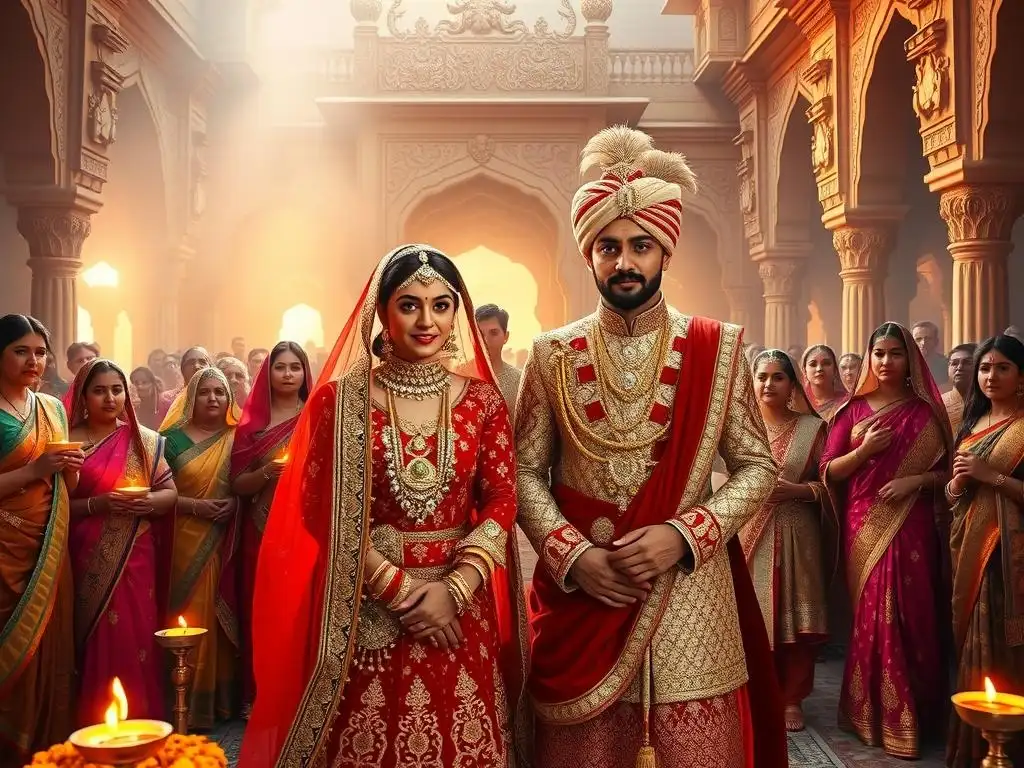
Welcome to Ancient India History, where we embark on a journey through the mesmerizing tapestry of ancient Indian civilizations! Here, we delve into the strategic marriages of ancient Indian royals—a fascinating topic that reveals how these unions shaped political landscapes and forged powerful alliances. As you explore the intricate details of royal matrimony, prepare to uncover the profound impact these relationships had on empires, cultures, and the very essence of history itself. Join us as we unravel the stories behind these pivotal moments and discover the legacies they left behind. Your adventure into the past starts now!
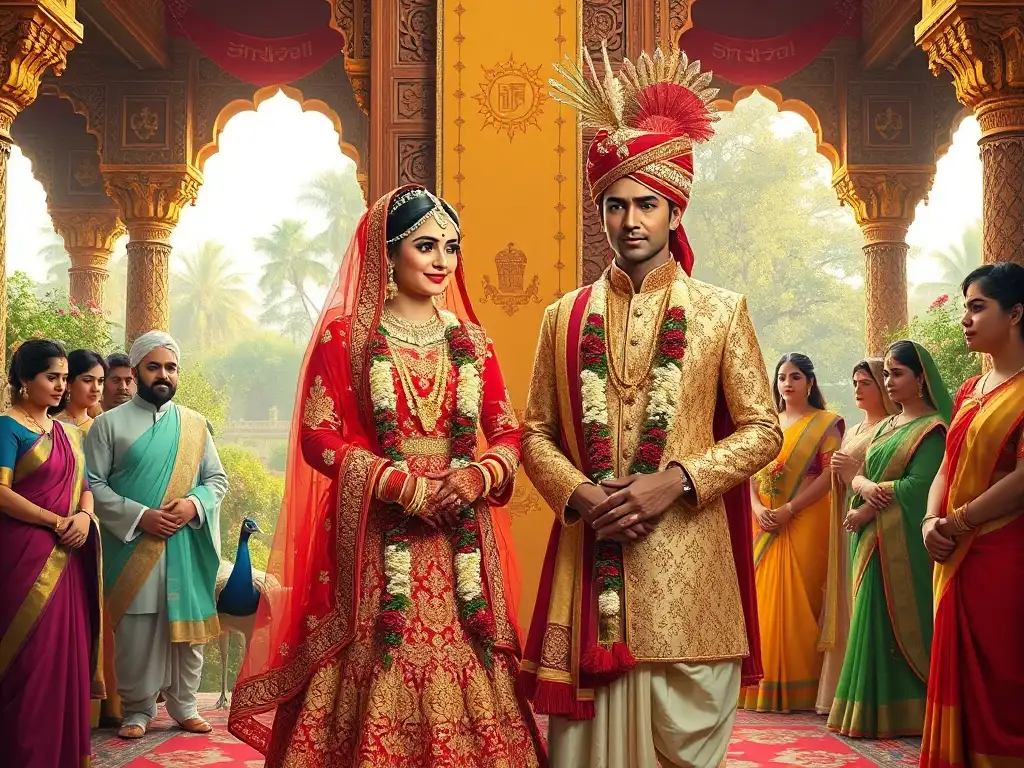
Introduction to Ancient Indian Royal Marriages
The practice of strategic marriages among ancient Indian royals played a pivotal role in shaping the political landscape of the subcontinent. These unions were not merely personal or familial; they served as essential tools for establishing alliances, securing peace, and consolidating power among the numerous dynasties that flourished throughout India's ancient history. By examining the intricate web of ancient Indian royal marriages, we can gain insights into the sociopolitical dynamics of the time, revealing how these unions influenced governance, territorial expansion, and diplomatic relations.
Definition and Importance of Royal Marriages in Ancient India
In ancient India, royal marriages were defined as strategic alliances between two ruling families or dynasties. These unions often involved significant considerations beyond personal affection, including:
- Political Alliances: Marriages were used to forge alliances between rival kingdoms, reducing conflicts and promoting cooperation.
- Territorial Expansion: Through marriage, a royal family could gain claim over additional territories, integrating them into their realm.
- Cultural Exchange: Such unions facilitated the exchange of ideas, customs, and traditions between different regions and cultures.
The importance of these marriages cannot be overstated, as they were instrumental in maintaining stability and fostering unity during periods of fragmentation and strife.
Overview of Political Alliances through Marriage
The practice of forming political alliances through marriage was prevalent across various ancient Indian kingdoms. Notable examples include:
- The Maurya Empire: The marriage alliances forged by Chandragupta Maurya with powerful local rulers helped solidify his control over vast territories.
- The Gupta Empire: Emperors like Samudragupta strategically married into influential families, enhancing diplomatic relations and expanding their influence.
These alliances often involved intricate negotiations and were celebrated with elaborate ceremonies, underscoring their significance in ancient Indian society.
Historical Context of Ancient Indian Royal Marriages
Understanding the historical context of ancient Indian royal marriages is crucial to appreciating their political impact. This section delves into the various dynasties that shaped Indian history and the key periods during which strategic marriages were most prevalent.
The Role of Dynasties in Ancient India
Ancient India was characterized by the rise and fall of numerous dynasties, each contributing to the rich tapestry of its history. Notable dynasties included:
- The Mauryas: Known for their centralized administration and military prowess.
- The Guptas: Often referred to as the "Golden Age" of India, marked by significant achievements in arts, science, and literature.
- The Cholas: Renowned for their naval power and flourishing trade networks.
Each dynasty utilized royal marriages as a means to strengthen their position, both domestically and internationally.
Key Periods of Strategic Marriages in Indian History
Several key periods in Indian history stand out for their emphasis on strategic marriages:
- The Mauryan Era (c. 322–185 BCE):
- Chandragupta Maurya's alliances strengthened his rule.
- The Gupta Period (c. 320–550 CE):
- Marriages among royal families facilitated cultural and political cohesion.
- The Medieval Period (c. 600–1526 CE):
- Rajput clans engaged in inter-dynastic marriages to forge alliances against common enemies.
These periods illustrate how royal marriages not only shaped political alliances but also influenced the cultural and social structure of ancient India.
Major Royal Marriages and Their Political Implications
Ancient Indian royal marriages were not merely personal unions but rather strategic alliances that played a crucial role in shaping the political landscape of the subcontinent. These marriages often served to strengthen ties between powerful kingdoms, consolidate power, and ensure peace through diplomacy. By marrying into other royal families, kings and queens could secure loyalty, prevent conflicts, and expand their influence. The implications of these marriages were profound, often leading to significant shifts in power dynamics, territorial expansions, and cultural interchanges.
The Marriage Alliances of the Maurya Dynasty
The Maurya Dynasty, one of the most significant empires in ancient India, utilized marriage alliances as a means to solidify their power. One of the most notable alliances was that of Chandragupta Maurya, the founder of the dynasty, who married into the royal family of the Nanda Empire. This marriage not only provided legitimacy to Chandragupta’s rule but also allowed him to gain access to resources and military support.
Another key alliance was between Emperor Ashoka and the daughter of a powerful local ruler in the region of Kalinga. This marriage was pivotal for Ashoka, as it helped him consolidate his control over Kalinga after the bloody conquest. The offspring of these unions often played crucial roles in maintaining political stability, illustrating how marriage was a vital tool in the Mauryan strategy for governance and expansion.
The Strategic Marriages in the Gupta Empire
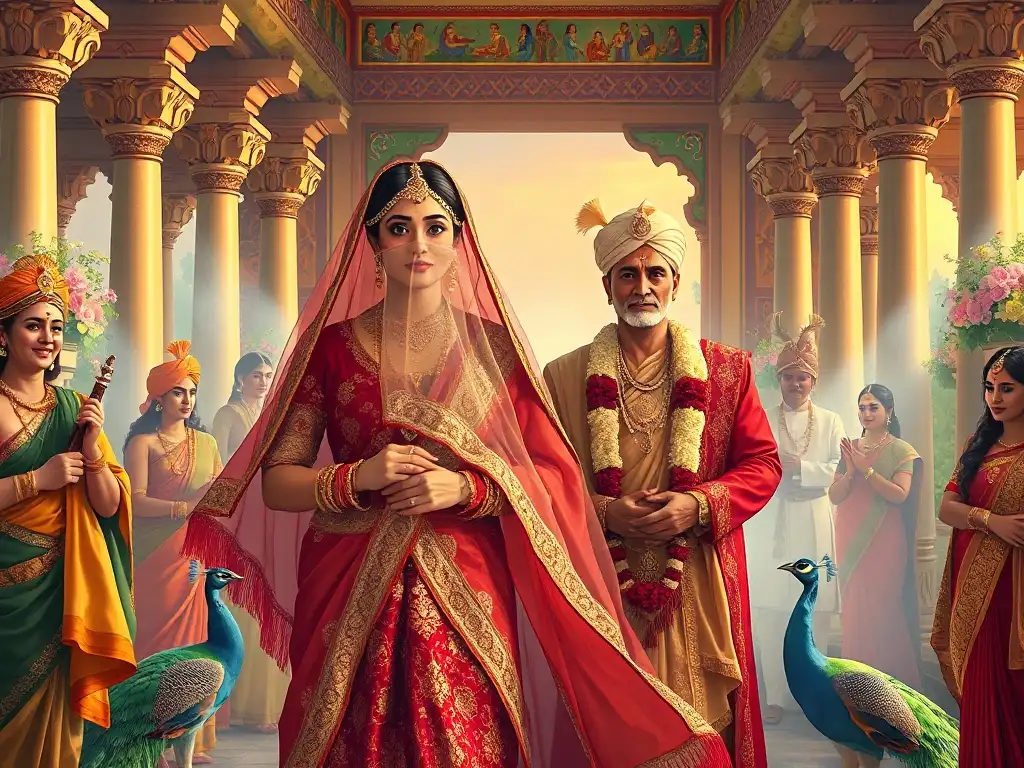
The Gupta Empire, known as the Golden Age of India, also employed strategic marriages to enhance its political stature. Chandragupta I, the first ruler of the Gupta Empire, married Licchavi princess Kumaradevi. This union marked the beginning of a series of alliances that helped the Guptas gain prestige and legitimacy, enabling them to establish a vast empire across northern India.
Moreover, the marriage of Samudragupta, often referred to as the "Napoleon of India," to various princesses from different regions further exemplified the political strategy behind royal marriages. These alliances facilitated the annexation of territories and the establishment of a strong network of loyalty among vassal states. The Gupta rulers understood that marrying into influential families not only strengthened their position but also ensured stability within their empire.
Alliances through Marriage in the Rajput Kingdoms
In the Rajput kingdoms, the practice of strategic marriages was particularly pronounced. Rajput clans often intermarried to forge alliances that would enhance their military and political power. For instance, the marriage alliances between the Kachwaha Rajputs and the Mughal Empire were pivotal in merging Rajput and Mughal interests. The marriage of Raja Man Singh to a Mughal princess exemplifies this strategic union, which solidified alliances and led to the integration of Rajputs into the Mughal administrative framework.
These marriages often had far-reaching implications for regional stability and warfare, as they created bonds of kinship that would deter conflicts and promote mutual defense. The political landscape of Rajasthan was significantly shaped by these matrimonial alliances, showcasing the importance of royal marriages in ancient Indian diplomacy.
Cultural Significance of Ancient Indian Royal Marriages
Beyond politics, royal marriages in ancient India held considerable cultural significance. They were often seen as sacred unions that embodied the ideals of dharma (duty) and karma (action), reflecting the societal values of the time. The elaborate ceremonies and rituals associated with these marriages not only highlighted the affluence of the royal families but also served as a means to promote cultural traditions and religious beliefs.
The Symbolism of Marriage in Ancient Indian Culture
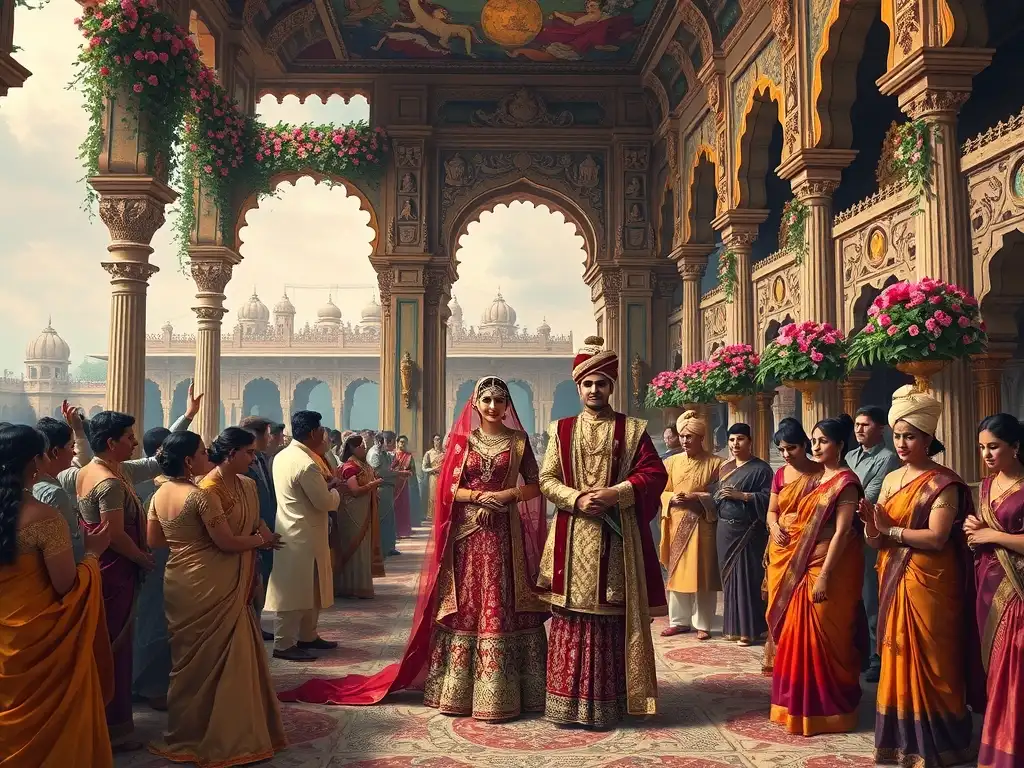
Marriage in ancient India was imbued with deep symbolism, often representing the union of not just two individuals but entire kingdoms and their respective cultures. The rituals performed during royal weddings were laden with meaning, emphasizing harmony, fertility, and the continuation of dynasties. The use of sacred fire (Agni) in ceremonies symbolized divine witness, reinforcing the spiritual dimension of these unions.
Moreover, the portrayal of marriages in ancient texts and epics, such as the Mahabharata and Ramayana, illustrates how intertwined the concept of marriage was with social and moral codes. These narratives often highlighted the sacrifices, loyalties, and virtues associated with royal marriages, further underscoring their cultural importance.
Influence on Art, Literature, and Traditions
The impact of royal marriages extended into the realms of art, literature, and traditions. Many artistic representations in sculpture and painting depict royal weddings, showcasing the grandeur and opulence associated with these events. Temples and monuments often feature intricate carvings that celebrate the unions of royal couples, reflecting the cultural admiration for these alliances.
Literature from the period frequently references royal marriages, portraying them as pivotal moments that shaped histories and destinies. The epics and poetic texts often encapsulated the essence of these unions, inspiring a rich tradition of storytelling. Additionally, the festivals and rituals associated with royal marriages contributed to the cultural tapestry of ancient India, influencing local customs and traditions that persist to this day.
Ancient Indian royal marriages were fundamental to the political, cultural, and social fabric of the time. Their strategic implications and cultural significance continue to resonate in the historical narrative of ancient Indian civilizations.
The Political Impact of Strategic Marriages
The strategic marriages of ancient Indian royals were not merely personal unions but significant political instruments that shaped the landscape of power and governance. These marriages served multiple purposes, including the strengthening of alliances, the consolidation of power, and the establishment of peace among rival factions. The intricate web of relationships formed through these unions often influenced the political climate of entire regions, leading to shifts in territorial control and governance strategies.
Strengthening Alliances and Reducing Conflicts
One of the primary objectives of royal marriages in ancient India was to forge alliances that would bolster political stability. By marrying into other royal families, kings and queens could create bonds that transcended territorial disputes and fostered cooperation. For instance, the marriage between the Gupta Emperor Chandragupta II and the daughter of the Nagas, a powerful dynasty in Eastern India, exemplified how such unions could consolidate power and create a formidable coalition against common enemies.
These marriages acted as diplomatic tools, reducing the likelihood of conflicts through shared interests and mutual dependencies. The alliances formed were often reinforced by additional marriages between families, creating a dense network of relationships that functioned to stabilize regions and prevent warfare. As a result, these strategic unions played a crucial role in maintaining harmony and fostering economic ties between different kingdoms.
Impact on Succession and Power Dynamics
Royal marriages also had profound implications for succession and power dynamics within and between dynasties. Marriages were often arranged to ensure that heirs were born into powerful bloodlines, thus securing the throne for future generations. For example, the marriage of Samudragupta, another Gupta ruler, to the daughter of a powerful local king ensured both loyalty and a claim to a significant territory, thereby enhancing his legitimacy and influence.
Moreover, the political implications of these marriages could lead to shifts in power dynamics. A queen from a powerful family could wield considerable influence over her husband and his decisions, potentially swaying policies that favored her family's interests. This interplay between marital alliances and political maneuvering often led to complex situations where power was negotiated, contested, and ultimately shaped by the relationships formed through marriage.
Case Studies of Notable Royal Marriages
Examining notable royal marriages reveals the intricate political strategies at play in ancient India. One prominent example is the marriage of Raja Bhoja of the Paramara dynasty to a princess of the Chandela dynasty. This union not only consolidated territorial control but also enhanced cultural exchanges between the two regions, leading to a flourishing of art and architecture.
Another significant case is the marriage of the Mauryan Emperor Ashoka to a Kalingan princess, which was pivotal following his conquest of Kalinga. This marriage helped to integrate the conquered region into the Mauryan Empire, fostering loyalty and reducing resentment among the local populace. Such marriages were often celebrated in inscriptions and literature, highlighting their importance in the historical narrative of power and influence.
Challenges and Controversies Surrounding Royal Marriages
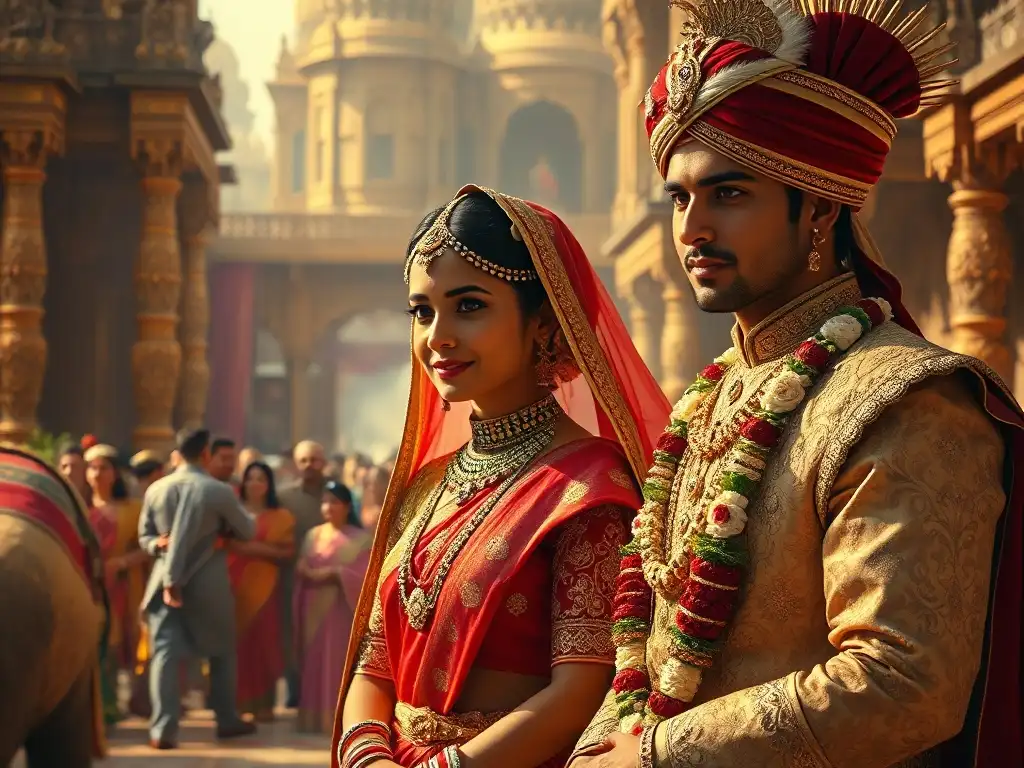
Despite their strategic advantages, royal marriages were fraught with challenges and controversies. The intertwining of personal ambitions and political agendas often led to conflicts that could destabilize entire kingdoms. Intrigues, rivalries, and power struggles were common, as different factions within royal families vied for control and influence.
Intrigues and Rivalries among Royal Families
The dynamics of royal marriages frequently stirred rivalries among families, leading to political intrigue and treachery. For instance, the rivalry between the Kakatiya dynasty and the Chola dynasty escalated due to strategic marriages that were meant to create alliances but instead fueled further conflicts. The intermarriage between these two powerful families often resulted in betrayals and shifting allegiances, which complicated their political landscape.
Additionally, the emergence of factions within royal courts could lead to plots against rulers or their spouses. The competition for favor and influence often resulted in conspiracies that could endanger the stability of a kingdom. These rivalries not only affected the personal lives of those involved but also had far-reaching implications for governance and territorial control.
The Role of Women in Political Alliances
Women played a crucial role in the formation and maintenance of political alliances through marriage. Despite often being viewed as pawns in the grand strategies of their families, many royal women wielded significant power and influence. They were often central figures in negotiations, using their status to broker peace or forge alliances.
Moreover, the political acumen of queens and princesses could directly impact the fate of their kingdoms. For example, Rani Durgavati of Gondwana, although a widow, effectively ruled and defended her kingdom against the Mughal Empire, showcasing the potential for women to influence political outcomes significantly. Their ability to navigate the complexities of court life and political negotiations highlights the importance of women in ancient Indian royal marriages, transforming them from mere political tools to active agents of change.
The strategic marriages of ancient Indian royals were complex arrangements that shaped the political landscape, fostered alliances, and influenced power dynamics. While they offered opportunities for stability and growth, they also came with challenges and intrigues that reflected the multifaceted nature of royal life in ancient India.
Conclusion: The Legacy of Ancient Indian Royal Marriages
The strategic marriages of ancient Indian royals were more than mere personal unions; they served as crucial political tools that shaped the landscape of Indian history. These marriages often forged alliances between powerful kingdoms, ensured peace, and facilitated the transfer of resources and knowledge. As a result, they played a pivotal role in the stability and prosperity of various dynasties throughout history. The legacy of these unions is still evident today, as they laid the groundwork for the intricate social, political, and cultural fabric of modern India.
Summary of Political Impact
The political impact of ancient Indian royal marriages can be seen through several key outcomes:
- Alliance Formation: Marriages between royal families often established strong alliances that deterred conflicts. For example, the marriage between the Gupta Emperor Samudragupta and the Licchavi princess helped solidify alliances that expanded Gupta influence in northern India.
- Territorial Expansion: Many royal unions facilitated the acquisition of new territories. Marriages often included the promise of military support, leading to territorial conquests and the establishment of new kingdoms.
- Cultural Exchange: These marriages promoted cultural exchange, blending traditions, languages, and religions across regions. The intermarriage between Rajput clans and Mughal emperors is a prime example of how such unions enriched the cultural diversity of India.
- Stability and Succession: Strategic marriages were instrumental in ensuring stable succession lines, thus maintaining continuity within ruling families. Ensuring heirs were born from such unions helped avoid power struggles that could destabilize a kingdom.
The intricate web of alliances formed through these marriages not only shaped individual dynasties but also had a profound impact on the political landscape of ancient India.
Lasting Influence on Modern Indian Society
The influence of ancient Indian royal marriages extends beyond historical significance; it resonates within modern Indian society in various ways:
- Cultural Heritage: The rich tapestry of customs, traditions, and festivals in India has roots in the cultural exchanges that occurred through royal marriages. Many of these customs continue to be celebrated today, reflecting the diversity that these unions fostered.
- Social Structures: The practice of arranged marriages in contemporary India can be traced back to the strategic alliances of ancient times, where familial ties and social status played crucial roles. This practice remains prevalent in many communities, highlighting a continuity of tradition.
- Political Alliances: Even in modern politics, the notion of strategic alliances through marriage persists, albeit in different forms. Political families often marry into other influential families to strengthen their positions, mirroring the ancient practices of royal unions.
Thus, the legacy of these marriages is not just a relic of the past but a living influence that continues to shape societal norms and political dynamics in India.
References and Further Reading on Ancient Indian Royal Marriages
Recommended Books and Articles on the Topic
- "The History of Ancient India" by R. C. Majumdar - This comprehensive work offers insights into the political strategies, including marriage alliances, that shaped ancient Indian kingdoms.
- "Royal Marriages: The Politics of Alliance in Ancient India" by R. K. Sharma: - An in-depth analysis of how royal marriages influenced power dynamics in various empires.
- "Women in Ancient India" by V. K. Joshi - A detailed exploration of the roles women played in royal marriages and their impact on political structures.
Online Resources for Further Exploration
- Digital Library of India: A treasure trove of historical texts and documents related to ancient Indian history, including royal marriages.
- Ancient India Archive: An online repository of articles and research papers focusing on ancient Indian civilizations and their political practices.
- The Indian Historical Review: A journal that publishes research articles on various aspects of Indian history, including the significance of royal marriages in shaping political landscapes.
By exploring these resources, readers can gain deeper insights into the fascinating world of ancient Indian royal marriages and their enduring impact on society and politics.
- Introduction to Ancient Indian Royal Marriages
- Historical Context of Ancient Indian Royal Marriages
- Major Royal Marriages and Their Political Implications
- The Marriage Alliances of the Maurya Dynasty
- The Strategic Marriages in the Gupta Empire
- Alliances through Marriage in the Rajput Kingdoms
- Cultural Significance of Ancient Indian Royal Marriages
- The Symbolism of Marriage in Ancient Indian Culture
- Influence on Art, Literature, and Traditions
- The Political Impact of Strategic Marriages
- Challenges and Controversies Surrounding Royal Marriages
- Conclusion: The Legacy of Ancient Indian Royal Marriages
- References and Further Reading on Ancient Indian Royal Marriages
- What were the main purposes of ancient Indian royal marriages?
- How did royal marriages influence political dynamics in ancient India?
- Were there any specific customs associated with royal marriages in ancient India?
- Can you name some notable royal marriages in ancient Indian history?
- How did the practice of royal marriages evolve over time in ancient India?
Frequently Asked Questions
What were the main purposes of ancient Indian royal marriages?
Royal marriages in ancient India primarily served to forge alliances, consolidate power, and ensure political stability among different kingdoms.
How did royal marriages influence political dynamics in ancient India?
These marriages often resulted in strategic partnerships that could deter wars, enhance trade, and create mutual defense pacts between kingdoms.
Were there any specific customs associated with royal marriages in ancient India?
Yes, customs such as elaborate ceremonies, dowries, and the involvement of astrology played significant roles in royal marriages, often reflecting the societal norms of the time.
Can you name some notable royal marriages in ancient Indian history?
Noteworthy marriages include those between Mughal emperors and local princesses, which established political alliances and cultural exchanges, significantly impacting Indian history.
How did the practice of royal marriages evolve over time in ancient India?
The practice evolved from primarily political unions to increasingly incorporate romantic elements, especially during the Gupta Empire, reflecting changes in societal values and norms.
Final Reflection: The Enduring Legacy of Ancient Indian Royal Marriages
The strategic marriages of ancient Indian royals were not merely personal unions; they were powerful political tools that shaped the course of history. Today, as we navigate a world still influenced by alliances and diplomacy, the lessons from these royal unions resonate profoundly. The intricate web of relationships forged through marriage among ancient Indian dynasties reminds us that personal connections often have far-reaching implications, influencing not just families but entire nations.
The cultural and social landscape of India has been indelibly marked by these royal marriages, which served as bridges between diverse kingdoms and communities. The alliances formed through these unions often led to peace treaties, economic collaborations, and cultural exchanges that enriched the subcontinent. As historian R. C. Majumdar eloquently stated, The history of India is a history of the intermingling of races and cultures, and royal marriages were the threads that wove this intricate tapestry.
This observation underscores the importance of understanding how these alliances shaped societal norms and values, creating a legacy that continues to influence contemporary India.
As we reflect on the significance of ancient Indian royal marriages, let us consider how we can apply these lessons of alliance and diplomacy in our own lives. Think about the relationships you cultivate—whether personal or professional—and how they can lead to collaboration and understanding across different spheres. In a world that often feels divided, embracing the spirit of connection and cooperation can foster a more harmonious future. Let us honor the legacy of our ancestors by building bridges, nurturing alliances, and recognizing the power of unity in diversity.
Unveil the Power of Strategic Alliances Today!
Thank you for diving into the fascinating world of ancient Indian royal marriages! We hope you enjoyed uncovering how these alliances shaped political landscapes. Now, let's take the insights you've gained and **transform them into action**.
Here are some steps you can take to explore this captivating subject further:
- Dive into your own research: Select a royal family from ancient India and investigate how their marriages influenced their power dynamics and territorial control.
- Join the conversation: Share this article with friends or on social media to spark a discussion about the significance of political alliances throughout history.
- Explore related topics: Browse our extensive collection of articles on Ancient Indian history to deepen your understanding and connect with a like-minded community!
Which strategic alliance in ancient history do you find most intriguing, and why? Let's discuss in the comments below!