
Ancient Indian Civilizations
Explore Ancient Indian Civilizations 🏛️ and uncover the remarkable history, culture, innovations, and achievements that shaped ancient India. From the sophisticated Indus Valley cities to the influential Maurya and Gupta Empires, discover groundbreaking advances in science, mathematics, governance, art, architecture, technology, and daily life. 📜 Gain deeper insight into India’s enduring heritage and the civilizations whose contributions continue to inspire the world.
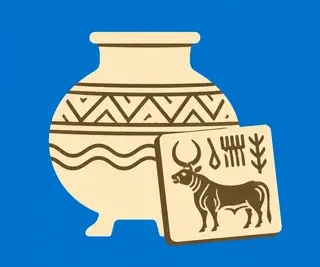 Indus Valley Civilization - Technology and Science
 Gupta Empire - Art and Culture
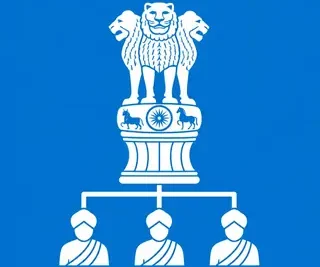 Maurya Empire - Political Structure
 Maurya Empire - Administration and Governance
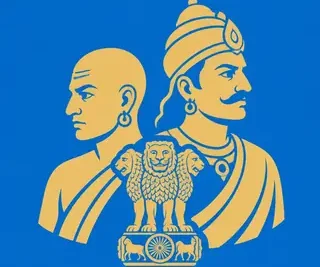 Maurya Empire - Key Figures
 Indus Valley Civilization - Art and Architecture
 Indus Valley Civilization - Origins and Evolution
 Indus Valley Civilization - Daily Life and Society
 Gupta Empire - Golden Age Contributions
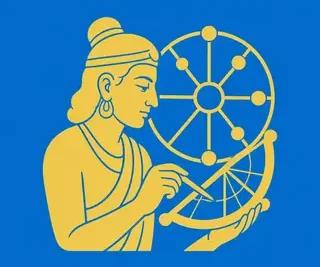 Gupta Empire - Science and Mathematics
Explore the remarkable world of Ancient Indian Civilizations, a vast historical landscape shaped by innovation, cultural exchange, powerful empires, and enduring intellectual traditions. From the planned cities of the Indus Valley Civilization to the political achievements of the Maurya Empire and the scholarly brilliance of the Gupta Empire, this category reveals how ancient India influenced science, mathematics, governance, art, architecture, trade, and daily life.
Through carefully researched articles, readers can discover the origins and evolution of early Indian societies, examine archaeological evidence, and understand the contributions that made ancient India one of the world’s great centers of civilization. Learn about urban planning, metallurgy, literature, astronomy, religion, administration, and artistic expression while exploring the historical development of South Asia.
Whether you are a student, history enthusiast, researcher, or curious reader, Ancient India History offers accessible and informative insights into the people, institutions, technologies, and ideas that shaped Indian history. Use these subcategories to find detailed information about Indus Valley culture, Mauryan administration, and Gupta-era achievements.
🔬 Gupta Empire - Science and Mathematics
This subcategory examines the major achievements of Gupta Empire science and mathematics. Readers can explore the development of astronomy, numerical systems, geometry, medicine, metallurgy, and mathematical reasoning during a period often associated with major intellectual progress in ancient India.
Articles highlight influential scholars, scientific concepts, and the historical importance of developments such as the decimal system and advanced astronomical calculations. Discover how Gupta-era knowledge contributed to the wider history of Indian mathematics, astronomy, and scientific thought.
🌟 Gupta Empire - Golden Age Contributions
Learn why the Gupta period is frequently described as a golden age of ancient India. This section explores contributions to education, literature, philosophy, science, religion, economics, and political culture, showing how the empire encouraged creativity and learning.
Readers can expect balanced discussions of the Gupta Empire’s achievements and historical influence. Explore the growth of Sanskrit literature, advancements in scholarship, flourishing trade, and the cultural traditions that continued to shape Indian civilization long after the Gupta rulers.
🏘️ Indus Valley Civilization - Daily Life and Society
Discover the everyday experiences of people in the Indus Valley Civilization, including housing, clothing, food, occupations, family life, trade, and religious practices. Archaeological evidence from sites such as Harappa and Mohenjo-daro provides valuable clues about this ancient urban society.
This subcategory explains how social organization, craft production, farming, and long-distance commerce supported one of the earliest cities in South Asia. Readers will gain a clearer understanding of Indus Valley society, culture, customs, and community life.
🌍 Indus Valley Civilization - Origins and Evolution
Explore the origins, expansion, and transformation of the Indus Valley Civilization, one of the world’s earliest urban cultures. Articles trace its development from early farming communities to sophisticated cities with organized streets, drainage systems, craft centers, and regional trade networks.
Readers can examine archaeological discoveries, settlement patterns, environmental factors, and theories about the civilization’s transformation. This section provides essential context for understanding the rise, regional diversity, and evolution of Harappan civilization.
🏛️ Indus Valley Civilization - Art and Architecture
This section focuses on the distinctive art and architecture of the Indus Valley Civilization. Explore carefully planned cities, brick construction, public baths, drainage networks, seals, pottery, sculptures, ornaments, and other forms of artistic expression.
Articles explain what these discoveries reveal about Harappan craftsmanship, religious symbolism, social identity, and urban planning. Learn how Indus Valley architecture and visual culture demonstrate advanced engineering skills and a sophisticated understanding of design.
👑 Maurya Empire - Key Figures
Meet the influential leaders and thinkers who shaped the Maurya Empire. This subcategory covers figures such as Chandragupta Maurya, Bindusara, Ashoka, and Chanakya, examining their roles in state formation, military expansion, diplomacy, and administration.
Readers will discover how these individuals influenced ancient Indian politics and society. Special attention is given to Ashoka’s transformation, Buddhist patronage, inscriptions, and the lasting legacy of Mauryan leadership in Indian history and political thought.
⚖️ Maurya Empire - Administration and Governance
Explore the administrative systems that enabled the Maurya Empire to govern a vast and diverse territory. Topics include taxation, provincial administration, law enforcement, espionage, economic regulation, public works, and the responsibilities of royal officials.
This section draws on historical sources and inscriptions to explain how Mauryan governance functioned in practice. Readers can understand the importance of centralized authority, bureaucratic organization, and ethical rulership in the development of one of ancient India’s strongest empires.
🏰 Maurya Empire - Political Structure
This subcategory examines the political structure of the Maurya Empire, including the role of the emperor, royal court, councils, provinces, local authorities, and military institutions. It explains how political power was organized across the empire.
Learn how Mauryan rulers balanced central control with regional administration and strategic alliances. Articles also explore the relationship between military strength, economic resources, diplomatic policy, and imperial expansion in ancient Indian governance.
🎭 Gupta Empire - Art and Culture
Discover the richness of Gupta Empire art and culture, including sculpture, temple architecture, painting, literature, music, religious traditions, and Sanskrit learning. The Gupta period produced artistic styles that influenced later Indian cultural development.
Readers can explore the relationship between religion, royal patronage, artistic innovation, and social life. From elegant sculpture to classical literature, this section reveals why Gupta culture remains central to the study of ancient Indian civilization and heritage.
⚙️ Indus Valley Civilization - Technology and Science
Investigate the impressive technology and science of the Indus Valley Civilization. Topics include urban drainage, standardized weights and measures, metallurgy, pottery production, water management, construction techniques, agriculture, and maritime trade.
These innovations demonstrate the practical knowledge and engineering capabilities of Harappan communities. Readers will learn how technology supported public health, economic exchange, urban growth, and daily life in one of the earliest complex civilizations.
❓ Frequently Asked Questions About Ancient Indian Civilizations
What are the main ancient Indian civilizations covered in this category?
The category primarily covers the Indus Valley Civilization, Maurya Empire, and Gupta Empire. Together, these subjects reveal the development of early urban culture, imperial administration, scientific knowledge, art, religion, and political institutions in ancient India.
Why is the Indus Valley Civilization historically important?
The Indus Valley Civilization is important because it developed highly organized cities, advanced drainage systems, standardized weights, skilled crafts, and extensive trade networks. Its urban planning and technology demonstrate the complexity of early South Asian civilization.
Why is the Gupta Empire called a golden age?
The Gupta period is often called a golden age because of its achievements in science, mathematics, astronomy, literature, art, architecture, and education. Although the term can simplify a complex historical period, Gupta rule clearly supported important intellectual and cultural developments.
What made Mauryan administration effective?
Mauryan administration combined centralized imperial authority with provincial and local organization. Taxation, officials, military institutions, infrastructure, intelligence networks, and written policies helped the empire manage a large and diverse population.
What can archaeology tell us about ancient India?
Archaeology provides evidence about settlement patterns, architecture, tools, pottery, art, food, trade, technology, and social practices. When combined with inscriptions and literary sources, archaeological research helps historians build a more complete understanding of ancient Indian civilizations.