
Maurya Empire - Key Figures
Maurya Empire - Key Figures
63 articles in this topic
Read more about this topic
Discover the influential leaders who shaped the Maurya Empire, one of ancient India’s most powerful civilizations. Explore the lives, achievements, policies, and legacies of key figures such as Chandragupta Maurya, Bindusara, and Emperor Ashoka, whose contributions transformed Indian history, governance, warfare, and Buddhist culture. 🏛️📜
More in Maurya Empire - Key Figures
Maurya Empire - Key Figures
The Importance of Trade Routes in the Maurya Empire: Key Traders and Figures
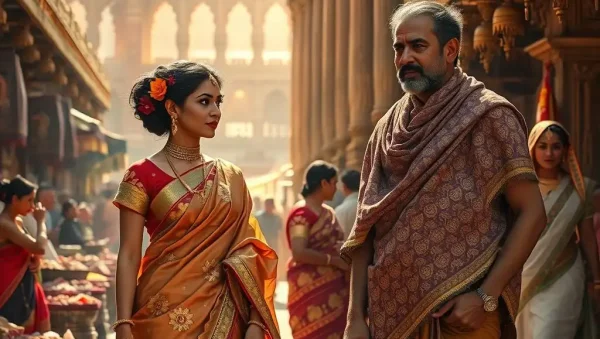
Maurya Empire - Key Figures
The Impact of the Maurya Empire on Indian Fashion: Key Influencers
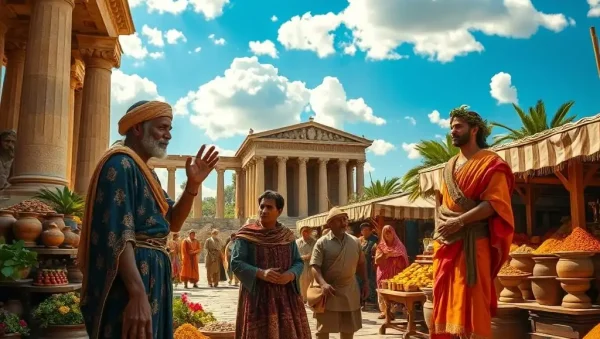
Maurya Empire - Key Figures
The Cultural Exchange Between the Maurya Empire and Hellenistic Greece
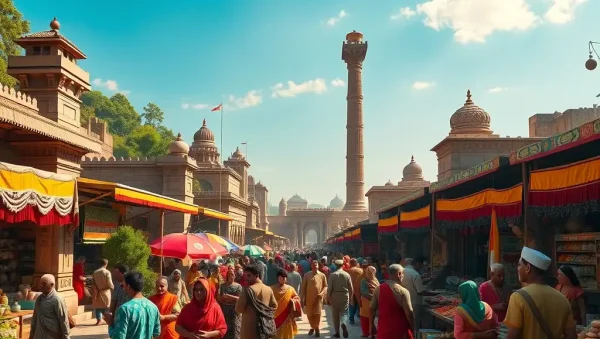
Maurya Empire - Key Figures
The Maurya Empire and Its Role in Shaping Indian Identity
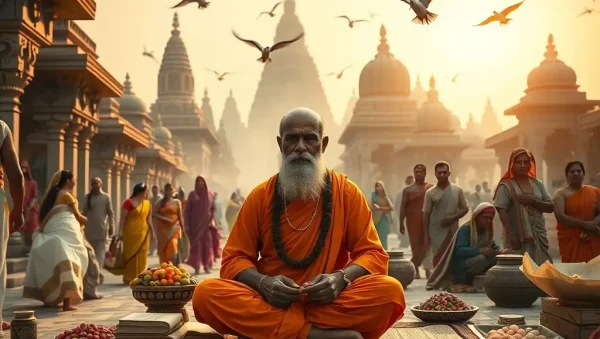
Maurya Empire - Key Figures
The Role of Religion in the Maurya Empire: Influential Figures and Their Impact
Maurya Empire - Key Figures
The Diplomacy of the Maurya Empire: Key Figures Who Shaped Foreign Relations
Maurya Empire - Key Figures
The Role of the Maurya Empire in Spreading Indian Culture Globally
Maurya Empire - Key Figures
The Role of Spies in the Maurya Empire: Key Figures in Intelligence
🏛️ Maurya Empire – Key Figures: Leaders Who Shaped Ancient India
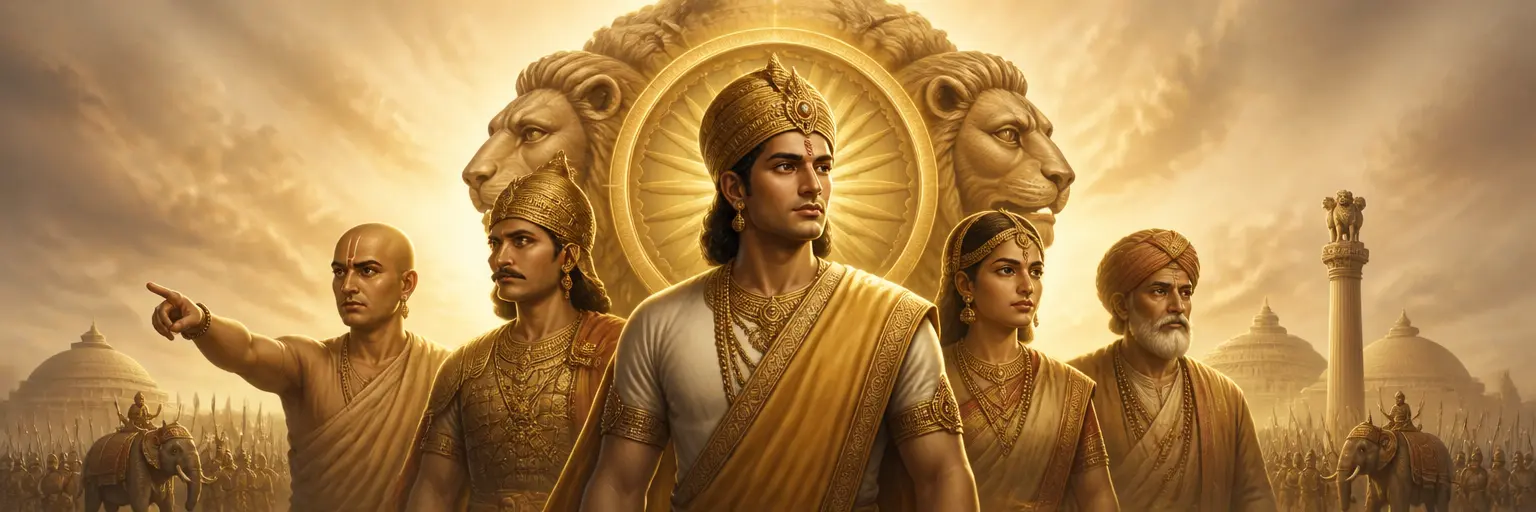
Explore the influential rulers, advisers, generals, scholars, and spiritual figures who defined the Maurya Empire, one of the most powerful ancient Indian civilizations. This subcategory examines the lives, achievements, policies, and lasting legacies of personalities such as Chandragupta Maurya, Chanakya, Bindusara, and Emperor Ashoka. Discover how their leadership transformed the Indian subcontinent through imperial expansion, political strategy, administration, diplomacy, economic development, Buddhism, and the spread of Dhamma.
👑 Chandragupta Maurya: Founder of the Mauryan Empire
Learn how Chandragupta Maurya established the first major empire to unite large parts of the Indian subcontinent. Articles in this section explore his rise to power, the overthrow of the Nanda dynasty, the foundation of the Mauryan state, and his conflicts and agreements with Seleucus I Nicator.
Readers can also discover Chandragupta’s administrative achievements, military organization, taxation system, and imperial governance. Historical accounts, archaeological evidence, and later Jain and Greek traditions help explain the importance of this founder of the Maurya Empire in ancient Indian history.
🧠 Chanakya: Strategist, Adviser, and Political Thinker
Discover the remarkable career of Chanakya, also known as Kautilya or Vishnugupta, who is traditionally regarded as Chandragupta Maurya’s adviser and mentor. This section examines his role in the creation of the Mauryan Empire and his influence on early Indian statecraft.
Explore the Arthashastra, a significant work associated with Chanakya that discusses diplomacy, espionage, economics, law, warfare, and administration. Readers will gain insight into the political philosophy and practical strategies that shaped Mauryan governance and influenced the history of ancient India.
⚔️ Bindusara: The Mauryan Emperor Between Two Great Reigns
Learn about Bindusara, the second Mauryan emperor and son of Chandragupta Maurya. Although often overshadowed by his father and son, Bindusara played an important role in maintaining imperial stability and expanding Mauryan influence across the Indian subcontinent.
This section explores Bindusara’s succession, military campaigns, relations with foreign powers, and administration of the growing empire. It also considers historical references from Greek sources and explains how his reign prepared the Mauryan state for the transformation associated with Ashoka.
🕊️ Emperor Ashoka: From Conqueror to Advocate of Dhamma
Examine the life of Emperor Ashoka, the most internationally recognized ruler of the Maurya Empire. Articles cover his accession, the devastating Kalinga War, his embrace of Buddhism, and the development of Dhamma as a moral and social policy.
Readers can explore Ashoka’s rock edicts, pillar inscriptions, public welfare programs, religious tolerance, and support for Buddhist missions. His reign provides valuable evidence about Mauryan administration, ancient Indian political ethics, and the spread of Buddhism across South Asia and beyond.
📜 Mauryan Officials, Generals, and Influential Personalities
The Maurya Empire depended on more than its emperors. Discover the administrators, military commanders, provincial governors, diplomats, monks, and other figures who helped manage one of the largest states in ancient Indian history.
This content highlights the roles of the imperial court, local officials, intelligence networks, and military institutions. By studying these figures, readers can better understand how Mauryan governance, communication, taxation, defense, and cultural exchange operated across a vast and diverse empire.
🌏 Women, Families, and Succession in the Maurya Dynasty
Explore the royal families, dynastic relationships, marriages, and succession disputes that influenced Mauryan politics. This section places the emperors within the wider context of family alliances, court culture, regional power, and the challenges of inheriting a large empire.
Readers will also encounter historical traditions concerning women connected with the Mauryan court and the religious communities supported by royal patrons. These perspectives offer a broader understanding of Mauryan society and the people behind the empire’s political history.
❓ Frequently Asked Questions About Maurya Empire Key Figures
Who founded the Maurya Empire?
Chandragupta Maurya founded the Maurya Empire around the late fourth century BCE. With the guidance of Chanakya, he defeated the Nanda dynasty and established a powerful centralized state in northern India.
Who was the most famous Mauryan emperor?
Emperor Ashoka is generally considered the most famous Mauryan emperor. He is remembered for his transformation after the Kalinga War, his promotion of Dhamma, his support for Buddhism, and his rock and pillar edicts.
What was Chanakya’s role in the Maurya Empire?
Chanakya was traditionally described as Chandragupta Maurya’s adviser, teacher, and chief strategist. He is also associated with the Arthashastra, a major text on politics, economics, administration, diplomacy, and warfare.
How did Bindusara contribute to the Mauryan Empire?
Bindusara preserved the empire created by Chandragupta and is believed to have expanded Mauryan influence toward southern India. His reign provided continuity between the foundations of the empire and Ashoka’s later rule.
Why are Mauryan key figures important in ancient Indian history?
Mauryan leaders and advisers shaped imperial administration, military organization, diplomacy, religious policy, economic systems, and cultural exchange. Studying them helps explain the development of early Indian state formation and the lasting influence of the Maurya Empire.