
The Evolution of Kingship: How Leadership Styles Changed Over Centuries

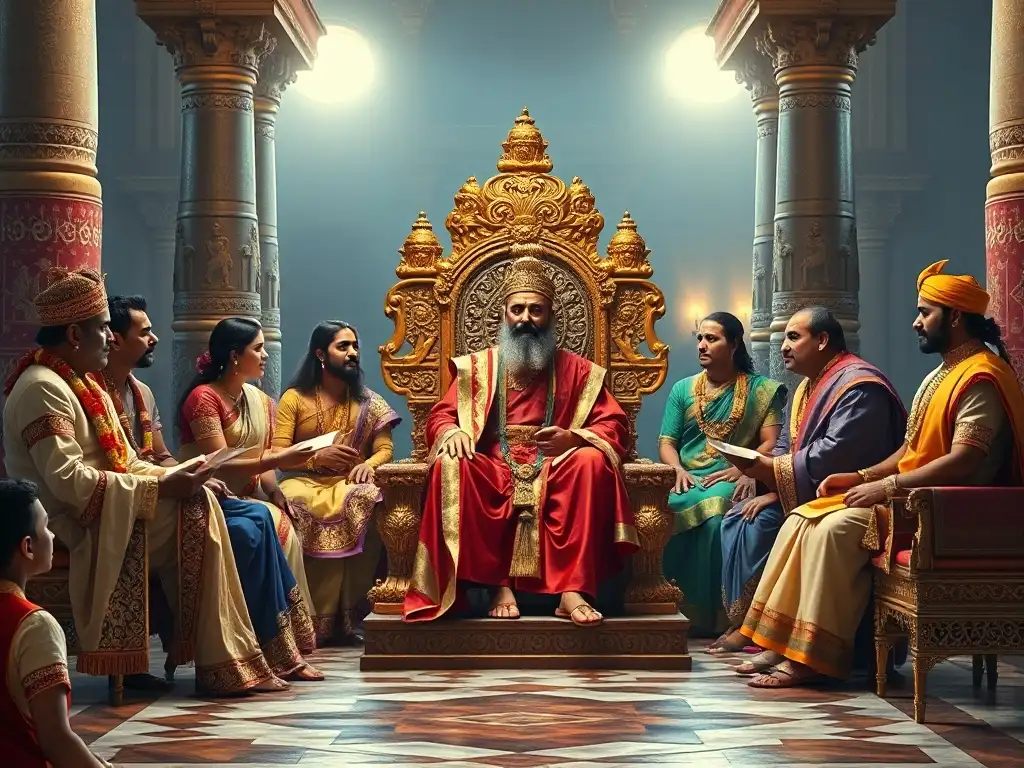
Welcome to Ancient India History, where we delve into the rich tapestry of India's past, unveiling the remarkable civilizations that have shaped its identity. In our featured article, "The Evolution of Kingship: How Leadership Styles Changed Over Centuries," we explore the fascinating world of ancient Indian leadership styles. Discover how these influential figures navigated the complexities of power and governance, leaving a legacy that resonates through the ages. Prepare to embark on a journey that not only informs but also ignites your curiosity about the vibrant history of ancient India!
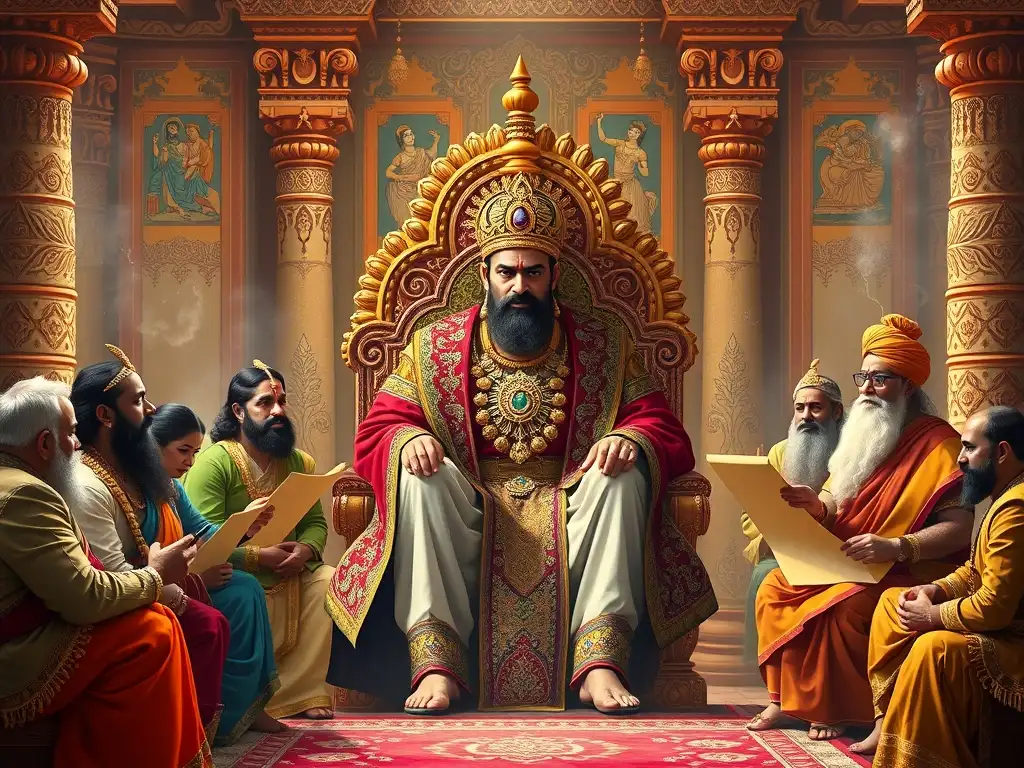
Introduction to Ancient Indian Leadership Styles
The history of ancient Indian civilizations is a tapestry woven with diverse leadership styles that evolved significantly over centuries. From the enigmatic rulers of the Indus Valley to the sophisticated governance of the Gupta Empire, the evolution of kingship in ancient India reflects the broader social, cultural, and political transformations of the time.
Understanding these leadership styles not only sheds light on the governance of ancient India but also reveals the values and norms that shaped its society. This article delves into the various leadership paradigms that emerged in ancient India, highlighting their significance and the context in which they flourished.
Overview of Leadership in Ancient India
In ancient India, leadership was often intertwined with the concepts of dharma (duty/righteousness) and raja (king). Leaders were seen as custodians of moral and ethical principles, responsible for the welfare of their subjects. Various forms of leadership emerged over time, adapting to the changing dynamics of society. The early monarchs often led through a feudal system, while later rulers embraced more centralized forms of governance. The transition from chieftains of tribal confederations to powerful emperors illustrates the complexity and adaptability of ancient Indian leadership.
Key attributes of ancient Indian leaders included:
- Divine Right: Many rulers claimed divine sanction for their authority.
- Military Prowess: Leadership often required strong military capabilities to defend and expand territories.
- Cultural Patronage: Leaders played a crucial role in promoting arts, religion, and education, which helped establish their legitimacy and foster loyalty among their subjects.
Importance of Leadership in Historical Context
Leadership in ancient India was not merely a function of power and authority; it had profound implications for societal organization and cultural development. The governance styles of different eras influenced trade, social hierarchy, and religious practices, ultimately shaping the course of Indian history. For instance, the Mauryan Empire's establishment of a centralized administration under Ashoka demonstrated how effective leadership could unify diverse populations and promote peace through policies like Dhamma.
Moreover, the methods of leadership and governance left a lasting legacy on subsequent Indian dynasties, which often drew inspiration from earlier models. Understanding these historical contexts allows us to appreciate the intricacies of ancient Indian leadership and its influence on contemporary governance.
The Early Forms of Kingship in Ancient India
The Indus Valley Civilization: Emergence of Leadership
The Indus Valley Civilization, flourishing around 2500 BCE, is one of the earliest examples of organized urban life in ancient India. Although much about its leadership remains shrouded in mystery due to the undeciphered script, archaeological evidence suggests a form of centralized authority. Large cities like Harappa and Mohenjo-Daro displayed advanced urban planning and infrastructure, indicating the presence of a governing body capable of coordinating such complex societies.
Key aspects of leadership during this period included:
- Trade Regulation: Leaders likely oversaw trade practices, ensuring prosperity through commerce.
- Urban Planning: The layout of cities suggests that leaders had a vision for social organization and public welfare.
- Cultural Homogeneity: Artifacts indicate a shared culture, pointing to a unifying leadership structure.
Characteristics of Leadership in Early Settlements
As settlements transitioned from the Indus Valley’s urban centers to the Vedic period (around 1500 BCE), leadership began to take on new forms. The emergence of tribal chieftains and later, the rise of janapadas (kingdoms), showcased a shift in governance styles. These leaders were often chosen based on their lineage, prowess in battle, or wisdom.
Some defining characteristics of leadership in these early settlements included:
- Decentralized Authority: Power was often distributed among local chieftains, allowing for a more flexible and responsive governance structure.
- Religious Influence: Leaders frequently assumed roles as spiritual guides, intertwining political authority with religious legitimacy.
- Community Engagement: Decisions were made with the community's input, highlighting the participatory aspects of early leadership.
The evolution of kingship in ancient India reveals a rich tapestry of governance, reflecting broader societal changes and the values inherent in its civilizations. As we continue to explore the subsequent periods and styles of leadership, we gain insights into the foundations of modern Indian governance and its historical roots.
Vedic Period Leadership Styles
During the Vedic Period (approximately 1500–500 BCE), leadership styles were predominantly influenced by religious and social structures. The society was organized into a hierarchical system known as the varna system, which classified individuals into four primary groups: Brahmins (priests), Kshatriyas (warriors), Vaishyas (traders), and Shudras (laborers). This classification significantly impacted the leadership dynamics of the time.
Rulers, known as Rajas, emerged from the Kshatriya class, holding authority over their territories while adhering to the principles of dharma, or moral duty. Leadership was not just about political control; it was deeply intertwined with religious practices. Rajas were expected to uphold rituals and sacrifices, which were believed to ensure prosperity and stability for their kingdoms. The Vedic texts, particularly the Rigveda, emphasize the importance of a ruler's righteousness and their responsibility to protect their people.
Moreover, leadership during the Vedic Period was often characterized by a communal approach, where decisions were made in consultation with various councils and assemblies, known as Sabha and Samiti. This system fostered a sense of collective governance, contrasting with more autocratic styles that would emerge later.
The Role of Rajas and Kshatriyas
The Rajas, as the primary rulers of the Vedic society, were responsible for maintaining order and justice within their realms. They were viewed as protectors of their subjects, and their authority was legitimized through divine sanction. Kshatriyas were not merely warriors; they were also expected to be wise leaders who could make informed decisions for the welfare of their people.
Kshatriyas played a critical role in the expansion of territories through warfare, alliances, and diplomacy. Their leadership was often demonstrated on the battlefield, where valor and strength were highly valued. However, the Kshatriya leadership style also included qualities of compassion and benevolence, as a ruler’s success was believed to be tied to their ability to govern justly and in accordance with dharma.
The relationship between a Raja and his subjects was reciprocal; while the Raja provided protection and governance, subjects were expected to offer loyalty and support. This mutual obligation reinforced the stability of leadership during the Vedic Period and laid the groundwork for future governance structures in ancient India.
Influence of Dharma on Royal Authority
Dharma, a pivotal concept within ancient Indian philosophy, significantly influenced royal authority during the Vedic Period. It represented the moral and ethical duties that rulers were expected to uphold, shaping their governance and the perception of their legitimacy. The adherence to dharma ensured that rulers acted in the best interest of their subjects, promoting societal harmony and stability.
The idea of dharma imposed a moral obligation on kings to protect their realm from external threats and internal discord. A Raja who strayed from the path of dharma risked losing the divine favor and support of their subjects, which could lead to rebellion or instability. Therefore, the notion of dharma served as both a guiding principle and a measure of a ruler's effectiveness.
Additionally, the Vedic texts provided guidelines on the responsibilities of kings, emphasizing virtues such as fairness, justice, and self-discipline. Rulers were encouraged to perform sacrifices and rituals to maintain the cosmic order, reinforcing the connection between their leadership and the divine. This intertwining of ethics and governance set a precedent for future leadership styles in ancient India.
The Maurya Empire: Centralized Leadership
The Maurya Empire, which flourished from approximately 322 to 185 BCE, marked a significant shift in ancient Indian leadership styles, characterized by a more centralized and bureaucratic system. Under the leadership of Chandragupta Maurya and his successors, the Maurya Empire unified a vast territory, bringing together diverse cultures and regions under a single administrative framework.
This period saw the establishment of a structured government with appointed officials who managed various aspects of governance, such as taxation, law enforcement, and public welfare. The centralization of power enabled the Mauryan rulers to implement policies effectively and maintain control over their expansive empire, distinguishing their leadership style from earlier, more localized systems.
Chandragupta Maurya: Foundations of a Unified State
Chandragupta Maurya, the founder of the Maurya Empire, is often credited with establishing the foundations of a unified state in ancient India. His leadership style was marked by strategic planning and decisive action, as he sought to consolidate power through both military conquests and diplomatic alliances.
Chandragupta's approach included the establishment of a strong military and a well-organized administration, which allowed him to exert control over vast territories. He also sought the guidance of Chanakya (Kautilya), a renowned philosopher and strategist, who provided invaluable advice on governance and statecraft. This partnership exemplified the importance of intellectual support in leadership, as Chanakya's work, the Arthashastra, laid down principles for effective governance and state management.
The unification under Chandragupta not only enhanced political stability but also facilitated economic growth and cultural exchange across the empire. His reign set a precedent for centralized leadership in India, influencing subsequent rulers and empires.
Ashoka the Great: Transformational Leadership and Dharma
Ashoka the Great, the grandson of Chandragupta Maurya, further transformed the Maurya Empire through his unique approach to leadership, which combined military strength with a profound commitment to dharma. After witnessing the devastation of war during the Kalinga conflict, Ashoka underwent a remarkable transformation, embracing Buddhism and promoting non-violence as a core principle of his rule.
His leadership style was characterized by a focus on moral governance, emphasizing the welfare of his subjects over territorial expansion. Ashoka implemented policies that promoted social justice, religious tolerance, and economic prosperity. He established a network of hospitals, roads, and infrastructure, ensuring that the benefits of his reign reached all strata of society.
Ashoka's edicts, inscribed on pillars and rocks across his empire, conveyed messages of compassion, ethical conduct, and the importance of dharma in governance. By prioritizing the well-being of his people and advocating for a just society, Ashoka redefined leadership in ancient India, making it a model of benevolent governance that resonated through history. His legacy continues to be a reference point for discussions on ethical leadership and public service.
The Gupta Empire: Patronage and Cultural Leadership
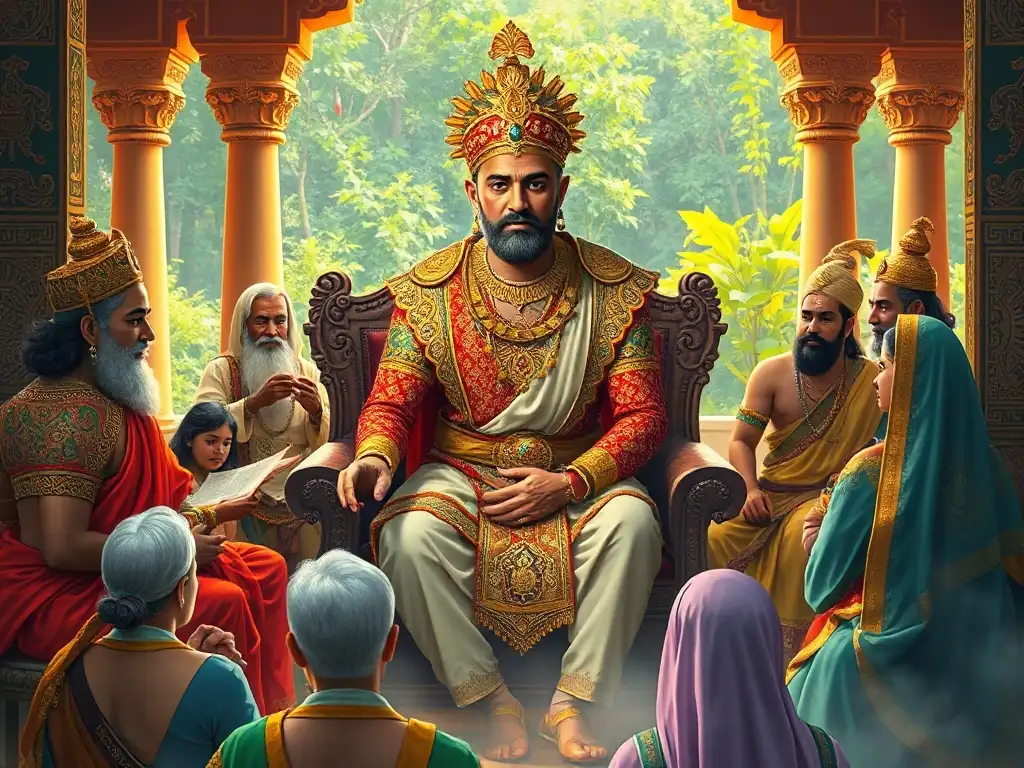
The Gupta Empire, often referred to as the Golden Age of India, flourished from approximately 320 to 550 CE. This period is characterized by significant advancements in art, science, and philosophy, largely due to the unique leadership styles of its emperors. The Guptas established a centralized administration that encouraged scholarly pursuits and artistic expression.
Leadership during the Gupta period was marked by a patronage system where kings actively supported artists, writers, and scholars. This enabled the flourishing of various forms of art, including sculpture, painting, and architecture. The emperors viewed themselves not just as rulers but as cultural leaders who had a divine mandate to promote dharma (righteousness) and culture.
Under their reign, notable figures such as Kalidasa emerged in literature, while advancements in mathematics and astronomy were led by scholars like Aryabhata. The Gupta rulers utilized their influence to sponsor religious establishments, further integrating politics with cultural and spiritual life. This period saw the rise of Hinduism, alongside the continued presence of Buddhism, which was reflected in the art and architecture of the time, such as the famous Ajanta and Ellora caves.
Leadership Styles of Chandragupta I and Samudragupta
Chandragupta I, the founder of the Gupta Empire, established a model of leadership that was characterized by strategic alliances and military prowess. His marriage to a Lichchhavi princess not only strengthened his political position but also expanded his influence. Chandragupta I’s leadership style was pragmatic, emphasizing the importance of diplomacy and military strength to consolidate power.
In contrast, his son, Samudragupta, is often celebrated for his military campaigns and expansionist policies. Known as the "Indian Napoleon," Samudragupta's leadership was marked by aggressive conquests, which expanded the Gupta territory significantly. He adopted a more assertive approach, showcasing strength through military achievements while also granting autonomy and respect to the local rulers he conquered. This dual strategy of strength and benevolence allowed him to foster loyalty among diverse populations, emphasizing the importance of both power and cultural integration in leadership.
The Role of Kingship in Promoting Art and Culture
Kingship in the Gupta Empire played a vital role in the promotion of art and culture. The rulers were seen as custodians of culture, and their patronage led to the flourishing of the arts. They funded temples, sculptures, and educational institutions, creating an environment where artists and scholars could thrive.
The Guptas employed a system of royal patronage that allowed artists to create works that were not only beautiful but also conveyed religious and philosophical ideas. This era witnessed the creation of exquisite sculptures depicting Hindu deities, intricate temple architecture, and the compilation of significant literary works that have survived through the ages.
Moreover, the emperors encouraged the establishment of universities, such as Nalanda, which attracted students from far and wide, promoting an exchange of knowledge and ideas. This cultural investment solidified the Gupta Empire's legacy and laid the groundwork for future generations in India and beyond.
Regional Variations in Leadership Styles
The diversity of the Indian subcontinent has led to significant regional variations in leadership styles throughout history. Different geographical, cultural, and social contexts shaped how rulers exercised power and authority.
In northern India, where empires like the Mauryas and Guptas flourished, leadership often involved centralized authority supported by a bureaucratic system. In contrast, southern Indian kingdoms, such as the Cholas and Pandayas, tended to adopt a more decentralized approach, where local chieftains held significant power while paying homage to a central ruler.
This divergence in leadership styles reflected the local customs and traditions that influenced governance, showcasing how the socio-political landscape of ancient India was not monolithic but rather a tapestry of varied practices and ideologies.
The Influence of Local Traditions on Kingship
Local traditions played a crucial role in shaping the kingship in ancient India. Rulers often adapted their leadership styles to resonate with the cultural and societal norms of their regions. For instance, in tribal areas, kingship was sometimes based on a council of elders, where decisions were made collectively rather than imposed by a single authority.
In many regions, the status and legitimacy of kings were tied to their connection with local deities and rituals. Rulers would often present themselves as the protectors of local customs, participating in festivals and ceremonies, thereby reinforcing their authority through cultural integration. Such practices not only fostered loyalty among subjects but also created a sense of shared identity that transcended political boundaries.
Comparison of Northern and Southern Indian Leadership Models
The leadership models in northern and southern India exhibited distinct characteristics influenced by geography, culture, and historical context.
In the north, empires like the Maurya and Gupta showcased a more centralized model of governance. Rulers held significant power and often implemented a bureaucratic system to manage their vast territories. This model was effective in unifying diverse populations under a singular authority, promoting a common cultural identity.
Conversely, southern Indian kingdoms, such as the Chola dynasty, often practiced a feudal system where local chieftains wielded considerable autonomy. This decentralized approach allowed for a more localized governance structure, accommodating the diverse traditions and customs of the region.
| Aspect | Northern Indian Leadership | Southern Indian Leadership |
|---|---|---|
| Centralization | Highly centralized with bureaucratic control | Decentralized with local chieftains |
| Cultural Integration | Promoted a singular cultural identity | Emphasized regional customs |
| Power Structure | Strong monarchs with significant authority | Local rulers with autonomy |
| Military Strategy | Often aggressive and expansionist | Strategic alliances and local diplomacy |
This comparative analysis highlights the rich diversity of ancient Indian leadership styles, demonstrating how local traditions and historical circumstances shaped the governance of one of the most culturally vibrant regions in the world.
The Impact of Religion on Ancient Indian Leadership
Religion played a pivotal role in shaping leadership styles and governance in ancient India. The intertwining of religious beliefs with political authority established a framework through which rulers derived legitimacy and exercised power. This connection not only influenced the moral and ethical standards of leadership but also shaped the administrative approaches adopted by various dynasties.
The ancient Indian leadership landscape was marked by the idea of Dharma, or righteous duty, which was central to both Hindu and Buddhist philosophies. Rulers were often seen as the embodiments of Dharma, responsible for maintaining cosmic order and societal harmony. This religious underpinning led to the establishment of divine kingship, where monarchs were viewed as agents of the divine, tasked with upholding moral values and ethical governance.
Hinduism and its Influence on Rulership
Hinduism has profoundly shaped the concept of kingship in ancient India. The scriptures, particularly the Vedas and Puranas, outlined the attributes of an ideal king, emphasizing qualities such as wisdom, bravery, and devotion to the welfare of his subjects. The Rajadharma, a guiding principle, dictated the duties of a king, encouraging rulers to act justly and protect their realm from external threats.
One of the most significant aspects of Hindu leadership was the notion of the Chakravartin, or the universal monarch. This concept depicted an ideal ruler who governed with righteousness and ensured prosperity for all. Kings who managed to establish their authority through military conquests and diplomatic alliances were often regarded as Chakravartins, further reinforcing the idea that successful leadership was divinely sanctioned.
Moreover, Hindu rituals and ceremonies were integral to the coronation and governance process. The Ashwamedha and Vajapeya sacrifices were significant royal rites that not only legitimized the ruler's power but also symbolized their role as protectors of the dharma. Through these practices, Hinduism shaped the moral and ethical framework within which ancient Indian leaders operated, solidifying the connection between religion and governance.
The Role of Buddhism in Shaping Leadership Perceptions
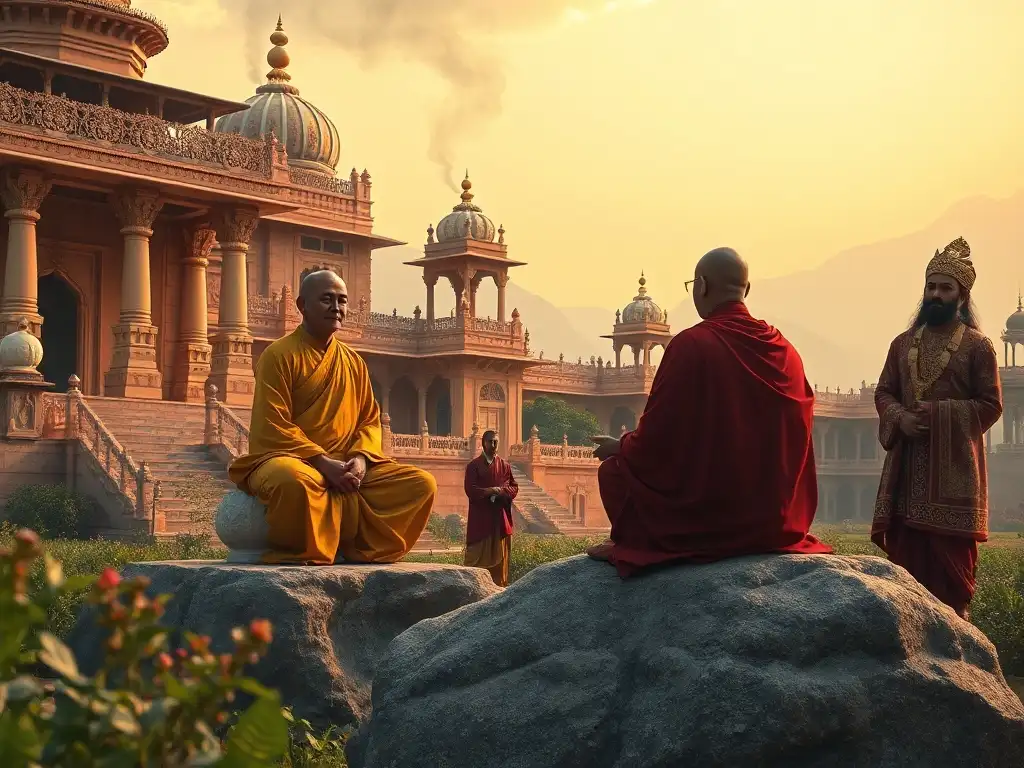
Buddhism introduced a different perspective on leadership that emphasized moral authority and the welfare of the populace. The teachings of the Buddha highlighted the importance of compassion, non-violence, and ethical conduct, which resonated with many rulers who sought to legitimize their power through benevolence rather than sheer force.
Prominent figures like Emperor Ashoka exemplified this shift in leadership style. After converting to Buddhism, Ashoka prioritized the welfare of his subjects, promoting policies that emphasized social justice, public health, and environmental conservation. His edicts, inscribed on pillars throughout his empire, served as a blueprint for governance based on ethical principles rather than traditional martial prowess.
Buddhism’s impact on leadership extended beyond individual rulers; it influenced the broader political culture. As Buddhist values permeated society, they encouraged leaders to adopt a more inclusive approach, focusing on the needs of the common people and fostering dialogue between different communities. This emphasis on moral governance marked a significant evolution in leadership styles, aligning political authority with the principles of compassion and social responsibility.
The Transition to Feudal Leadership Structures
The transition from centralized monarchies to feudal leadership structures in ancient India marked a significant evolution in governance. This shift was influenced by various factors, including socio-political changes, economic shifts, and the need for localized administration.
Decline of Centralized Power: Causes and Effects
The decline of centralized power in ancient India can be attributed to several interrelated causes. One primary factor was the rise of regional kingdoms and local chieftains, who began to assert their authority in response to the weakening of larger empires. The fragmentation of power led to a more decentralized political landscape, where local rulers had greater autonomy.
Economic changes also played a crucial role. The agrarian economy increasingly favored localized administration, as rulers needed to manage resources and protect their territories effectively. The difficulty of maintaining control over vast areas led to the emergence of feudal systems, where land was granted to vassals in exchange for loyalty and military service. This arrangement allowed for a more flexible and responsive governance model.
The effects of this transition were profound. As centralized control waned, leadership styles adapted to the new realities. Local rulers began to prioritize the welfare of their immediate communities, fostering a sense of loyalty and identity among their subjects. The emphasis on land-based power dynamics redefined the nature of authority, leading to a more fragmented but locally engaged political structure.
Features of Feudal Leadership in Ancient India
Feudal leadership in ancient India was characterized by several distinct features that reflected the changing political landscape. One of the most notable aspects was the emergence of vassal-lord relationships, where local leaders (vassals) pledged allegiance to more powerful overlords in exchange for land and protection. This system created a network of loyalty that was crucial for maintaining order in a decentralized political environment.
Another key feature was the importance of land ownership. Land became the primary source of wealth and power, leading to a hierarchy based on landholding. Rulers often distributed land grants to loyal supporters, thereby solidifying their control and ensuring military support. This relationship between land and authority marked a significant shift from the divine right of kings to a more pragmatic form of governance rooted in economic power.
Additionally, feudal leadership in ancient India was marked by cultural and regional diversity. As local rulers gained power, they often adopted distinctive cultural practices and governance styles that reflected their communities' values and traditions. This diversity enriched the leadership landscape, leading to a mosaic of practices that varied significantly across different regions.
The evolution of leadership styles in ancient India was deeply influenced by religious beliefs, socio-political changes, and economic factors. The transition from centralized monarchies to feudal systems not only redefined authority but also paved the way for a more localized and responsive form of governance that resonated with the diverse needs of the population.
Conclusion: The Legacy of Ancient Indian Leadership Styles
The legacy of ancient Indian leadership styles is profound, influencing not only the political landscape of the time but also the cultural and social fabric of the subcontinent. From the democratic assemblies of the early republics to the autocratic tendencies of later empires, each leadership style contributed uniquely to the governance and administration of diverse regions. These styles were often characterized by their adaptability, reflecting the changing needs of society and the prevailing philosophical thoughts, such as Dharma and Artha, which guided rulers in their decision-making.
The impact of these leadership styles can still be felt today, as they laid the groundwork for modern governance and political thought in India. The emphasis on moral duty, social responsibility, and the welfare of the people resonates in contemporary leadership practices. Moreover, the historical narratives surrounding these leaders—such as Ashoka's commitment to non-violence or Chandragupta Maurya's pragmatism—continue to inspire leaders and scholars alike to explore the qualities of effective governance.
Reflection on the Evolution of Kingship
Reflecting on the evolution of kingship in ancient India reveals a complex interplay between power, culture, and societal values. Early leadership was often collective, with councils and assemblies playing a significant role in decision-making. This evolved into more centralized forms of governance as empires expanded, necessitating stronger authority figures to maintain order and implement policies across vast territories.
Throughout different eras, the role of the king transformed significantly. While earlier kings were seen as custodians of dharma, later rulers often embraced a more autocratic approach, justified by the need for stability and control. Notably, the shift from the Vedic ideals of leadership to the strategic administration found in the Maurya and Gupta empires illustrates how external pressures, such as invasions and internal strife, shaped leadership styles.
This evolution also highlights the fluctuating relationship between the ruler and the ruled, where the legitimacy of kingship was often tied to the ruler's ability to uphold dharma and ensure the prosperity of their subjects. The intricate balance of power, responsibility, and moral authority underscores the dynamism of ancient Indian kingship.
The Relevance of Ancient Leadership Styles in Modern Context
The ancient Indian leadership styles hold significant relevance in today's political and organizational contexts. Concepts such as participatory governance, ethical leadership, and the importance of public welfare resonate with contemporary movements advocating for transparency and accountability in leadership. The principles derived from ancient texts like the Arthashastra by Kautilya still serve as foundational texts in understanding statecraft, diplomacy, and economics, influencing modern leaders and policymakers.
Moreover, the lessons drawn from historical figures—who navigated complex social dynamics and maintained legitimacy through moral governance—offer valuable insights for modern leaders facing similar challenges. The emphasis on adaptability, strategic foresight, and ethical considerations in leadership is crucial for addressing the complexities of contemporary governance.
In a world increasingly characterized by rapid change and uncertainty, revisiting the ancient Indian models of leadership provides a framework for building resilient and responsive governance structures. It encourages leaders to draw from historical wisdom while adapting to the needs of their constituents, fostering a more inclusive and sustainable approach to leadership.
References and Further Reading
Suggested Literature on Ancient Indian Leadership
-
"The Arthashastra" by Kautilya
A seminal text on statecraft, economics, and military strategy that provides deep insights into ancient Indian political thought.
-
"Ashoka: The Search for the True India" by Charles Allen
This book explores the life and reign of Emperor Ashoka, focusing on his transformation from a conqueror to a proponent of peace.
-
"The History of India" by Romila Thapar
A comprehensive overview of Indian history, with specific sections dedicated to leadership, governance, and social structures in ancient India.
-
"Kingship and Women in Ancient India" by Kumkum Roy
This work examines the dynamics of kingship in relation to gender roles and societal expectations in ancient Indian civilization.
Additional Resources on Historical Leadership Studies
-
Journal of Historical Sociology
An academic journal that publishes articles on the social aspects of historical leadership, including case studies and theoretical discussions.
-
"Leadership in Ancient India: A Study of the Mauryan Empire" (Research Paper)
This paper analyzes the leadership styles during the Mauryan era, focusing on governance, administration, and military strategy.
-
Online Courses on Ancient Indian History
Several platforms offer courses that delve into the political and cultural history of ancient India, providing insights into leadership styles and governance.
These resources will deepen the understanding of ancient Indian leadership styles and their evolution, enriching the discourse on historical governance and its implications for the modern world.
- Introduction to Ancient Indian Leadership Styles
- The Early Forms of Kingship in Ancient India
- Vedic Period Leadership Styles
- The Maurya Empire: Centralized Leadership
- The Gupta Empire: Patronage and Cultural Leadership
- Regional Variations in Leadership Styles
- The Impact of Religion on Ancient Indian Leadership
- Hinduism and its Influence on Rulership
- The Role of Buddhism in Shaping Leadership Perceptions
- The Transition to Feudal Leadership Structures
- Conclusion: The Legacy of Ancient Indian Leadership Styles
- References and Further Reading
- What were the main leadership styles in ancient India?
- How did cultural influences shape leadership in ancient India?
- What role did military power play in leadership evolution?
- How did trade impact leadership styles in ancient India?
- What lessons can modern leaders learn from ancient Indian leadership?
Frequently Asked Questions
What were the main leadership styles in ancient India?
Ancient Indian leadership styles varied from decentralized systems in the Indus Valley to more centralized monarchies during the Maurya and Gupta Empires. Each era had its unique traits and governance methods.
How did cultural influences shape leadership in ancient India?
Cultural influences such as religion, philosophy, and social hierarchy played a significant role in shaping leadership styles, promoting ideas like Dharma and Rajadharma, which guided rulers in their governance.
What role did military power play in leadership evolution?
Military power was crucial for ancient Indian leaders, especially during times of conquest and expansion. Strong armies often enhanced a king's legitimacy and ability to maintain control over vast territories.
How did trade impact leadership styles in ancient India?
Trade fostered economic prosperity, which allowed leaders to invest in infrastructure and administration. This led to more sophisticated governance and a shift towards meritocratic systems in some regions.
What lessons can modern leaders learn from ancient Indian leadership?
Modern leaders can draw valuable insights regarding the importance of ethical governance, community engagement, and the balance between power and responsibility, as exemplified by various ancient Indian rulers.
Final Reflection: The Timeless Journey of Leadership
The evolution of kingship and leadership styles is not just a historical narrative; it is a vital lens through which we can understand contemporary governance and authority. As we explore the ancient Indian leadership styles, we uncover the profound lessons that resonate with today's world, reminding us that the essence of effective leadership transcends time and culture. The transformation from absolute monarchies to more participatory forms of governance underscores the need for adaptability and responsiveness in leadership.
Cultural and social landscapes are continuously shaped by the leadership styles that emerge from them. The ancient Indian kings, with their unique approaches to governance, have left an indelible mark on the principles of leadership that we still see today. Their emphasis on dharma, or duty, and the welfare of the subjects serves as a reminder that true leadership is rooted in service and responsibility. Leadership is not about being in charge. It is about taking care of those in your charge.
This quote encapsulates the essence of what we can learn from the past, urging us to reflect on our own leadership practices in both personal and professional realms.
As we look to the future, let us take a moment to reflect on how we can embody the lessons learned from ancient Indian leadership styles in our daily lives. Consider how you can lead with integrity, empathy, and a commitment to the greater good. Whether in your community, workplace, or family, strive to be a leader who inspires and uplifts others.
The journey of leadership is ongoing, and each of us has the power to shape it for the better. Embrace this opportunity to reflect on your leadership style and take action toward becoming the leader you aspire to be.
Embrace the Legacy: Transform Your Leadership Journey!
Thank you for exploring the fascinating evolution of kingship with us! You've gained insights into how leadership styles have shifted throughout history, revealing timeless lessons that remain relevant today. Now, it’s time to take those lessons and apply them in your own life.
Here are some actionable steps you can take to embody the spirit of transformational leadership:
- Reflect and Adapt: Identify a leadership trait from historical kingship styles that resonates with you and consider how you can incorporate it into your daily interactions.
- Engage with Others: Start a discussion group with friends or colleagues focusing on the evolution of leadership—share insights and learn from each other’s experiences.
- Explore Further: Dive deeper into historical texts or modern interpretations of leadership styles from various cultures, and think about how they can influence your personal or professional life.
What leadership qualities do you admire from historical figures, and how can you integrate those into your life today? Your journey toward impactful leadership begins here!