
Emperor Akbar: How His Policies Redefined Leadership in India

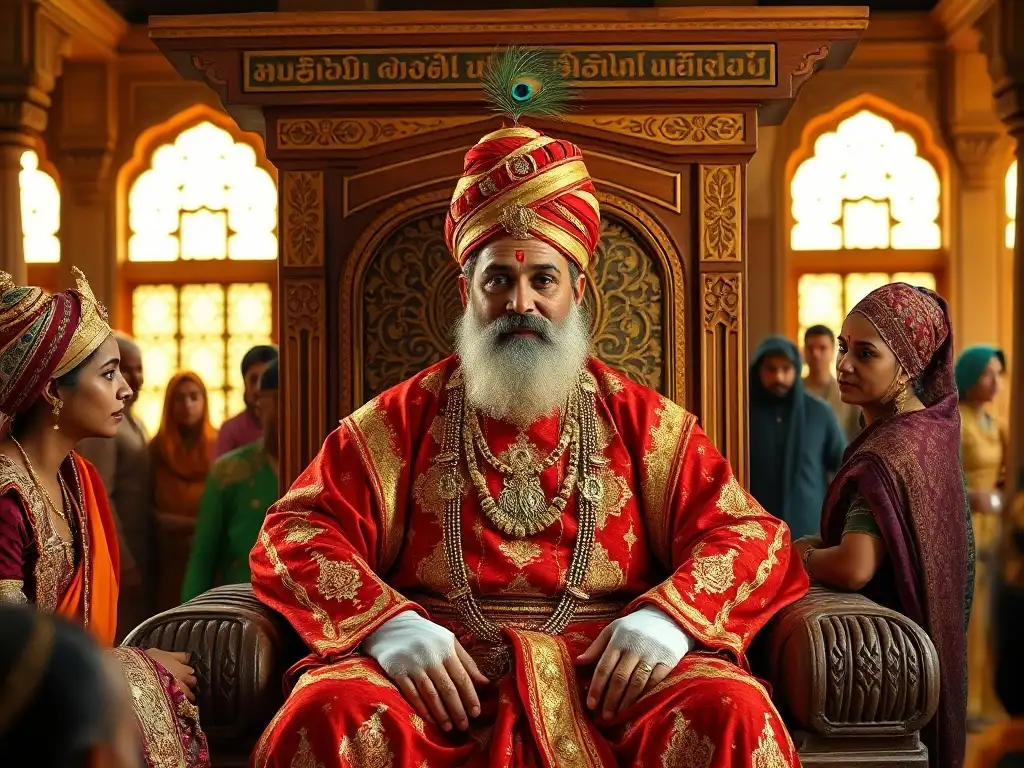
Welcome to Ancient India History, where we embark on a fascinating journey through time, uncovering the rich tapestry of civilizations that shaped the subcontinent. In this exploration, we delve into the remarkable reign of Emperor Akbar, whose visionary leadership policies not only transformed India but also redefined the very essence of governance. What were the innovative strategies that made him a beacon of progress during his era?
Join us as we unravel the intricacies of his rule and discover the profound impact of his policies on the diverse fabric of Indian society. Prepare to be captivated by the legacy of one of history's most influential figures!
Introduction to Emperor Akbar
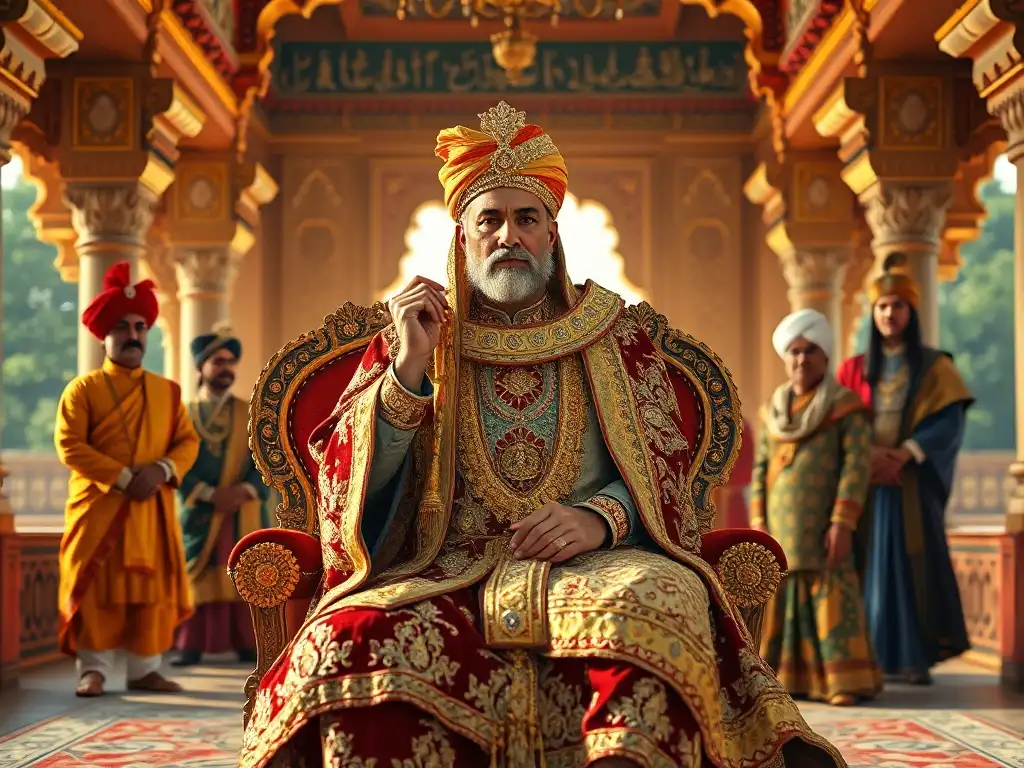
Emperor Akbar, who reigned from 1556 to 1605, is often heralded as one of the most illustrious figures in Indian history. His leadership was marked by an unprecedented blend of military prowess, political acumen, and visionary reforms that not only strengthened the Mughal Empire but also transformed the very fabric of Indian society.
Akbar's policies are widely regarded as a turning point in the evolution of governance in India, introducing a new era of tolerance, inclusivity, and administrative efficiency. This article delves into the essence of Akbar's leadership, exploring how his innovative policies redefined the concept of rulership in India, influencing generations to come.
Overview of Akbar's Reign
Akbar ascended to the throne at a young age, facing the challenges of consolidating a vast empire that spanned much of the Indian subcontinent. His reign is characterized by several key initiatives:
- Military Expansion: Akbar expanded the Mughal Empire through strategic conquests and alliances, significantly increasing its territorial reach.
- Administrative Reforms: He implemented a centralized system of governance, establishing an efficient bureaucracy that improved tax collection and law enforcement.
- Cultural Patronage: Akbar was a great patron of the arts, fostering a vibrant culture that blended Persian, Indian, and Islamic influences.
These elements were crucial in establishing Akbar as a formidable leader and a transformative figure in Indian history.
Significance of Akbar in Indian History
The significance of Akbar extends beyond military conquests and administrative reforms. His policies laid the groundwork for a more integrated and cohesive society. Notably, he is credited with:
- Promoting Religious Tolerance: Akbar's policy of Sulh-i-Kul, or universal peace, emphasized harmony among different religions, fostering an environment of coexistence.
- Encouraging Dialogue: He established the Ibadat Khana, a hall for religious discussions, where scholars from various faiths engaged in dialogues, promoting mutual respect and understanding.
- Cultural Synthesis: Akbar's reign saw a flourishing of literature, art, and architecture, exemplified by the construction of the magnificent Fatehpur Sikri, which serves as a testament to his vision of a united empire.
The Concept of Leadership in Ancient India
Leadership in ancient India was traditionally defined by a combination of divine sanction, warrior prowess, and adherence to dharma (righteousness). However, the emergence of strong leaders like Akbar brought about a re-evaluation of these concepts.
Traditional Leadership Models in India
Historically, Indian leadership models were heavily influenced by:
- Monarchical Rule: Kings were seen as the earthly representatives of divine authority, tasked with upholding dharma.
- Caste System: Leadership roles were often dictated by one's caste, with Kshatriyas (warriors) holding prominent positions.
- Feudal Structures: Local chieftains wielded significant power, often operating independently under the suzerainty of a larger kingdom.
These models, while effective in their time, often led to fragmentation and conflict.
Shift in Leadership Paradigms during Akbar’s Era
With Akbar's ascendance, a notable shift occurred in the paradigms of leadership:
- Inclusivity: Akbar's policies encouraged participation from diverse social strata, breaking away from strictly hereditary leadership.
- Meritocracy: He appointed officials based on ability rather than birth, promoting talented individuals from various backgrounds.
- Centralized Authority: Akbar's approach to governance emphasized a strong central authority that could effectively manage a vast and diverse empire.
This transformation in leadership not only enhanced the stability of the Mughal Empire but also set a precedent for future rulers, marking a significant evolution in the governance of India.
Key Leadership Policies of Emperor Akbar
Emperor Akbar, who ruled from 1556 to 1605, is often hailed as one of the most effective leaders in Indian history. His leadership policies were characterized by a blend of administrative reform, religious tolerance, and economic innovation. These policies not only strengthened the Mughal Empire but also laid the groundwork for a more inclusive governance structure that resonated throughout India. Akbar's approach to leadership was holistic, addressing various facets of society, including administration, religion, and economy, thereby redefining the nature of leadership in India.
Administrative Reforms and Centralized Governance
One of the cornerstones of Akbar's leadership was his comprehensive administrative reforms, which aimed to establish a centralized and efficient governance system. He reorganized the empire into provinces called subahs, each overseen by a governor who was directly accountable to him. This structure facilitated better tax collection, law enforcement, and public order.
Akbar introduced the Mansabdari system, which was a military-cum-bureaucratic structure that categorized officials based on their ranks, known as mansabs. This system enabled him to efficiently manage a diverse empire and ensure loyalty among his officials. The reforms extended to land revenue systems as well; the Zabt system was implemented, whereby land revenue was assessed based on the productivity of the land rather than arbitrary measures, thereby creating a more equitable tax system.
Religious Tolerance and the Din-i Ilahi
Akbar's policies were revolutionary in promoting religious tolerance during a time of significant religious strife in India. He believed that a harmonious society could only be achieved through mutual respect among various religious communities. His establishment of the Din-i Ilahi (Religion of God) in 1582 was a significant manifestation of his inclusive philosophy. This syncretic faith aimed to blend elements of various religions, including Hinduism, Islam, Jainism, and Christianity, fostering a spirit of unity.
Akbar abolished the jizya, a tax levied on non-Muslims, further demonstrating his commitment to religious equity. He hosted discussions among scholars of different faiths at his court, encouraging dialogue and understanding. This emphasis on tolerance not only consolidated his rule but also created a model of governance that prioritized social cohesion over sectarian divides.
Economic Policies and Agricultural Innovations
Emperor Akbar's leadership also saw significant advancements in economic policies and agricultural practices. Recognizing the importance of agriculture for the empire’s prosperity, he promoted innovations such as improved irrigation techniques and the introduction of new crops. He encouraged agricultural experimentation, leading to increased productivity and food security.
Akbar implemented a fair tax system that took into account the varying fertility of the land and seasonal conditions. This policy not only alleviated the burden on farmers but also ensured a stable revenue stream for the empire. The establishment of trade routes and markets under his reign facilitated commerce, enriching the Mughal economy and promoting cultural exchanges among different regions.
Impact of Akbar's Leadership Policies on India
The impact of Akbar's leadership policies on India was profound and enduring. His reforms not only strengthened the Mughal Empire but also influenced the socio-cultural fabric of the region.
Strengthening of the Mughal Empire
Akbar's centralized governance and administrative reforms significantly strengthened the Mughal Empire, allowing it to expand its territories and consolidate power. His policies fostered loyalty among his subjects, which led to a relatively stable and prosperous empire. By integrating various regions and communities into a single administrative framework, Akbar ensured that the empire could withstand challenges from both internal dissent and external invasions.
Social Harmony and Cultural Integration
Under Akbar's rule, India witnessed a remarkable degree of social harmony and cultural integration. His policies of religious tolerance and dialogue among faiths created a framework for peaceful coexistence. The flourishing of arts, literature, and architecture during his reign is a testament to this cultural synthesis. The promotion of Persian and regional languages in literature and administration played a crucial role in nurturing a distinct Mughal identity that celebrated diversity.
Influence on Future Indian Leadership Styles
Akbar's innovative leadership style left a lasting legacy on future generations of Indian leaders. His emphasis on tolerance, inclusivity, and progressive governance became a benchmark for many subsequent rulers. The principles he championed influenced various movements and leaders who sought to promote unity and communal harmony in a diverse society. His model of leadership, which balanced power with responsibility and compassion, continues to be relevant in contemporary discussions on governance and leadership in India.
Comparison of Akbar’s Policies with Other Historical Leaders
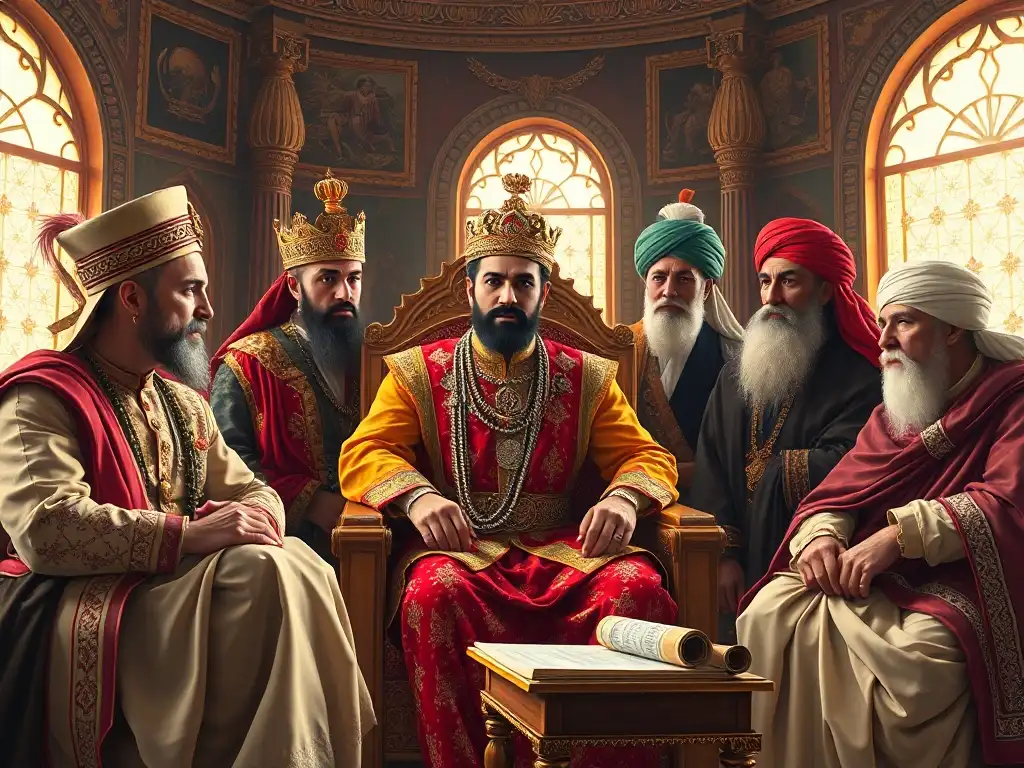
Emperor Akbar's leadership policies marked a significant departure from the practices of his contemporaries and predecessors, setting a new standard for governance in India. By comparing his policies with those of other historical leaders, we can appreciate the unique aspects of Akbar's approach to leadership.
While many rulers resorted to authoritarian methods, Akbar embraced a philosophy of inclusivity and dialogue. His policies aimed not just at consolidating power but also at fostering harmony among diverse religious and ethnic groups. This contrasts sharply with leaders like Aurangzeb, whose reign was characterized by sectarian strife and a rigid interpretation of Islam that alienated many Hindus and other communities.
Moreover, Akbar's methods can be juxtaposed with those of Ashoka, the Mauryan emperor known for his promotion of Buddhism and non-violence. While Ashoka focused on moral governance through Dharma, Akbar's leadership was marked by pragmatism and adaptability. He implemented a syncretic approach that sought to integrate various cultural and religious practices into his administration, which was a departure from Ashoka's more ideologically driven leadership.
Leadership Styles of Ashoka vs. Akbar
The leadership styles of Ashoka and Akbar provide a fascinating study in contrasts. Ashoka's reign (268-232 BCE) is often heralded for its emphasis on moral and ethical governance, primarily influenced by Buddhist principles. He championed non-violence, tolerance, and the welfare of his subjects, promoting the concept of 'Dharma' as a guiding principle for his policies. His edicts, inscribed on pillars and rocks, communicated a clear message of compassion and ethical governance.
In contrast, Akbar (1556-1605) adopted a more dynamic and pragmatic approach to leadership that was shaped by the socio-political landscape of his time. His policy of Sulh-i-Kul, or universal peace, emphasized tolerance and coexistence among various religious communities. Akbar actively engaged with different faiths, inviting scholars and theologians to court discussions, which fostered an environment of mutual respect and understanding. While Ashoka's policies were largely moral and ethical, Akbar's were pragmatic, aimed at maintaining a stable and prosperous empire through inclusivity and administrative efficiency.
Contrast with Other Mughal Emperors
Akbar's leadership policies stand in stark contrast to those of his successors, particularly Aurangzeb, who ruled from 1658 to 1707. Aurangzeb's reign was marked by a return to orthodox Islamic principles, which resulted in the alienation of non-Muslim communities. His imposition of the jizya tax on Hindus and destruction of Hindu temples created a rift that undermined the religious harmony that Akbar had worked so diligently to establish.
Additionally, while Akbar sought to integrate regional powers and foster alliances with local rulers, later Mughal emperors often relied on military might and coercion. Akbar's establishment of the Mansabdari system, which included both military and administrative ranks, was designed to create a loyal bureaucratic class that balanced power among various factions. This innovative approach diminished the potential for rebellion and ensured a more stable governance structure. His successors, lacking Akbar's diplomatic finesse, often faced uprisings and challenges to their authority due to their heavy-handed tactics.
Case Studies of Successful Implementation of Akbar’s Policies
Akbar's leadership policies not only transformed the Mughal Empire but also laid the groundwork for a more nuanced approach to governance that could be adapted to local contexts. Several case studies illustrate the successful implementation of these policies, showcasing their effectiveness in promoting stability and cooperation.
The Role of Rajput Alliances in Akbar's Governance
One of the most notable examples of Akbar's successful policy implementation is his alliance with the Rajputs. Recognizing the military prowess and regional influence of Rajput clans, Akbar strategically allied with them through marriage and diplomacy. His marriage to Rajput princesses, such as Jodha Bai, symbolized this alliance and helped to integrate Rajput rulers into the Mughal administrative framework.
These alliances not only strengthened Akbar’s military position but also facilitated cultural exchanges and fostered loyalty among the Rajputs, who were often vassals rather than outright subjects. Akbar's policy of respecting Rajput traditions and customs was crucial in maintaining peace and stability in a region marked by historical rivalries. This approach helped to cultivate a sense of shared identity among diverse groups, ultimately enhancing the legitimacy of Akbar's rule.
Administrative Innovations: The Mansabdari System
Another key case study illustrating Akbar's effective governance is the Mansabdari system, which he established to manage his vast empire. This innovative administrative framework categorized military and civil officials into ranks, or mansabs, based on their responsibilities and the number of troops they were required to supply.
The Mansabdari system was pivotal in streamlining the administration, providing a clear structure for governance that promoted accountability and loyalty. By tying the ranks to military service, Akbar ensured that his officials were not only bureaucrats but also military leaders who had a vested interest in the stability of the empire. This system allowed for efficient tax collection, law enforcement, and resource management, which were essential for sustaining the empire's economic health.
Akbar's policies, exemplified by his alliances with the Rajputs and the establishment of the Mansabdari system, underscore his unique approach to leadership. His focus on inclusivity, pragmatism, and administrative innovation set him apart from other historical leaders and established a legacy that would influence governance in India for centuries to come.
Myths and Realities about Emperor Akbar’s Leadership
Emperor Akbar, one of the most celebrated rulers of the Mughal Empire, has been the subject of various myths and realities regarding his leadership and policies. Understanding these aspects is crucial to appreciating how his governance redefined leadership in India.
One prevalent myth is that Akbar ruled with an iron fist, imposing his will upon his subjects without regard for their customs and beliefs. In reality, Akbar was known for his diplomatic approach and often sought to include diverse perspectives in his decision-making process. He recognized the importance of local customs and traditions, which helped him maintain stability in a culturally diverse empire.
Another misconception is that Akbar was merely a secular ruler with no interest in religion. While he did promote religious tolerance and inclusivity, Akbar was deeply engaged with spiritual matters. His establishment of the Din-i Ilahi—a syncretic religion—reflects his quest for a universal truth that transcended religious divides. This initiative showcased his innovative approach to governance, emphasizing unity over division.
Common Misconceptions about Akbar’s Policies
Several common misconceptions surround Akbar's policies, often overshadowing his contributions to governance and society.
- Religious Intolerance: Many believe Akbar was intolerant towards other religions. However, his policies actively encouraged dialogue between different faiths, exemplified by his court's inclusion of scholars from various religious backgrounds.
- Autocratic Rule: Some view Akbar as an autocrat who made unilateral decisions. In truth, he fostered a council of ministers and advisors, demonstrating a collaborative approach that was rare for his time.
- Military Conquests as Primary Focus: While Akbar expanded the Mughal Empire through military campaigns, his primary focus was on administrative reforms and cultural integration. He understood that sustainable governance required more than just territorial expansion.
The Real Impact of Akbar's Religious Tolerance
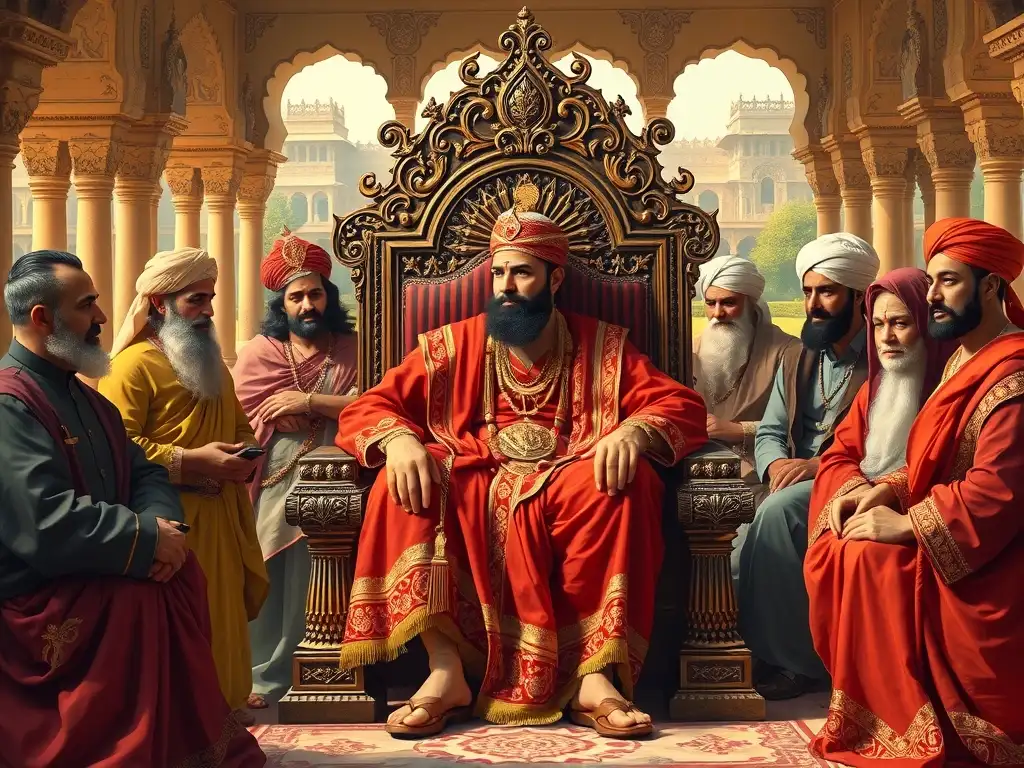
Akbar’s religious tolerance had profound implications for the social fabric of India. By promoting an environment of acceptance, he encouraged coexistence among Hindus, Muslims, Jains, and Christians, leading to a more harmonious society.
- Cultural Syncretism: Akbar's policies resulted in a blending of cultures, evident in art, architecture, and language. The Mughal architecture of the period reflects a fusion of Persian, Indian, and Islamic elements, resulting in stunning monuments like the Fatehpur Sikri.
- Social Stability: His commitment to religious tolerance fostered loyalty among diverse communities, reducing the likelihood of rebellions and unrest. This stability allowed for economic prosperity and cultural flourishing during his reign.
- Legal Reforms: Akbar introduced legal reforms that were more equitable and just, taking into account the diverse beliefs and practices of his subjects. This led to a more inclusive legal system, which respected individual rights and religious practices.
Conclusion: The Legacy of Emperor Akbar’s Leadership Policies
Emperor Akbar's leadership policies left an indelible mark on Indian history, showcasing a model of governance that prioritized inclusivity, tolerance, and collaboration. His legacy continues to influence contemporary society.
Lasting Influence on Modern Indian Governance
The principles Akbar championed resonate in modern Indian governance. His emphasis on secularism and religious tolerance is reflected in India's constitution, which aims to uphold the rights of all citizens, regardless of religious affiliation.
Moreover, Akbar's vision of a collaborative leadership style continues to inspire contemporary leaders, emphasizing the importance of dialogue and consensus in decision-making processes. His approach serves as a reminder of the strength found in diversity and the necessity of fostering unity in a pluralistic society.
Akbar's Place in the Pantheon of Great Leaders
In the pantheon of great leaders, Akbar occupies a unique position due to his innovative policies and visionary leadership. He is often compared to figures such as Ashoka the Great and Nelson Mandela, who also prioritized tolerance and inclusivity. Akbar's ability to navigate the complexities of a diverse empire while maintaining peace and stability cements his status as one of history's most influential leaders.
Emperor Akbar's leadership policies not only transformed the Mughal Empire but also set a precedent for future governance in India, emphasizing the vital importance of inclusivity and tolerance in leadership.
Further Reading and Resources on Akbar and Leadership in Ancient India
For those interested in a deeper understanding of Emperor Akbar's leadership policies in India, there are numerous resources available that explore his profound impact on the subcontinent's history. These materials encompass scholarly books, articles, and documentaries that provide insights into Akbar's governance, administrative reforms, and the cultural renaissance during his reign. Below are some recommended readings and visual resources that will enrich your knowledge of Emperor Akbar's significant contributions.
Books and Articles on Emperor Akbar's Policies
-
"Akbar: The Great Mughal" by Ira Mukhoty
This biography offers a comprehensive look at Akbar's life, focusing on his policies and the socio-political landscape of his time. Mukhoty's narrative highlights Akbar's innovative approaches to governance, including religious tolerance and administrative efficiency.
-
"The Mughal Empire" by John F. Richards
This scholarly work discusses the broader context of the Mughal Empire, with specific chapters dedicated to Akbar's leadership. Richards delves into how Akbar's policies influenced the empire's development and stability.
-
"Akbar and the Rise of the Mughal Empire" by S. R. Sharma
Sharma's book provides an in-depth analysis of Akbar's policies, exploring his military strategies, administrative reforms, and cultural patronage. It emphasizes how these policies redefined leadership in India.
-
"Religious Policies of Akbar" - Journal Article
This academic article examines Akbar's religious tolerance and the establishment of the Din-i Ilahi. It discusses how these policies not only affected his empire but also set a precedent for future leaders.
-
"Akbar: The Man Who Knew the Earth" by R. C. Gupta
Gupta explores Akbar's philosophical inclinations and his understanding of governance. The book highlights the humanistic approach Akbar took in his leadership style.
Documentaries and Historical Analysis on Akbar's Leadership
-
"The Mughal Empire: The Great Mughals"
This documentary series provides a visual representation of Akbar's reign, showcasing his military campaigns, architectural achievements, and cultural advancements. It includes interviews with historians who analyze his leadership policies.
-
"Akbar: The Legacy of a Visionary"
A documentary that delves into Akbar’s vision for a unified India, emphasizing his policies of inclusivity and tolerance. It features expert commentary on how these policies laid the groundwork for modern Indian society.
-
"The Great Mughals" - BBC Documentary
This historical documentary series covers the entire Mughal dynasty, with a significant focus on Akbar’s reign. It highlights his administrative reforms, cultural patronage, and the religious syncretism he promoted.
-
"Emperor Akbar: The Architect of an Empire"
This film presents a dramatized account of Akbar's life, illustrating his leadership style through pivotal moments in his reign. It provides viewers with both entertainment and educational insights into his policies.
-
Online Lectures and Courses
Many universities offer free online lectures that cover the history of the Mughal Empire, including Akbar's policies. Websites like Coursera and edX often host courses featuring expert historians discussing Akbar's impact on Indian leadership.
These resources collectively provide a rich tapestry of information about Emperor Akbar's leadership policies and their significance in shaping the course of Indian history. Whether through reading or viewing, these materials will enhance your comprehension of this pivotal figure's contributions to governance and society in ancient India.
- Introduction to Emperor Akbar
- The Concept of Leadership in Ancient India
- Key Leadership Policies of Emperor Akbar
- Impact of Akbar's Leadership Policies on India
- Comparison of Akbar’s Policies with Other Historical Leaders
- Case Studies of Successful Implementation of Akbar’s Policies
- Myths and Realities about Emperor Akbar’s Leadership
- Common Misconceptions about Akbar’s Policies
- The Real Impact of Akbar's Religious Tolerance
- Conclusion: The Legacy of Emperor Akbar’s Leadership Policies
- Further Reading and Resources on Akbar and Leadership in Ancient India
- What were Emperor Akbar's most significant leadership policies?
- How did Akbar's policies impact the social structure of India?
- What role did religious tolerance play in Akbar's reign?
- How did Akbar's administrative reforms improve governance in India?
- In what ways did Akbar's leadership influence future rulers in India?
Frequently Asked Questions
What were Emperor Akbar's most significant leadership policies?
Emperor Akbar implemented several key policies such as religious tolerance, administrative reforms, and the establishment of the Din-i Ilahi, promoting unity among diverse communities in India.
His policies encouraged social integration by fostering dialogue between different religions, which helped reduce communal tensions and promoted a more inclusive society.
What role did religious tolerance play in Akbar's reign?
Religious tolerance was central to Akbar's leadership, as it allowed for the coexistence of various faiths, contributing to a stable and prosperous empire during his rule.
How did Akbar's administrative reforms improve governance in India?
Akbar's administrative reforms included a merit-based system for government positions and efficient taxation policies, which significantly improved administration and resource management.
In what ways did Akbar's leadership influence future rulers in India?
Akbar's leadership set a precedent for inclusive governance, influencing subsequent emperors to adopt similar policies that prioritized unity, stability, and cultural diversity in their reigns.
Final Reflection: The Enduring Legacy of Emperor Akbar's Leadership Policies in India
Emperor Akbar's leadership policies continue to resonate profoundly in today's world, illustrating the timeless relevance of inclusivity and progressive governance. In an era marked by division and strife, Akbar's commitment to fostering unity among diverse communities serves as a powerful reminder of the impact that visionary leadership can have on a nation. His policies not only redefined leadership in India but also established a framework for governance that prioritizes dialogue, tolerance, and collaboration.
The influence of Akbar's policies can be seen in contemporary discussions about leadership and governance, where the need for inclusivity and understanding remains paramount. His approach to leadership was not merely about wielding power but about empowering others and creating a harmonious society. As Mahatma Gandhi once said, "> The best way to find yourself is to lose yourself in the service of others." This sentiment echoes Akbar's philosophy, emphasizing that true leadership lies in serving the people and fostering an environment where every voice is heard.
As we reflect on the lessons from Emperor Akbar's reign, let us consider how we can embody these principles in our own lives and communities. Take a moment to think about how you can promote inclusivity and understanding in your interactions, whether in your workplace, community, or family. By embracing the values that Akbar championed, we can contribute to a more harmonious and equitable society, ensuring that his legacy of enlightened leadership continues to inspire future generations.
Ignite Your Leadership Journey Today!
Thank you for diving into the remarkable world of Emperor Akbar and discovering how his visionary policies transformed leadership in India. You’ve explored the essence of effective governance and the power of inclusivity, and now it's time to take that inspiration and apply it in your own life and endeavors.
Here are some actionable steps to help you channel Akbar’s legacy into your leadership style:
- Reflect on Your Leadership Approach: Identify a key area where you can adopt a more inclusive policy or practice in your personal or professional life.
- Engage with Your Community: Start a discussion group focused on inspiring leadership styles, using Akbar’s methods as a foundation.
- Share Your Insights: Write about your learnings and discoveries on social media or your blog—invite others to join the conversation about what effective leadership truly means!
What leadership principle from Emperor Akbar resonates most with you, and how do you plan to implement it in your life? Share your thoughts below!