
The Impact of Trade Routes on Leadership Strategies in Ancient India

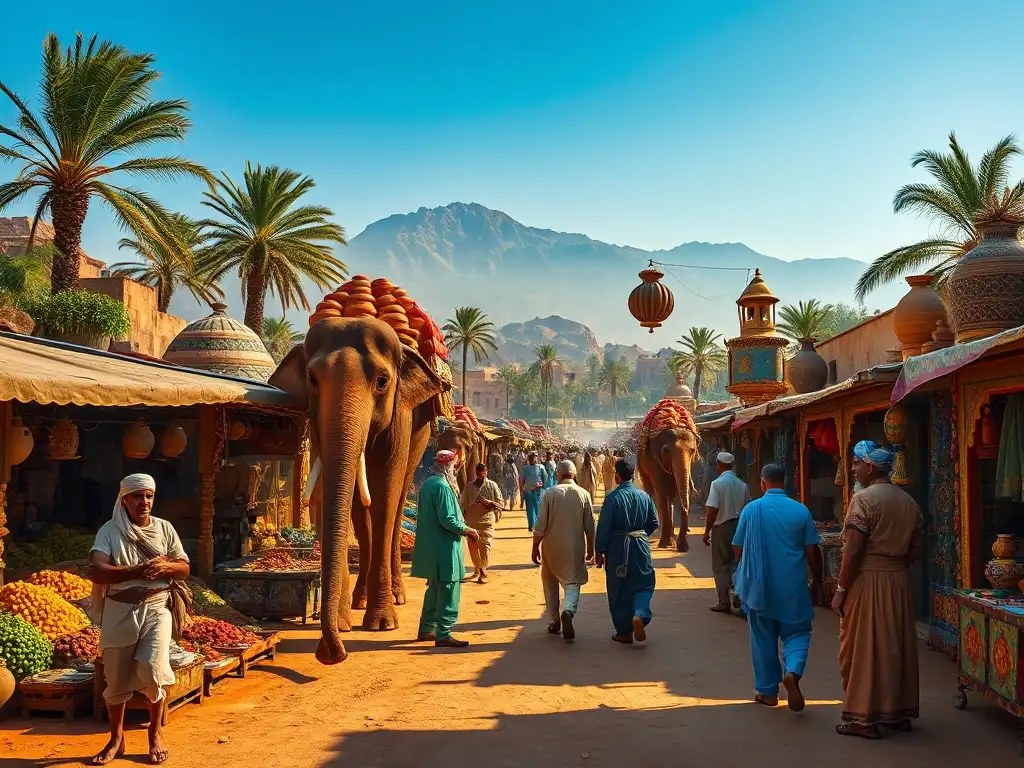
Welcome to Ancient India History, where we embark on an enlightening journey through the rich tapestry of India's past. Today, we delve into the impact of ancient Indian trade routes on leadership strategies, uncovering how these vital pathways shaped not only commerce but also the very fabric of governance and power in the thriving civilizations of the Indus Valley to the Gupta Empire. Prepare to explore the intricate connections between trade and leadership, and discover how these historical dynamics continue to resonate in our understanding of ancient cultures. Join us as we unravel the stories that shaped a nation!

Introduction to Ancient Indian Trade Routes
Ancient Indian trade routes played a pivotal role in shaping the social, economic, and political landscapes of the subcontinent. Spanning thousands of miles and connecting diverse cultures, these routes facilitated the exchange of goods, ideas, and innovations. The impact of these trade routes on leadership strategies is profound, influencing how rulers governed their territories, interacted with neighboring states, and managed economic resources. Understanding the dynamics of these trade routes is essential for grasping the complexities of leadership in ancient India, particularly during significant periods such as the Indus Valley Civilization and the Gupta Empire.
Overview of Key Trade Routes in Ancient India
Several key trade routes emerged in ancient India, each contributing uniquely to the development of commerce and leadership. Some of the most notable include:
- Silk Road: This extensive network connected India to Central Asia and beyond, facilitating trade in silk, spices, and precious stones.
- Maritime Trade Routes: The Indian Ocean trade routes linked Indian ports with East Africa, the Middle East, and Southeast Asia, promoting cultural exchange and economic prosperity.
- Royal Roads: Constructed by various empires, such as the Maurya and Gupta, these roads not only enhanced internal trade but also allowed for better military movements and administrative control.
These routes not only defined economic interactions but also established diplomatic relations and cultural exchanges between different regions, impacting leadership strategies significantly.
Significance of Trade in Ancient Indian Civilizations
Trade served as a cornerstone for the flourishing of ancient Indian civilizations. The economic benefits derived from trade led to the establishment of powerful city-states and kingdoms. Trade impacted various aspects of life, including:
- Cultural Exchange: The influx of ideas and practices from different cultures enriched Indian society, leading to advancements in art, science, and philosophy.
- Economic Growth: The wealth generated from trade allowed leaders to invest in infrastructure, military, and public welfare, bolstering their power and influence.
- Diplomatic Relationships: Trade routes often served as conduits for diplomatic engagements, allowing leaders to form alliances and negotiate peace treaties that were beneficial for their realms.
These elements underscore the critical role that trade played in shaping the foundations of power and governance within ancient Indian civilizations.
The Role of Trade Routes in Shaping Leadership
The intricate connections established by trade routes had a substantial impact on leadership styles and strategies in ancient India. Leaders who recognized the importance of trade were better equipped to harness its benefits for their political agendas.
How Trade Routes Influenced Political Structures
Trade routes not only facilitated economic transactions but also influenced the political structures of ancient Indian states. For instance:
- Centralization of Power: Leaders often centralized authority to control trade and taxation, ensuring that their empires reaped the maximum benefits from trade activities.
- Regional Autonomy: In some cases, regions along lucrative trade routes gained a degree of autonomy, leading to the emergence of local leaders who could negotiate trade agreements independently.
- Military Strategy: Control over key trade routes became a strategic military objective, as leaders sought to secure their territories against rival powers.
These dynamics illustrate how trade routes played a crucial role in shaping the political landscape of ancient India.
Economic Power and its Effect on Leadership Strategies
Economic power derived from trade not only enhanced the wealth of leaders but also impacted their strategies for governance. Key aspects include:
- Resource Allocation: Leaders could allocate resources towards infrastructure development, military enhancements, and cultural patronage, thereby reinforcing their authority and legacy.
- Investment in Technology: The wealth generated from trade allowed for investments in technology and innovation, further strengthening the economic base of a ruler’s domain.
- Public Welfare: Successful trade leaders often engaged in public welfare initiatives, fostering loyalty and support among their subjects, which in turn solidified their leadership status.
The impact of ancient Indian trade routes on leadership strategies is a multifaceted subject that reveals the interplay between commerce, power, and governance. The legacies of these trade routes continue to resonate, offering insights into the complexities of leadership in ancient Indian history.
Prominent Leaders and Their Trade Route Strategies
The ancient Indian subcontinent was characterized by a complex network of trade routes that significantly influenced the leadership strategies of its rulers. These trade routes facilitated not only economic transactions but also cultural exchanges, diplomatic relations, and the spread of ideas. Prominent leaders such as Chandragupta Maurya, Ashoka the Great, and the rulers of the Gupta Empire leveraged these trade routes to enhance their power and influence, shaping the political landscape of ancient India.
Chandragupta Maurya: The Unifier and Trader
Chandragupta Maurya, the founder of the Maurya Empire, recognized the importance of trade routes in establishing and consolidating his power. By strategically controlling key trade passages, he was able to unify the fragmented regions of India into a single empire. His alliance with the Nanda dynasty allowed him access to their extensive trade networks, which facilitated the movement of goods and resources.
Chandragupta's reign saw the establishment of a centralized administration that focused on improving trade infrastructure, including roads and market towns. This not only boosted commerce but also increased tax revenues, which were crucial for maintaining a strong military. His policies encouraged merchants to engage in long-distance trade, which contributed to the prosperity of his empire and the stability of his rule.
Ashoka the Great: Spreading Buddhism Along Trade Routes
Ashoka the Great, Chandragupta's grandson, is renowned for his transformative leadership and the promotion of Buddhism. After the Kalinga War, Ashoka adopted a policy of non-violence and sought to spread the teachings of Buddhism across his empire and beyond. He adeptly used the existing trade routes to disseminate Buddhist philosophy.
The establishment of stupas and inscriptions along trade routes served as milestones for travelers and traders, facilitating religious and cultural exchanges. Ashoka's edicts, which promoted moral conduct and welfare, were strategically placed along these routes, ensuring that they reached a wide audience. This not only reinforced his authority but also helped to integrate diverse cultures within his empire, fostering a sense of unity that transcended regional boundaries.
Gupta Empire: Trade and Cultural Exchange
The Gupta Empire, often referred to as the "Golden Age" of India, thrived due to its robust trade networks. Gupta rulers prioritized trade as a means of fostering economic prosperity and cultural exchange. The extensive trade routes connecting India with Central Asia, the Middle East, and beyond facilitated the flow of goods such as textiles, spices, and precious stones.
Gupta leaders utilized trade as a tool for diplomacy, establishing alliances with foreign powers through economic ties. This period also saw the flourishing of arts, science, and literature, largely supported by the wealth generated from trade. The interaction between traders and scholars led to the exchange of ideas, which significantly contributed to advancements in various fields, including mathematics and astronomy.
The Interaction of Trade Routes and Leadership Styles
The interplay between trade routes and leadership styles in ancient India illustrates how economic factors shaped the political strategies of its rulers. Leaders understood that control over trade routes not only brought wealth but also enhanced their influence both domestically and internationally.
Strategic Alliances Formed Through Trade
Ancient Indian leaders often formed strategic alliances with neighboring kingdoms and foreign empires through trade agreements. These alliances were crucial for maintaining peace and securing valuable resources. By fostering relationships with influential trade partners, rulers could ensure the stability of their reigns and expand their territories without resorting to military conflict.
For example, the Mauryan and Gupta empires engaged with traders from the Persian Empire and regions in Southeast Asia, creating a web of alliances that bolstered their political power. This interconnectedness allowed for the exchange of not only goods but also cultural practices and ideas, enriching the civilizations involved.
Leadership Decisions Driven by Economic Interests
Leadership decisions in ancient India were often driven by economic interests tied to trade routes. Rulers strategically invested in infrastructure such as roads and ports, understanding that improved transportation would enhance trade efficiency. Economic prosperity directly correlated with the stability of their rule, prompting leaders to prioritize trade route management.
For instance, the establishment of the Silk Road and maritime routes during the Gupta period not only facilitated trade but also positioned India as a central hub for commerce between the East and West. This economic focus allowed leaders to gather wealth, support their armies, and undertake public works, fostering an environment conducive to growth and development.
The impact of trade routes on leadership strategies in ancient India was profound, shaping the political dynamics and cultural exchanges that characterized the region's history.
Challenges Faced by Leaders in Managing Trade Routes
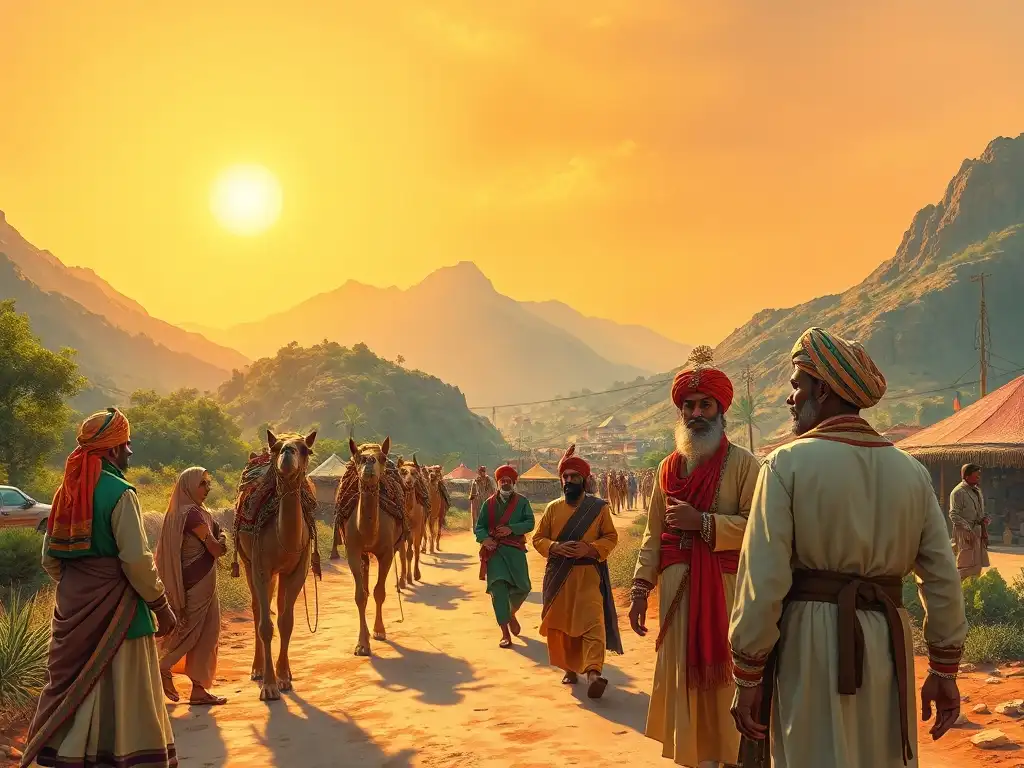
Managing trade routes in ancient India presented a myriad of challenges for leaders, significantly influencing their governance and strategic decisions. The complexities involved not only revolved around the logistics of trade but also encompassed issues of security, diplomacy, and economic stability.
Leaders had to navigate various obstacles, including geographical barriers, fluctuating trade demands, and the ever-present threat of external aggression. Additionally, the integration of diverse cultures along these routes required adept diplomatic skills. The effective management of trade routes thus became a crucial component of leadership strategies, shaping the political and economic landscape of ancient Indian civilizations.
External Threats to Trade Routes
External threats were a persistent concern for leaders overseeing ancient Indian trade routes. These threats emerged in various forms, including invasions, piracy, and competition from rival states.
- Invasions: Various foreign powers sought to control lucrative trade routes, leading to military confrontations. For example, the incursions by the Greeks and later the Kushans disrupted established trade patterns and necessitated military responses from Indian rulers.
- Piracy: The presence of pirates in key waterways posed a significant risk to merchant vessels. Leaders had to allocate resources for naval protection and impose regulations to safeguard trade, ensuring that their economies remained stable.
- Rival States: States such as the Maurya and Gupta Empires often competed for control over essential trade routes. This rivalry led to strategic alliances and conflicts that shaped the political dynamics of the region.
Maintaining Control Over Trade and Resources
Maintaining control over trade and resources required leaders to implement various strategies to ensure the prosperity of their states. This included:
- Infrastructure Development: Leaders invested in building and maintaining roads, ports, and marketplaces, which facilitated smoother trade operations. The construction of the Grand Trunk Road is an example of such initiatives aimed at enhancing connectivity.
- Taxation and Regulation: To manage trade effectively, rulers established taxation systems that could fund military and public works while regulating trade activities. This not only generated revenue but also allowed leaders to exert control over the flow of goods and resources.
- Diplomatic Relations: Establishing diplomatic ties with neighboring states and distant lands was another strategy employed by leaders. By fostering alliances and trade agreements, they could create a more secure trading environment.
The Long-term Impact of Trade Routes on Leadership in Ancient India
The long-term impact of trade routes on leadership strategies in ancient India is multifaceted, influencing the development of political systems, economic policies, and cultural exchanges.
Legacy of Trade Routes in Subsequent Indian Empires
The legacy of trade routes can be seen in the evolution of subsequent Indian empires. Leaders in later periods, such as the Chola and Mughal empires, capitalized on the established trade networks to enhance their power and influence.
- Economic Prosperity: These empires thrived due to their ability to control trade routes, leading to increased wealth and resources that facilitated cultural and architectural achievements.
- Cultural Exchange: Trade routes not only facilitated the exchange of goods but also ideas, religions, and technologies. This cultural diffusion significantly shaped the socio-political landscape of India, impacting governance and societal norms.
Lessons Learned from Ancient Indian Leadership Strategies
Ancient Indian leadership strategies regarding trade routes offer valuable lessons for contemporary governance.
- Adaptability: Leaders who adapted to changing trade dynamics, external threats, and cultural exchanges were more successful. This adaptability remains relevant in today’s globalized world.
- Collaboration and Diplomacy: The importance of building alliances and fostering diplomatic relations is a critical lesson for modern leaders. Collaboration can lead to economic benefits and enhanced security.
- Resource Management: Effective resource management, including infrastructure and human capital, is crucial for sustaining trade and ensuring the prosperity of a nation. Modern leaders can learn from the strategic investments made by ancient Indian rulers to bolster their economies.
The challenges and responses to managing trade routes in ancient India not only shaped immediate leadership strategies but also left a lasting impact on the trajectory of Indian civilization. The lessons drawn from these historical contexts continue to resonate in contemporary governance and trade practices.
Conclusion: The Enduring Influence of Trade Routes on Leadership
The ancient Indian trade routes served as a crucial backbone for the development of leadership strategies across various civilizations in the region. These routes not only facilitated the exchange of goods but also fostered cultural interactions and intellectual exchanges that shaped the socio-political landscape of ancient India.
Leaders who recognized the importance of these trade pathways leveraged them to expand their influence, consolidate power, and enhance their economies. The ability to control and protect these routes often determined the strength and longevity of their reigns, as seen in the strategies employed by figures such as Chandragupta Maurya and Ashoka the Great.
Moreover, the legacy of these trade routes can be observed in the way modern leaders approach globalization and commerce. The principles of negotiation, diplomacy, and strategic partnerships that emerged from ancient trade practices continue to resonate today, underscoring the timeless relevance of these historical trade networks. Ultimately, the impact of ancient Indian trade routes on leadership strategies is not just a relic of the past; it is a continuing narrative that informs contemporary governance and international relations.
Reflecting on the Historical Significance of Trade Routes
Trade routes in ancient India were more than mere pathways for merchants; they were arteries of cultural, religious, and political exchange. The Silk Road and maritime routes connecting India with the Mediterranean, Southeast Asia, and beyond allowed for the flow of not just spices and textiles, but also ideas, philosophies, and technologies. This exchange significantly influenced the leadership styles and strategies of various kingdoms, as rulers often adapted their governance based on the interactions that occurred along these routes.
For instance, the Mauryan Empire, under Chandragupta and later Ashoka, thrived on robust trade networks that enabled them to amass wealth and power. The prosperity generated from these trade routes allowed leaders to invest in infrastructure, such as roads and ports, which further facilitated commerce and strengthened their dominion. Understanding this historical significance provides insight into how leadership strategies were intricately linked to the dynamics of trade, shaping the course of ancient Indian history.
The Modern Relevance of Ancient Indian Trade Route Strategies
The strategic principles derived from ancient Indian trade routes remain relevant in today's globalized world. Modern leaders can glean valuable lessons from the past regarding the importance of connectivity, collaboration, and cultural exchange. The emphasis on building alliances, both regionally and globally, mirrors the historical practices of ancient traders who navigated complex networks of relationships to foster commerce and mutual benefit.
Additionally, the adaptability and resilience demonstrated by ancient leaders in response to changing trade dynamics can inform contemporary strategies in navigating economic challenges and geopolitical shifts. By examining the interplay between trade routes and leadership in ancient India, modern policymakers and leaders can better understand the significance of trade in national development and international diplomacy.
References and Further Reading
Suggested Books and Articles on Ancient Indian Trade
- "The Ancient Indian Economy" by R. S. Sharma - This comprehensive text explores the economic systems of ancient India, emphasizing trade's role in shaping societal structures.
- "Trade and Traders in the Early Indian Ocean" by J. C. Wills - A look into the maritime trade routes and their influence on cultural exchanges and leadership strategies in ancient India.
- "Merchants and Trade Networks in Ancient India" by R. S. Sharma - This book provides insights into how trade networks were established and their impact on political power and governance.
Recommended Historical Texts on Leadership in Ancient India
- "The Arthashastra" by Kautilya (Chanakya) - A foundational text on statecraft and military strategy that illustrates the importance of trade and economics in leadership.
- "The Idea of India" by Sunil Khilnani - This work discusses the historical trajectories of Indian leadership, including the influence of trade on governance.
- "Ashoka: The Search for India's Lost Emperor" by Charles Allen: - A biography focused on Ashoka's reign, highlighting how trade routes played a pivotal role in expanding his empire and influence.
- Introduction to Ancient Indian Trade Routes
- The Role of Trade Routes in Shaping Leadership
- Prominent Leaders and Their Trade Route Strategies
- The Interaction of Trade Routes and Leadership Styles
- Challenges Faced by Leaders in Managing Trade Routes
- The Long-term Impact of Trade Routes on Leadership in Ancient India
- Conclusion: The Enduring Influence of Trade Routes on Leadership
- References and Further Reading
Frequently Asked Questions
What were the primary trade routes in ancient India?
The primary trade routes in ancient India included the Silk Road and maritime paths connecting to Southeast Asia, the Middle East, and beyond, facilitating the exchange of goods and culture.
How did trade routes influence leadership in ancient India?
Trade routes significantly impacted leadership strategies by enhancing economic power and enabling leaders to establish alliances and control over lucrative trade, thus ensuring stability and prosperity.
What goods were commonly traded along these routes?
Ancient Indian traders exchanged a variety of goods, including spices, textiles, precious stones, and metals, which were highly sought after in international markets.
What role did geography play in trade route development?
The geography of ancient India, characterized by mountains, rivers, and coastal areas, facilitated the establishment of trade routes by providing natural pathways for travel and trade.
How did ancient Indian trade impact its culture?
Trade led to cultural exchanges that enriched ancient Indian society, introducing new ideas, religions, and artistic styles, which ultimately shaped its rich and diverse cultural heritage.
Final Reflection: The Enduring Legacy of Ancient Indian Trade Routes
The intricate web of ancient Indian trade routes not only facilitated commerce but also shaped the very fabric of leadership strategies in a dynamic and diverse society. Today, as we navigate a globalized world, the lessons gleaned from these historical pathways resonate profoundly, reminding us that effective leadership is often rooted in connectivity, collaboration, and cultural exchange. The impact of ancient Indian trade routes is not merely a relic of the past; it serves as a guiding principle for contemporary leaders seeking to foster unity and innovation in an increasingly interconnected landscape.
The influence of these trade routes extends far beyond economic transactions; they were conduits of ideas, cultures, and philosophies that enriched the Indian subcontinent and beyond. The leadership strategies that emerged from this vibrant exchange underscore the importance of adaptability and inclusivity in governance. As Mahatma Gandhi once said, "> The best way to find yourself is to lose yourself in the service of others." This sentiment echoes the collaborative spirit that characterized the ancient trade networks, illustrating how leaders who prioritize the collective good can inspire lasting change and resilience within their communities.
As we reflect on the lessons of ancient Indian trade routes, let us embrace the call to action: to cultivate our own networks of collaboration and understanding in our personal and professional lives. Consider how you can apply the principles of connectivity and shared purpose to your leadership approach. By fostering relationships that transcend boundaries and embracing the diverse perspectives around us, we can create a future that honors the rich legacy of our past while paving the way for innovative and inclusive leadership.
Unveil Your Leadership Potential Through Ancient Insights
Thank you for exploring the fascinating intersection of trade routes and leadership strategies in ancient India! By diving into this topic, you've uncovered valuable lessons that can inform modern leadership practices. Now, it’s time to take action and apply these insights to your own journey.
Here are a few ways to put this knowledge into practice:
- Reflect on Your Leadership Style: Identify and implement a strategic approach from ancient leaders that resonates with you.
- Engage in Discussion: Share your thoughts on how trade influenced leadership in ancient India with friends or on social media—start a conversation!
- Explore Further: Delve into more historical resources or books that elaborate on the significance of trade routes and their impact on society.
Which leadership strategies from ancient India do you believe could benefit today’s leaders the most?