
The Intersection of Politics and Religion: The Role of Leaders in Ancient India

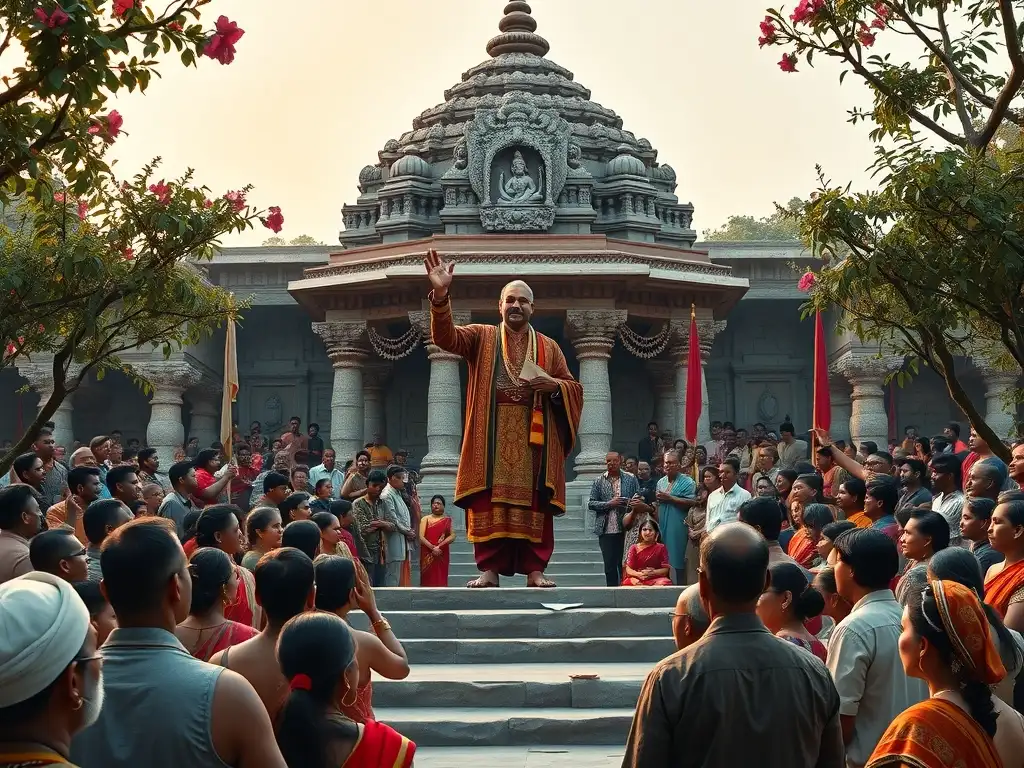
Welcome to Ancient India History, where we embark on a captivating journey through the rich tapestry of time that shaped one of the world's oldest civilizations. Dive deep into our latest exploration, "The Intersection of Politics and Religion: The Role of Leaders in Ancient India," as we unravel the intricate connections between ancient Indian political and religious leaders. Discover how these influential figures not only governed but also guided the spiritual life of their people, leaving a profound legacy that continues to resonate today.
Are you ready to uncover the pivotal moments and remarkable individuals that defined an era? Let’s begin this fascinating exploration together!
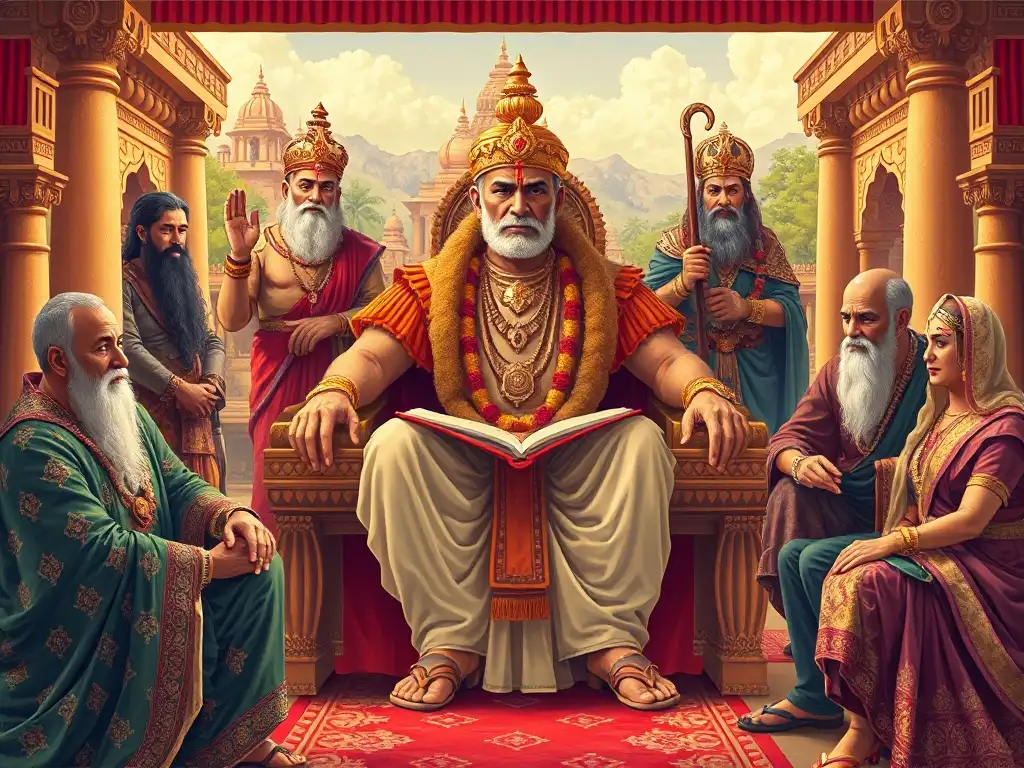
Exploring the intricate relationship between politics and religion is essential to understanding the development of ancient Indian civilizations. From the early days of the Indus Valley Civilization to the expansive reign of the Gupta Empire, leaders played pivotal roles in shaping not only the governance structures but also the spiritual and cultural ethos of society.
This article delves into the lives and influences of ancient Indian political and religious leaders, examining how their decisions intertwined with the religious beliefs of the time, ultimately laying the foundation for the diverse and rich heritage that defines India today. By focusing on key figures and their contributions, we aim to illuminate the profound impact these leaders had on the political landscape and the spiritual lives of their people, as well as the enduring legacy they have left for future generations.
Introduction to Ancient Indian Political and Religious Leaders
Overview of Politics and Religion in Ancient India
In ancient India, the intersection of politics and religion was not merely a backdrop to governance but a fundamental aspect of societal organization. Rulers often derived their authority from divine sanction, positioning themselves as representatives of the gods on Earth. This divine right was reflected in various texts, such as the Arthashastra by Kautilya, which emphasized the importance of dharma (moral duty) in governance.
As a result, political decisions were frequently entwined with religious considerations, leading to a society where the two spheres influenced one another significantly. Leaders like Ashoka the Great, for instance, not only governed vast territories but also championed the spread of Buddhism, demonstrating how political power could shape religious landscapes.
Importance of Leaders in Shaping Societal Norms
The role of leaders in ancient India extended beyond mere governance; they were also custodians of cultural and ethical norms. Their policies and actions often reflected and reinforced the prevailing societal values. For example, the Mauryan and Gupta empires saw leaders who promoted art, literature, and education, aligning with the religious teachings of the time that emphasized knowledge and enlightenment.
Such leaders were instrumental in fostering a sense of identity among their subjects, embedding religious principles into the political framework that governed daily life. The synthesis of political authority and religious legitimacy helped to maintain social order and cohesion, making the leaders crucial figures in the historical narrative of ancient India.
Historical Context of Political and Religious Structures
Early Political Systems in Ancient India
The political landscape of ancient India evolved through various phases, beginning with tribal confederacies and moving towards centralized kingdoms. Early political systems were characterized by the existence of republics (Mahajanapadas) and monarchies, where leaders wielded power in accordance with both political acumen and religious doctrine. These systems laid the groundwork for subsequent empires, such as the Mauryan Empire, which saw the formalization of administrative practices and the integration of religious principles into governance. The role of leaders was paramount in establishing stable governance structures that could effectively manage resources, maintain order, and facilitate trade across the Indian subcontinent.
Religious Institutions and Their Influence on Governance
Religious institutions in ancient India wielded substantial influence over political matters. Temples served not only as places of worship but also as centers of economic activity and social interaction. Leaders often collaborated with religious figures to legitimize their authority and promote societal welfare.
For instance, the patronage of Brahmins and other religious scholars was common among rulers, who recognized the significance of religious endorsement in maintaining their rule. The intertwining of religion and politics created a framework within which leaders navigated their responsibilities, ensuring that both spiritual and temporal needs of their subjects were met. This duality of leadership allowed for a unique governance model that deeply influenced the cultural and historical trajectory of ancient India.
Prominent Ancient Indian Political and Religious Leaders
Throughout ancient Indian history, various political and religious leaders emerged, playing pivotal roles in shaping the cultural and spiritual landscape of the subcontinent. These leaders were often intertwined, with many holding dual roles as both political rulers and religious figures. Notable leaders such as Ashoka the Great, Chandragupta Maurya, and the Gupta emperors not only governed vast territories but also influenced religious practices and beliefs, thereby leaving a lasting legacy on Indian civilization.
- Ashoka the Great: Perhaps the most renowned Mauryan emperor, Ashoka's conversion to Buddhism after the Kalinga War marked a significant shift in the political-religious dynamic of ancient India. His efforts in promoting Buddhism through edicts and missionary activities led to the spread of the religion beyond Indian borders.
- Chandragupta Maurya: The founder of the Maurya Empire, Chandragupta played a crucial role in establishing a centralized state that allowed for the integration of diverse religious beliefs. His relationship with the philosopher Chanakya also highlighted the importance of political strategy in governance.
- Gupta Emperors: The Gupta period is often referred to as a golden age in Indian history, characterized by advancements in art, science, and philosophy. The Gupta emperors, particularly Chandragupta II and Samudragupta, actively patronized Hinduism and the arts, reinforcing the religion's prominence during their reigns.
The Impact of Mauryan Leaders on Religion and Politics
The Mauryan Empire significantly influenced the relationship between politics and religion in ancient India. Under Ashoka's leadership, the principles of Dharma were integrated into governance, emphasizing moral and ethical conduct. This marked a departure from the preceding era, where political power was often exercised through military strength and territorial expansion.
- Ashoka's Edicts: The edicts inscribed on pillars and rocks throughout his empire served not only as legal codes but also as moral guidelines derived from Buddhist teachings. This approach demonstrated how political authority could be harmonized with religious values, encouraging subjects to adopt ethical living.
- Promotion of Buddhism: Ashoka's commitment to non-violence and compassion led to the establishment of Buddhist monasteries and stupas, fostering a culture of learning and spiritual development. His reign exemplified how a ruler's religious beliefs could shape state policies and societal norms.
The Role of Gupta Emperors in Religious Patronage
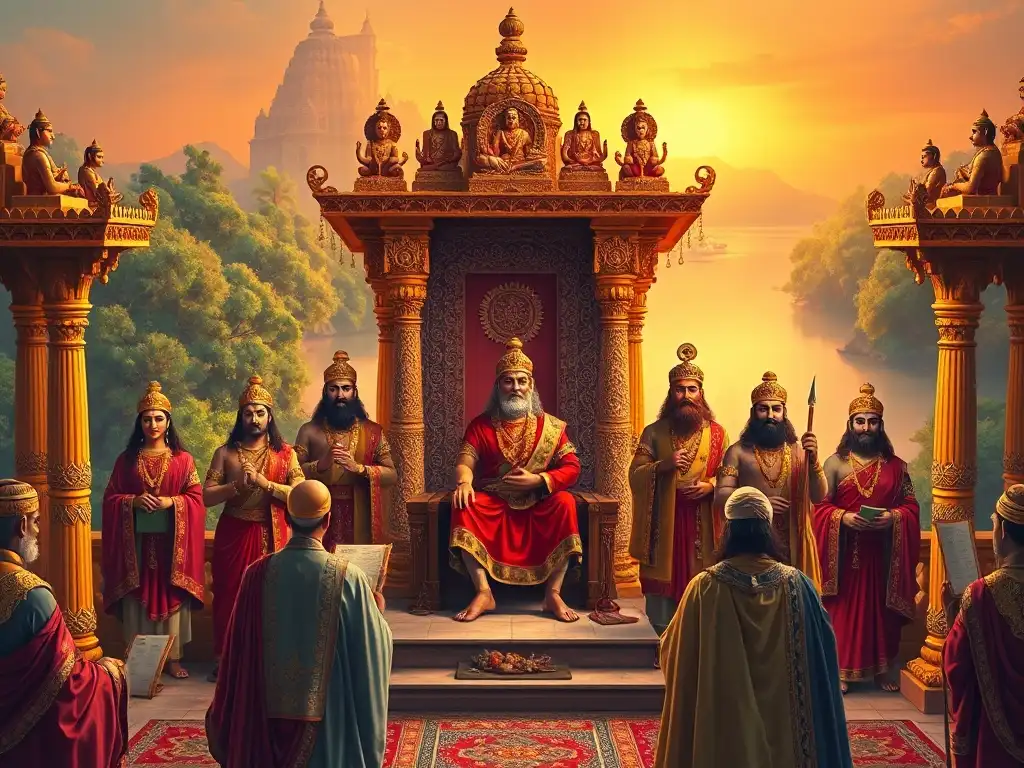
The Gupta period (circa 320-550 CE) is marked by a resurgence of Hinduism and significant religious patronage by its emperors. This era witnessed the flourishing of arts, literature, and temple architecture, all heavily influenced by religious themes.
- Chandragupta II: Known for his support of Hinduism and the arts, Chandragupta II's reign saw the construction of magnificent temples and the patronage of scholars such as Kalidasa. His association with the divine was often depicted in the art and literature of the time, reinforcing the idea of the king as a god-like figure.
- Samudragupta: Often referred to as the "Napoleon of India," Samudragupta's military campaigns and subsequent patronage of religious institutions established a precedent for the integration of political power and religious authority. His inscriptions reflect a ruler who embraced diverse religious practices while predominantly supporting Hinduism.
The Interplay Between Religion and Politics
The interplay between religion and politics in ancient India was intricate and multifaceted. Leaders often utilized religious ideologies to legitimize their rule and unify their subjects, creating a complex relationship that significantly influenced governance.
How Religion Shaped Political Decisions
Religion played a critical role in informing the political decisions of ancient Indian leaders. Rulers often sought the endorsement of religious figures or texts to justify their authority and policies.
- Divine Right of Kings: Many leaders claimed divine sanction for their rule, believing that they were chosen by the gods. This concept not only legitimized their authority but also instilled a sense of duty among the populace to adhere to the rulers' decisions.
- Religious Counsel: Political leaders frequently consulted religious advisors to guide their decisions, especially during times of crisis. The incorporation of religious counsel into governance underscored the belief that the well-being of the state was intertwined with spiritual harmony.
Political Movements Driven by Religious Ideologies
Throughout ancient Indian history, several political movements emerged, fueled by religious ideologies. These movements often sought to address social injustices or unify diverse groups under a common spiritual banner.
- Buddhist Reform Movements: The rise of Buddhism presented an alternative to the existing Vedic traditions, leading to significant socio-political changes. Leaders like Ashoka championed these reforms, which aimed to promote equality and compassion, challenging the rigid social hierarchies prevalent at the time.
- Hindu Revivalism: During the Gupta period, a resurgence of Hinduism was marked by the establishment of various sects and the construction of temples. This revival was not merely a religious phenomenon but also a political strategy to consolidate power and promote cultural identity against competing beliefs.
The relationship between politics and religion in ancient India was characterized by a dynamic interplay, where leaders utilized their religious affiliations to enhance their political authority and foster unity among diverse populations. The legacies of these ancient political and religious leaders continue to shape the cultural and spiritual fabric of India today.
Case Studies of Influential Leaders
The history of ancient India is marked by the profound impact of its political and religious leaders, whose actions and ideologies shaped the cultural and historical landscape of the subcontinent. Two of the most notable figures from this period are Ashoka the Great and Chandragupta II, both of whom exemplified the intricate relationship between governance and spirituality in their reigns. By examining their contributions and the philosophies they endorsed, we can gain insight into how leadership during this era was not only a matter of political authority but also intertwined with religious beliefs and values.
Analysis of Ashoka's Edicts and Their Religious Significance
Emperor Ashoka, who ruled in the 3rd century BCE, is renowned for his conversion to Buddhism after witnessing the devastation of the Kalinga War. His edicts, inscribed on pillars and rocks across his empire, serve as a significant historical document reflecting his commitment to the principles of Dharma (moral law) and non-violence.
The edicts articulate a vision of governance rooted in ethical conduct and compassion. For instance, Ashoka emphasized the importance of ahimsa (non-harm) and sought to promote welfare among his subjects, advocating for the welfare of humans and animals alike. This marked a shift from traditional military conquests to a more humanitarian approach to leadership. His proclamations also encouraged religious tolerance, as he recognized the value of various faiths, fostering an environment where Buddhism could flourish alongside Hinduism and Jainism.
Furthermore, Ashoka's efforts to spread Buddhism beyond India, through missionaries and the establishment of stupas, illustrate how his leadership was intrinsically linked to religious propagation. His legacy as a ruler who blended political authority with spiritual guidance resonates through the ages, showcasing the potential for leaders to effectuate positive change by aligning their political agendas with moral values.
Chandragupta II: Balancing Political Power and Religious Harmony
Chandragupta II, also known as Vikramaditya, ruled during the Gupta Empire in the 4th century CE and is celebrated for his prowess in unifying a vast territory under a stable political system. His reign is often associated with a golden age of cultural and scientific advancements, but his political acumen was equally matched by his understanding of the religious dynamics of the time.
Chandragupta II adopted a policy of religious pluralism, promoting both Hinduism and Buddhism while simultaneously respecting Jainism. This balance is evident in his patronage of various scholars and artists, which facilitated a flourishing of literature, art, and philosophy. His court became a melting pot of ideas, where thinkers like Kalidasa thrived, contributing to a rich cultural tapestry.
Moreover, the emperor's support for the construction of temples and educational institutions reflected his recognition of the role that religion played in maintaining social cohesion and promoting loyalty among diverse populations. By fostering an environment where different faiths could coexist, Chandragupta II not only strengthened his political authority but also laid the groundwork for a society characterized by cultural richness and religious tolerance.
The Legacy of Ancient Indian Political and Religious Leaders
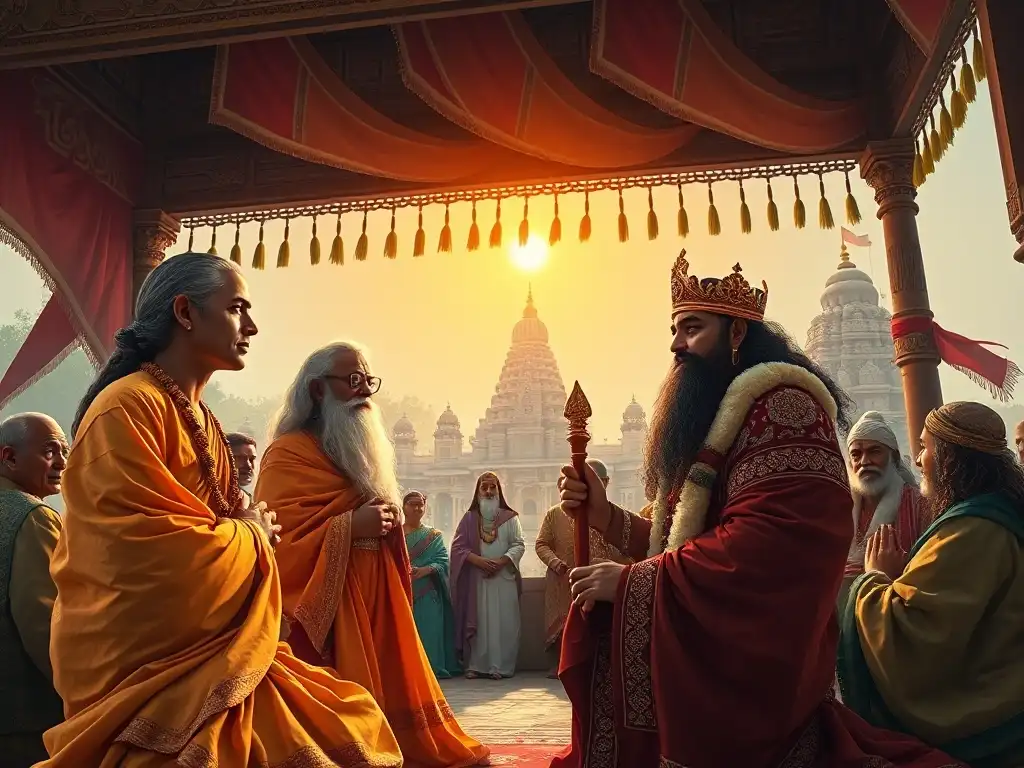
The influence of ancient Indian political and religious leaders extends far beyond their temporal reigns, leaving an indelible mark on the socio-political fabric of contemporary India. Their philosophies and governance models continue to resonate, providing valuable lessons for modern society.
Lasting Influence on Modern Indian Society
The legacies of leaders like Ashoka and Chandragupta II are evident in the principles of governance and social harmony that persist in modern India. Ashoka's emphasis on non-violence has inspired various movements for peace and civil rights, echoing in the philosophies of figures like Mahatma Gandhi. The ideals of religious tolerance and ethical governance championed by these rulers are foundational to India's secular constitution, promoting coexistence among diverse faiths.
Moreover, the cultural achievements during their reigns, particularly in literature, art, and architecture, continue to be celebrated as part of India's rich heritage. Festivals, rituals, and traditions that emerged during their times still play a significant role in contemporary Indian culture, reflecting the enduring connection between the past and present.
Lessons from Ancient Leadership in Contemporary Politics
The ancient Indian leaders exemplify the importance of ethical leadership and the integration of spiritual values in governance. Their approaches offer critical lessons for modern politicians, emphasizing the necessity of empathy, ethical conduct, and inclusive policies.
In a world often marked by political strife and division, the ability to foster unity through respect for diverse beliefs remains paramount. Leaders today can draw from the ancient wisdom of balancing power with compassion, using their platforms to advocate for social justice, environmental sustainability, and the welfare of all citizens. By embracing these lessons, contemporary leaders can aspire to create a society that mirrors the harmony and cultural richness once achieved in ancient India.
Conclusion: The Enduring Relationship Between Politics and Religion in India
The interplay between politics and religion has been a defining characteristic of Indian civilization since ancient times. Leaders in ancient India often wielded religious authority alongside political power, creating a complex tapestry where governance was influenced by spiritual beliefs. This intertwining facilitated a unique form of leadership, where rulers were seen as divine or semi-divine figures, tasked not only with political governance but also with maintaining societal order through religious principles.
Such leaders, from the Mauryan emperors like Ashoka to the Gupta rulers, exemplified the integration of political and religious responsibilities. Their reigns were marked by policies that reflected a commitment to dharma (righteousness) and moral governance, showcasing how deeply ingrained religious concepts shaped political decisions. This enduring relationship continues to influence contemporary Indian society, where the legacy of ancient political and religious leaders can still be felt in modern governance and societal values.
Reflection on the Role of Leaders in Ancient Indian Civilization
Leaders in ancient India were pivotal in shaping the socio-political landscape of their times. They were not merely political figures; they were also custodians of culture and religion. The role of leaders like Chandragupta Maurya, who founded the Maurya Empire, or Ashoka, who promoted Buddhism, illustrates the dual responsibilities of governance and spiritual leadership.
These leaders often utilized religious texts and principles to justify their rule and policies. For instance, Ashoka's edicts emphasized non-violence and compassion, reflecting Buddhist values that resonated with the populace. The use of religious narratives allowed these leaders to legitimize their authority and maintain social cohesion, demonstrating how intertwined leadership and religious belief were in ancient India.
Furthermore, the patronage of religion by rulers facilitated the flourishing of art, architecture, and literature, contributing to a rich cultural heritage. Temples, sculptures, and inscriptions from these periods reveal the profound influence of leaders on the religious landscape, showcasing their role as both political and spiritual guides.
Future Implications for Understanding Leadership Dynamics
Understanding the dynamics between politics and religion in ancient India provides valuable insights into contemporary governance and leadership theories. Leaders today can learn from ancient models that integrated ethical and moral frameworks into political decision-making. The ancient Indian approach highlights the importance of leaders embodying the values they promote, fostering trust and legitimacy within their communities.
Moreover, as societies become increasingly pluralistic, the historical relationship between politics and religion can inform modern leaders on how to navigate complex social landscapes. By recognizing the historical precedents set by ancient leaders, contemporary figures can better appreciate the significance of cultural and religious contexts in political discourse and policy-making.
In examining ancient Indian leadership, we uncover patterns and lessons that remain relevant. The balance between secular governance and religious influence continues to be a pressing issue in many parts of the world, and the experiences of ancient Indian leaders offer a framework for exploring these challenges.
References for Further Reading on Ancient Indian Political and Religious Leaders
Recommended Books and Articles on Ancient Indian History
- "The Wonder That Was India" by A. L. Basham - This book provides a comprehensive overview of ancient Indian civilization, including the role of its leaders.
- "Ancient India" by Romila Thapar - Thapar's work offers insights into the socio-political structures of ancient India, emphasizing the significance of political and religious leaders.
- "The Mauryan Empire" by R. C. Sharma - This text delves into the political dynamics of the Mauryan period, focusing on the contributions of key leaders like Ashoka.
Online Resources for Exploring Ancient Indian Leadership
- Ancient India: A Historical Overview: - An online portal providing articles and resources on various aspects of ancient Indian history, including political and religious leadership.
- Digital South Asia Library - A resource with a wealth of primary texts and documents related to ancient Indian history, including writings on notable leaders and their impact.
- The Indian History Congress - Offers access to research papers and proceedings that discuss various topics, including the intersection of politics and religion in ancient India.
These resources can serve as valuable starting points for those interested in exploring the intricate relationship between political and religious leaders in ancient India.
- Introduction to Ancient Indian Political and Religious Leaders
- Historical Context of Political and Religious Structures
- Prominent Ancient Indian Political and Religious Leaders
- The Impact of Mauryan Leaders on Religion and Politics
- The Role of Gupta Emperors in Religious Patronage
- The Interplay Between Religion and Politics
- Case Studies of Influential Leaders
- The Legacy of Ancient Indian Political and Religious Leaders
- Conclusion: The Enduring Relationship Between Politics and Religion in India
- References for Further Reading on Ancient Indian Political and Religious Leaders
- What were the main political structures in ancient India?
- Who were some prominent political leaders in ancient India?
- How did religion influence political leadership in ancient India?
- What role did religious leaders play in ancient Indian society?
- How did the Gupta Empire exemplify the relationship between politics and religion?
Frequently Asked Questions
What were the main political structures in ancient India?
Ancient India featured diverse political structures, including kingdoms, empires, and republics. Notable examples include the Maurya and Gupta empires, which showcased strong centralized power.
Who were some prominent political leaders in ancient India?
Prominent political leaders included Chandragupta Maurya, who founded the Maurya Empire, and Samudragupta, known for his military conquests. Their leadership significantly shaped ancient Indian political landscapes.
How did religion influence political leadership in ancient India?
Religion played a crucial role in legitimizing political authority. Leaders often used religious principles to justify their rule, while religious texts guided their governance and decision-making processes.
What role did religious leaders play in ancient Indian society?
Religious leaders were influential figures who often held significant power. They acted as spiritual guides and were involved in political affairs, impacting both governance and social norms.
How did the Gupta Empire exemplify the relationship between politics and religion?
The Gupta Empire is known for its patronage of Hinduism, which strengthened the political authority of its leaders. This era saw a flourishing of art, culture, and religious practices, intertwining governance with religious values.
Final Reflection: The Enduring Legacy of Ancient Indian Political and Religious Leaders
The intersection of politics and religion in ancient India remains profoundly relevant today, as we navigate a world where leadership is often defined by ideological divides. The intricate relationship between these two spheres shaped not only the governance of ancient kingdoms but also the spiritual and cultural fabric of society. As we reflect on the roles of leaders from this era, we recognize that their legacies continue to influence contemporary political and religious dialogues, reminding us of the power of leadership in shaping collective identity.
The impact of ancient Indian political and religious leaders is evident in the ongoing conversations about governance, morality, and community values. Their ability to intertwine spiritual beliefs with political authority has set a precedent for modern leaders, who often grapple with similar challenges. As Mahatma Gandhi once said, "> The best way to find yourself is to lose yourself in the service of others." This sentiment echoes the essence of ancient leaders who prioritized the welfare of their people, illustrating the timeless nature of their influence on our social landscape.
As we conclude this exploration, I invite you to reflect on the lessons drawn from the lives of these ancient leaders. Consider how their principles of leadership, rooted in a deep understanding of both political and spiritual realms, can inspire your own journey. In a world that often feels divided, let us strive to embody the values of compassion, integrity, and service that these leaders exemplified, fostering a more harmonious society for future generations.
Unveil the Lessons from Ancient Leaders!
Thank you for diving into the rich tapestry of how politics and religion intertwined in ancient India. By exploring this fascinating topic, you now have valuable insights into the crucial roles leaders played in shaping society. Ready to take the next step? Here’s how you can deepen your understanding and engage with this historical narrative:
- Reflect on the lessons of ancient leaders: Select a leader mentioned in the article and consider how their values and decisions can inform your own leadership style today.
- Explore further: Visit our website to discover more articles on influential figures in ancient Indian history and their lasting impact on society.
- Join the conversation: We invite you to share your thoughts in the comments below about which ancient leader you believe had the most significant influence on the relationship between politics and religion!
What insights can you draw from these historical figures that might inspire your actions in contemporary discussions about leadership and ethics?