
The Influence of Jain Leaders in Shaping Ancient Indian Thought

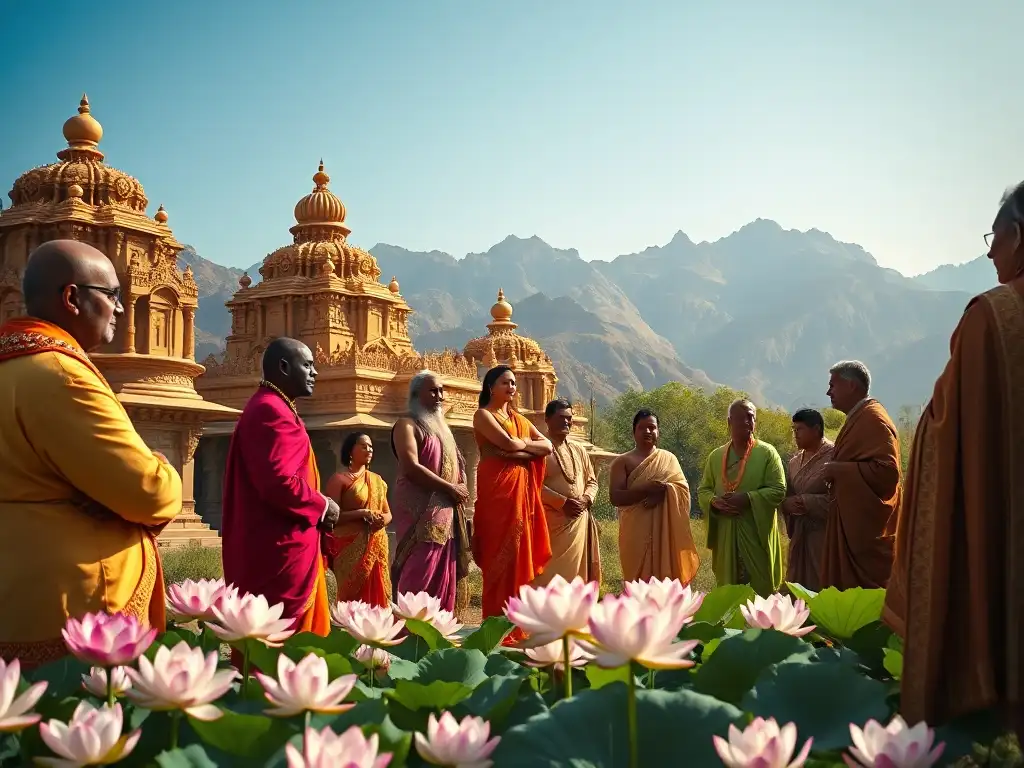
Welcome to Ancient India History, where we embark on a captivating journey through the rich tapestry of ancient Indian civilizations! In this exploration, we shine a spotlight on the Jain leaders in ancient India, whose profound influence shaped the very essence of Indian thought and culture. What innovative philosophies did these leaders introduce, and how did their teachings resonate through the ages?
Dive into our main article, "The Influence of Jain Leaders in Shaping Ancient Indian Thought," to uncover the remarkable contributions of these key historical figures and discover how their legacies continue to inspire us today. Your adventure into the depths of India's past begins now!
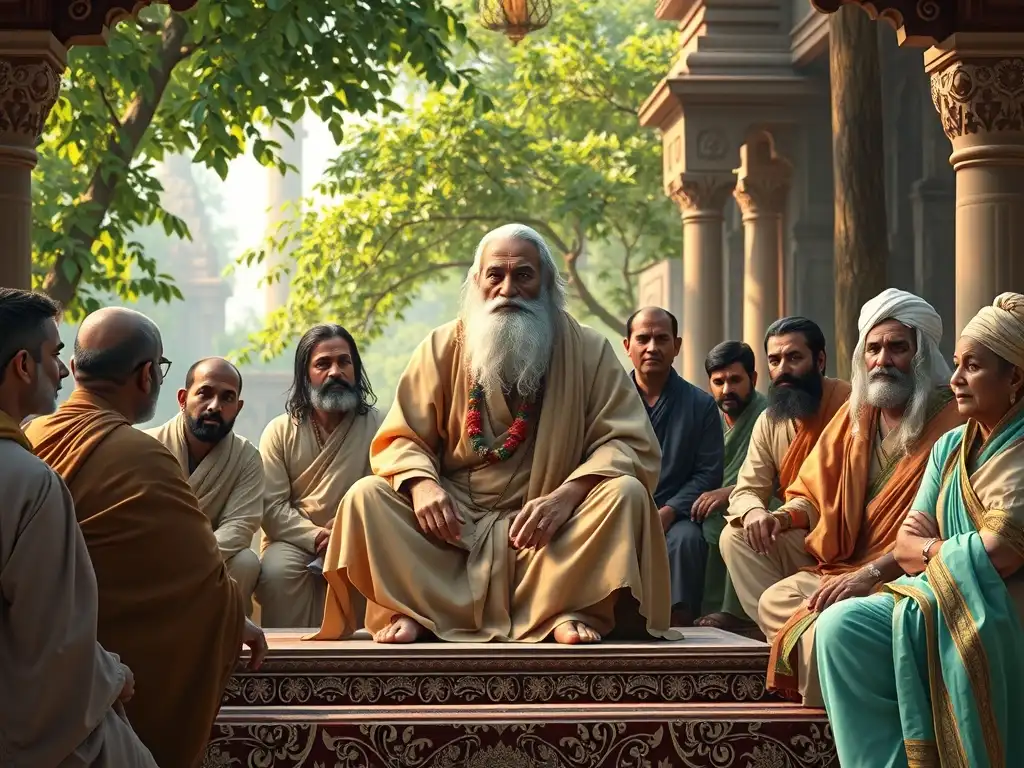
Introduction to Jain Leaders in Ancient India
The influence of Jain leaders in ancient India is a profound chapter in the narrative of Indian philosophy and culture. Jainism, one of the oldest religions in India, emphasizes non-violence, truth, and asceticism, shaping not only spiritual practices but also societal norms and ethics.
This article delves into the pivotal roles played by Jain leaders, who were instrumental in disseminating these values and contributing to various aspects of ancient Indian society. From the Indus Valley Civilization through the Gupta Empire, Jain leaders have left an indelible mark on the philosophical landscape of ancient India, influencing a wide array of disciplines including politics, art, and education.
Overview of Jainism and Its Philosophical Foundations
Jainism is characterized by its core tenets, which revolve around the concept of ahimsa (non-violence), satya (truth), and aparigraha (non-possessiveness). The philosophical foundation of Jainism is rooted in the belief of the eternal soul and the cycle of birth, death, and rebirth (samsara). Jain philosophy also emphasizes self-discipline and asceticism as means to attain liberation (moksha).
- Key Concepts:
- Ahimsa: The principle of non-violence towards all living beings.
- Anekantavada: The doctrine of non-absolutism, promoting the understanding that truth can be perceived from multiple viewpoints.
- Karma: The belief in the cause and effect of one's actions, influencing future births.
Importance of Jain Leaders in Historical Context
Jain leaders emerged during pivotal moments in ancient Indian history, providing guidance that shaped not only religious practices but also social and political landscapes. Their teachings encouraged ethical governance and the establishment of just societies. The emphasis on non-violence significantly influenced contemporary rulers and thinkers, making Jain leaders essential figures in the broader tapestry of Indian thought.
- Influential Roles:
- Advocated for peaceful coexistence among different religions and cultures.
- Contributed to the development of art and architecture, particularly evident in the numerous Jain temples that dot the Indian landscape.
- Their teachings influenced the Mughal emperors and later leaders, promoting a culture of tolerance and coexistence.
Key Jain Leaders and Their Contributions
Throughout history, several Jain leaders have emerged as pivotal figures, each contributing uniquely to the philosophical and cultural heritage of ancient India.
Mahavira: The Last Tirthankara
Mahavira, often regarded as the last Tirthankara, played a crucial role in the establishment and propagation of Jainism. Born around 599 BCE, Mahavira's teachings emphasized intense asceticism and profound insights into the nature of reality and the soul. His life and philosophy have inspired countless followers, leading to a rich tradition of Jain scholarship.
- Contributions:
- Formulated the core philosophical doctrines of Jainism.
- Promoted the concept of non-violence as a fundamental principle for all living beings.
- His teachings were compiled into texts such as the Agamas, which serve as foundational scriptures for Jain beliefs.
Parshva: The Predecessor of Mahavira
Parshva, who lived around the 8th century BCE, is recognized as the 23rd Tirthankara and a significant precursor to Mahavira. His philosophies laid the groundwork for many of the principles that Mahavira expanded upon.
- Contributions:
- Introduced the four great vows: non-violence, truth, non-stealing, and celibacy.
- Advocated for asceticism and meditative practices, influencing the spiritual discipline of Jain monks and nuns.
Other Notable Jain Figures
In addition to Mahavira and Parshva, numerous other Jain leaders have contributed to the rich tapestry of Jain philosophy and practice.
- Examples include:
- Ainara: A prominent figure known for his contributions to Jain literature and ethics.
- Siddhanta: Influenced the development of Jain cosmology and metaphysics.
These leaders have collectively shaped the ethical and philosophical landscape of ancient India, demonstrating the enduring influence of Jain thought throughout history.
By exploring the contributions of Jain leaders, we can gain a deeper understanding of their pivotal role in the evolution of ancient Indian thought, revealing the intricate connections between spirituality, ethics, and governance that continue to resonate today.
The Impact of Jain Leaders on Ancient Indian Philosophy
Jain leaders have played a pivotal role in shaping the philosophical landscape of ancient India. Their teachings, centered on the principles of ahimsa (non-violence), anekantavada (non-absolutism), and aparigraha (non-possessiveness), have significantly influenced various aspects of Indian thought. The core tenet of non-violence, in particular, not only impacted the moral frameworks of other philosophical schools but also laid the groundwork for ethical conduct in society.
Jain thinkers like Mahavira and Parshvanatha offered profound insights into the nature of reality and the self. Their emphasis on introspection and self-discipline encouraged individuals to explore the depths of their consciousness, fostering a rich tradition of meditation and ascetic practices. This intellectual pursuit contributed to a broader understanding of existential questions and the nature of liberation, which resonated with many thinkers across different schools of thought.
Furthermore, the impact of Jain philosophy extended beyond metaphysical inquiries. Jain leaders advocated for a lifestyle that harmonized spiritual, ethical, and environmental principles. This holistic approach not only enriched Indian philosophy but also encouraged a sustainable way of living, which is still relevant today.
Integration of Jain Ideas into Indian Intellectual Tradition
The integration of Jain ideas into the broader Indian intellectual tradition is evident in various texts and teachings that emerged in ancient India. Jain philosophy, with its rigorous logical structure, influenced key texts such as the Upanishads and the Bhagavad Gita. Scholars and philosophers often engaged with Jain concepts, leading to a synthesis of ideas that enriched the overall discourse on ethics, metaphysics, and epistemology.
One notable example is the incorporation of anekantavada, or the concept of multiple perspectives, into Buddhist and Hindu philosophical discussions. This idea encouraged critical thinking and open-mindedness, fostering a culture of debate and discussion that was vital for the evolution of Indian philosophy. The acceptance of diverse viewpoints helped in crafting a more nuanced understanding of truth and reality, which became a hallmark of Indian intellectual traditions.
Additionally, Jain thinkers contributed to the development of logic and epistemology in ancient India. Their systematic approach to argumentation and analysis was instrumental in shaping the methodologies employed by subsequent philosophers, including those in the Nyaya school of thought. This cross-pollination of ideas illustrates the dynamic interplay between Jainism and other philosophical schools, highlighting the richness of ancient Indian intellectual life.
Influence on Other Philosophical Schools (Buddhism, Hinduism)
The influence of Jain leaders on other philosophical schools, particularly Buddhism and Hinduism, is both profound and multifaceted. While Jainism and Buddhism share common origins and ethical frameworks, Jain leaders emphasized non-violence to an extent that sometimes diverged from Buddhist interpretations. For instance, the rigorous adherence to non-violence in Jain practice influenced Buddhist leaders to adopt similar principles, which ultimately shaped Buddhist monastic codes and ethical teachings.
In Hinduism, the concepts of ahimsa and samsara (the cycle of birth and rebirth) were deeply influenced by Jain thought. The teachings of Jain leaders served as a catalyst for reform within Hinduism, particularly during the period of the Bhakti movement, where the notions of compassion and social justice gained prominence. Notably, figures like Ravidas and Kabir incorporated Jain ideals into their teachings, advocating for a more inclusive and empathetic approach to spirituality.
Moreover, the discussions around the nature of the soul and liberation in Jain philosophy contributed to Hindu metaphysical debates. Jain leaders’ emphasis on the individual soul's journey towards liberation resonated with Hindu thinkers, leading to a more profound exploration of the concepts of moksha (liberation) and karma (action and its consequences).
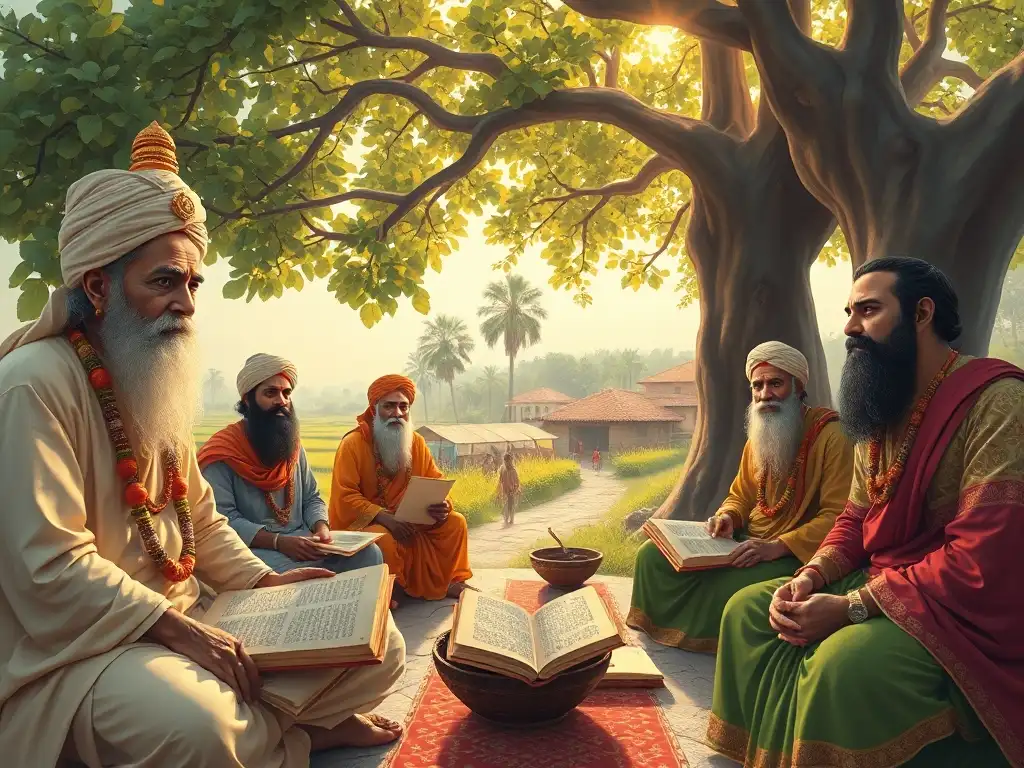
Jain leaders were not only philosophers but also social reformers who sought to address social injustices and promote ethical living. Their advocacy for non-violence and compassion served as a foundation for broader social reforms in ancient Indian society. By prioritizing social harmony and ethical conduct, Jain leaders contributed significantly to the evolution of social norms and values.
Advocacy for Non-violence and Compassion
The advocacy for non-violence and compassion by Jain leaders was instrumental in shaping social attitudes in ancient India. Mahavira, in particular, emphasized that true spirituality cannot exist without a commitment to non-violence, urging followers to practice compassion towards all living beings. This principle extended beyond personal behavior to influence societal norms, encouraging individuals to adopt a lifestyle that minimizes harm to others and the environment.
Jain leaders also established communities and institutions that embodied these values, promoting education and awareness regarding the importance of compassion. Their teachings inspired various social movements aimed at reducing violence and fostering peaceful coexistence among diverse communities. This commitment to non-violence became a cornerstone of Indian culture, influencing later leaders such as Mahatma Gandhi, who drew heavily on Jain principles in his own philosophy of peaceful resistance.
Contribution to Social Justice and Equality
In addition to promoting non-violence, Jain leaders made significant contributions to social justice and equality in ancient India. The Jain community has historically advocated for the rights of marginalized groups, emphasizing the inherent dignity and worth of every individual. This focus on equality is evident in the Jain principle of samyak darshana (right perception), which encourages individuals to recognize the interconnectedness of all life.
Jain leaders actively participated in social reform movements that challenged the rigid caste system, promoting inclusivity and equal treatment for all. Their emphasis on ethical living and social responsibility inspired many to work towards a more just society. Notable Jain figures, such as Shanti Swarup Bhatnagar, have been instrumental in advocating for educational reforms and social equity, ensuring that the values of Jainism permeated various aspects of society.
The enduring legacy of Jain leaders in social reform is reflected in the continued relevance of their teachings in contemporary discussions around social justice, equality, and environmental stewardship. Their commitment to fostering a compassionate and equitable society continues to inspire movements and individuals striving for positive change in modern times.
The Legacy of Jain Leaders in Shaping Modern Thought
The legacy of Jain leaders extends far beyond their immediate historical context. Their philosophical insights and ethical teachings have significantly influenced various aspects of modern thought, including ethics, environmentalism, and non-violence. Jainism, with its core principles of ahimsa (non-violence), anekantavada (many-sidedness), and aparigraha (non-possessiveness), offers a framework that resonates with contemporary issues such as social justice and ecological sustainability.
In a world increasingly marked by conflict and environmental degradation, the teachings of Jain leaders serve as a guide for peaceful coexistence and responsible stewardship of the Earth. The commitment of Jain leaders to non-violence, not only in human interactions but also in relation to all living beings, has inspired modern movements advocating for animal rights and environmental conservation.
Moreover, the emphasis on ethical living espoused by Jain thinkers lays the groundwork for discussions on moral philosophy and sustainable practices in various fields today. Their influence can be seen in both spiritual and secular contexts, reinforcing the relevance of Jain thought in the modern world.
Continuing Influence of Jain Principles in Contemporary Society
Jain principles have found their way into numerous contemporary movements and ideologies, shaping how individuals and societies approach ethical dilemmas. The principle of ahimsa, or non-violence, remains a cornerstone of various peace movements, including those led by figures like Mahatma Gandhi, who drew heavily from Jain teachings.
In addition, the concept of aparigraha, which advocates for minimalism and detachment from material possessions, is gaining traction in today's consumer-driven society. Many people are turning to minimalist lifestyles as a way to combat the stress of modern living and to cultivate deeper connections with themselves and their communities.
Furthermore, the Jain emphasis on anekantavada encourages open-mindedness and dialogue in an increasingly polarized world. This principle promotes understanding and acceptance of diverse perspectives, which is crucial for fostering cooperation and harmony in multicultural societies. The growing interest in interfaith dialogues and conflict resolution strategies reflects the lasting impact of Jain philosophy on contemporary social issues.
Relevance of Jain Leaders' Teachings Today
The teachings of Jain leaders are acutely relevant in addressing contemporary challenges such as climate change, social inequality, and ethical governance. Their advocacy for non-violence and compassion serves as a moral compass for individuals and organizations striving to create a more equitable and sustainable world.
In the realm of environmentalism, Jain principles encourage holistic approaches to ecological conservation, urging individuals to respect all forms of life and to recognize the interconnectedness of ecosystems. Jain leaders have inspired movements focused on sustainable agriculture, water conservation, and biodiversity preservation, reinforcing their relevance in today's urgent environmental discourse.
Additionally, the ethical frameworks provided by Jain leaders contribute to discussions on corporate social responsibility and ethical business practices. By promoting transparency, accountability, and a commitment to social good, the teachings of Jain leaders help guide modern enterprises toward more ethical operational models.
Conclusion: The Enduring Influence of Jain Leaders in Ancient Indian Thought
The influence of Jain leaders in ancient India is profound and far-reaching, shaping not only the spiritual landscape of their time but also laying the groundwork for future philosophical and ethical thought. Their teachings continue to resonate, providing timeless insights that remain applicable in contemporary society.
Summary of Key Contributions and Philosophical Insights
Jain leaders made significant contributions to the fields of philosophy, ethics, and social thought. Their emphasis on ahimsa has influenced numerous social reform movements, while anekantavada has set a precedent for pluralistic thinking and respectful dialogue. The principle of aparigraha has fostered a consciousness around consumption and materialism, encouraging a more mindful way of living.
Through their teachings, Jain leaders have highlighted the importance of compassion, respect for life, and the pursuit of truth—a legacy that continues to inspire individuals and movements in the modern world.
Reflection on the Importance of Jain Leaders in Understanding Ancient India
Understanding the role of Jain leaders in ancient India is crucial for a comprehensive view of the region's philosophical heritage. Their contributions illuminate the rich tapestry of thought that characterizes ancient Indian civilization. By studying their lives and teachings, we gain valuable insights into the values and beliefs that shaped not only Jainism but also influenced Hinduism, Buddhism, and the broader cultural milieu of ancient India.
The enduring influence of Jain leaders invites us to reflect on the importance of ethical living and the pursuit of wisdom, reminding us that the lessons of the past remain relevant as we navigate the complexities of our modern existence.
- Introduction to Jain Leaders in Ancient India
- Key Jain Leaders and Their Contributions
- The Impact of Jain Leaders on Ancient Indian Philosophy
- Jain Leaders and Social Reform in Ancient India
- The Legacy of Jain Leaders in Shaping Modern Thought
- Conclusion: The Enduring Influence of Jain Leaders in Ancient Indian Thought
- What role did Jain leaders play in ancient Indian society?
- How did Jain philosophy influence other religious traditions in ancient India?
- Who were some notable Jain leaders in ancient India?
- What contributions did Jain leaders make to ancient Indian art and architecture?
- How did Jainism interact with politics during ancient India?
Frequently Asked Questions
What role did Jain leaders play in ancient Indian society?
Jain leaders were instrumental in promoting ethical values, non-violence, and spiritual teachings that significantly shaped the moral fabric of ancient Indian society.
How did Jain philosophy influence other religious traditions in ancient India?
The principles of Jain philosophy, particularly the concepts of ahimsa (non-violence) and anekantavada (multiple viewpoints), greatly influenced other religions, including Buddhism and Hinduism.
Who were some notable Jain leaders in ancient India?
Prominent Jain leaders include Mahavira, the 24th Tirthankara, and Haribhadra, a key figure in the development of Jain literature and philosophy.
What contributions did Jain leaders make to ancient Indian art and architecture?
Jain leaders inspired the creation of remarkable temples, sculptures, and manuscripts, showcasing intricate artistry and profound spiritual themes that reflect their cultural values.
How did Jainism interact with politics during ancient India?
Jain leaders often held significant political influence, advising rulers and promoting policies that aligned with Jain principles, thereby shaping governance and societal norms.
Final Reflection: The Enduring Legacy of Jain Leaders in Ancient India
The profound impact of Jain leaders in shaping ancient Indian thought remains remarkably relevant today, as their teachings continue to inspire contemporary discussions on ethics, non-violence, and coexistence. In a world increasingly divided by conflict and misunderstanding, the principles espoused by these leaders serve as a beacon of hope and a reminder of the power of compassion and wisdom. Their legacy is not merely a relic of history but a living testament to the potential for positive change in our societies.
The influence of Jain leaders transcends time, weaving their philosophies into the very fabric of Indian culture and beyond. Their emphasis on non-violence and respect for all living beings has resonated through generations, shaping not only religious thought but also social and political movements. As Mahatma Gandhi once said, "> Non-violence is the greatest force at the disposal of mankind." This sentiment echoes the teachings of Jain leaders, highlighting their role in fostering a culture of peace and understanding that continues to inspire activists and thinkers around the globe.
As we reflect on the teachings of Jain leaders, let us consider how we can embody their principles in our daily lives. Take a moment to contemplate the impact of your actions on others and the world around you. Embrace the values of compassion, tolerance, and non-violence in your interactions, and strive to contribute positively to your community. By doing so, we not only honor the legacy of these remarkable leaders but also pave the way for a more harmonious future for all.
Unveil the Wisdom of Jain Leaders Today!
Thank you for diving deep into the world of Jain leaders and their remarkable influence on ancient Indian thought! You've uncovered insights that not only shape our understanding of history but also inspire us in our modern lives.
Now, let’s transform that knowledge into action:
- Join a local or online Jain community to deepen your understanding and engage in meaningful discussions.
- Share this article with friends and family, sparking conversations about the impactful teachings of Jainism.
- Consider exploring Jain texts and philosophies for a fresh perspective on ethics, non-violence, and spiritual living.
What teachings from Jain leaders resonate most with you, and how do you plan to incorporate them into your daily life?