
The Role of Slavery in Ancient Indian Labor Systems: A Complex Reality

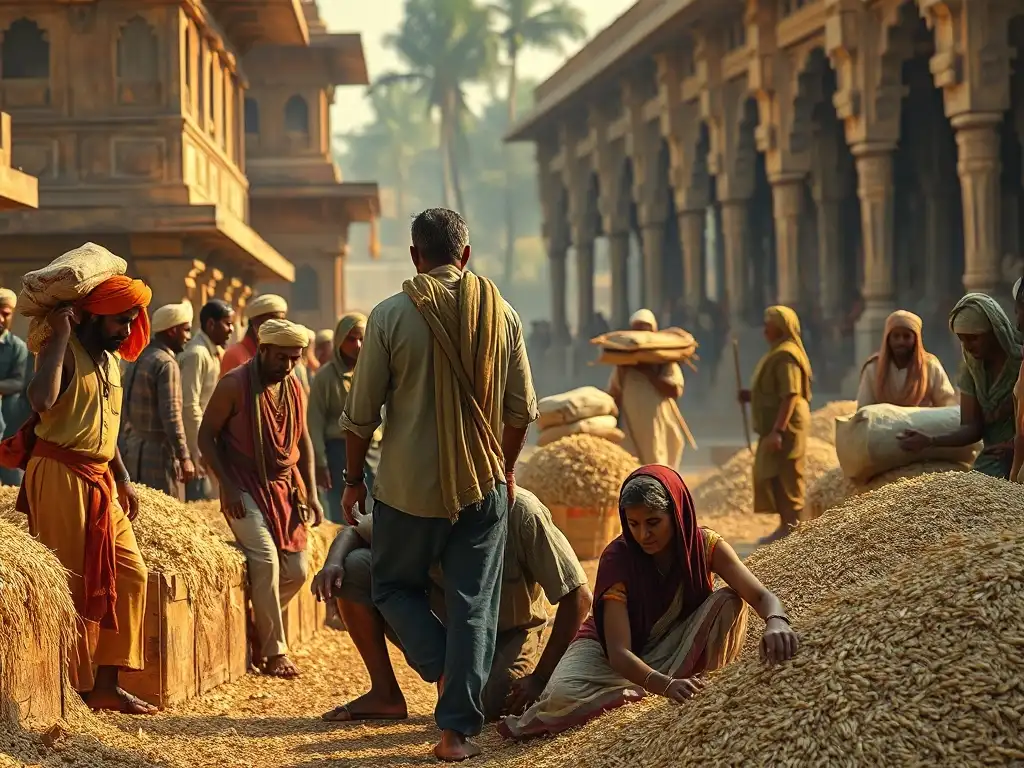
Welcome to Ancient India History, where we embark on a fascinating journey through the rich tapestry of India’s past. Here, you will uncover the intricate layers of culture, civilization, and contributions that shaped the subcontinent, from the Indus Valley to the Gupta Empire. In our featured article, “The Role of Slavery in Ancient Indian Labor Systems: A Complex Reality,” we delve into a topic often overlooked yet profoundly impactful— the dynamics of slavery in ancient Indian civilization.
What were the social implications of this practice, and how did it influence daily life and labor systems? Join us as we explore these compelling questions and much more, inviting you to connect with the multifaceted history that continues to resonate today.

Introduction to Slavery in Ancient Indian Civilization
The history of slavery in ancient Indian civilization is a multifaceted subject that intertwines with the broader narrative of labor systems and societal structures. Understanding the role of slavery requires a deep dive into the intricate web of economic, social, and cultural dynamics that characterized ancient India.
From the early Indus Valley Civilization to the flourishing Gupta Empire, slavery played a significant part in shaping labor practices, influencing the economy, and reflecting societal hierarchies. This exploration reveals not only the existence of slavery but also its complex nature, encompassing various forms of servitude, rights, and responsibilities that differed across regions and periods.
Overview of Ancient Indian Civilization
Ancient India boasts a rich tapestry of civilizations, each contributing to the cultural and historical landscape that defines the subcontinent today. Key periods include:
- Indus Valley Civilization (c. 3300–1300 BCE): Known for its advanced urban planning and trade systems.
- Vedic Period (c. 1500–500 BCE): Marked by the composition of sacred texts like the Vedas, which shaped societal norms.
- Maurya Empire (c. 322–185 BCE): Notable for its political unification and administrative innovations.
- Gupta Empire (c. 240–550 CE): Considered a golden age of arts, science, and culture.
Throughout these periods, labor systems evolved, influenced by economic demands and social structures, with slavery being a significant yet often overlooked component.
Definition and Context of Slavery in Ancient Societies
In ancient societies, slavery is typically defined as a system where individuals are considered property and are forced to work without compensation. However, the context of slavery in ancient India was nuanced:
- Forms of Slavery: Slaves could be prisoners of war, debtors, or individuals born into servitude.
- Rights and Roles: Contrary to the harsh conditions seen in some other civilizations, ancient Indian slaves sometimes had specific rights, including the ability to own property or buy their freedom.
This complexity reveals that slavery was not merely a binary system but rather a spectrum of servitude that varied significantly across different regions and historical epochs.
Historical Context of Slavery in Ancient India
To fully comprehend the role of slavery in ancient Indian labor systems, it is vital to examine the historical context that influenced its evolution. Various socio-economic factors and political dynamics shaped how slavery was perceived and practiced.
Evolution of Labor Systems in Ancient India
The evolution of labor systems in ancient India reflects the changing economic needs and societal values:
- Agricultural Economy: With the advent of agriculture, the demand for labor increased, leading to various forms of labor, including slavery.
- Craftsmanship and Trade: As trade routes expanded, skilled labor became valuable, and slaves were sometimes employed in artisanal workshops.
- Changing Dynamics: Over time, the structure of labor shifted, influenced by religious texts and philosophical ideas regarding duty (dharma) and societal roles.
Understanding this evolution helps clarify how slavery intertwined with other labor forms and societal expectations.
Major Dynasties and Their Influence on Labor Practices
Different dynasties in ancient India had distinct approaches to labor and slavery, significantly impacting societal norms and practices:
- Maurya Dynasty: Established a centralized administration, which implemented structured labor systems, including the use of slaves in various capacities.
- Gupta Empire: Fostered a cultural renaissance, during which labor practices became more diversified, with an increased emphasis on skilled artisans and trades, often incorporating enslaved individuals.
The legacies of these dynasties reveal the intricate relationship between political power and labor systems, emphasizing the centrality of slavery in the broader framework of ancient Indian civilization.
Types of Slavery in Ancient Indian Civilization
Slavery in ancient Indian civilization was multifaceted, encompassing various forms that reflected the socio-economic dynamics of the time. Understanding these types sheds light on the complex role slavery played in labor systems throughout ancient India. The primary forms of slavery included chattel slavery, debt bondage, and indentured servitude, each with unique characteristics and implications for those involved.
Chattel Slavery: Understanding Ownership and Rights
Chattel slavery in ancient India involved individuals being regarded as property, with owners possessing complete control over them. This form of slavery often arose from warfare, where captured individuals were forced into servitude. Unlike other systems, chattel slaves had minimal legal rights and were typically bound for life, with their status inherited by their descendants. Notably, the Manusmriti, an ancient legal text, indicates that chattel slaves could be bought, sold, or exchanged, reflecting a harsh reality devoid of personal agency.
The implications of chattel slavery extended to the economy, as these individuals provided labor for agriculture, construction, and domestic services. However, their status as property made them vulnerable to exploitation, and their living conditions were often dire, emphasizing the moral complexities surrounding this practice.
Debt Bondage: A Common Practice among Laborers
Debt bondage was another prevalent form of slavery in ancient India, where individuals would pledge themselves or their family members as collateral against loans. This system emerged primarily among the lower classes, who resorted to borrowing due to extreme poverty or crop failures. The terms of debt bondage could be harsh, often leading to cycles of indebtedness that trapped families for generations.
While debt bondage allowed some semblance of autonomy, as individuals could work off their debts, it often resulted in exploitation. Interest rates could be exorbitant, and the conditions for redeeming oneself were frequently ambiguous. This practice highlights the precarious nature of economic survival in ancient societies and the systemic issues that perpetuated inequality.
Indentured Servitude: Contracts and Obligations
Indentured servitude in ancient India involved formal agreements wherein individuals would work for a specified period in exchange for wages, land, or other benefits. This system often resembled modern contractual employment but lacked the protections and rights we associate with labor today. Typically, individuals entered into these contracts willingly, seeking opportunities for better living conditions or economic advancement.
However, the reality of indentured servitude was often complicated by power dynamics. Landowners or employers could exploit these laborers, imposing harsh working conditions and extending contracts beyond the agreed-upon terms. Indentured servants, while not enslaved in the traditional sense, faced significant challenges in securing their rights and maintaining their independence.
The Impact of Slavery on Ancient Indian Labor Systems
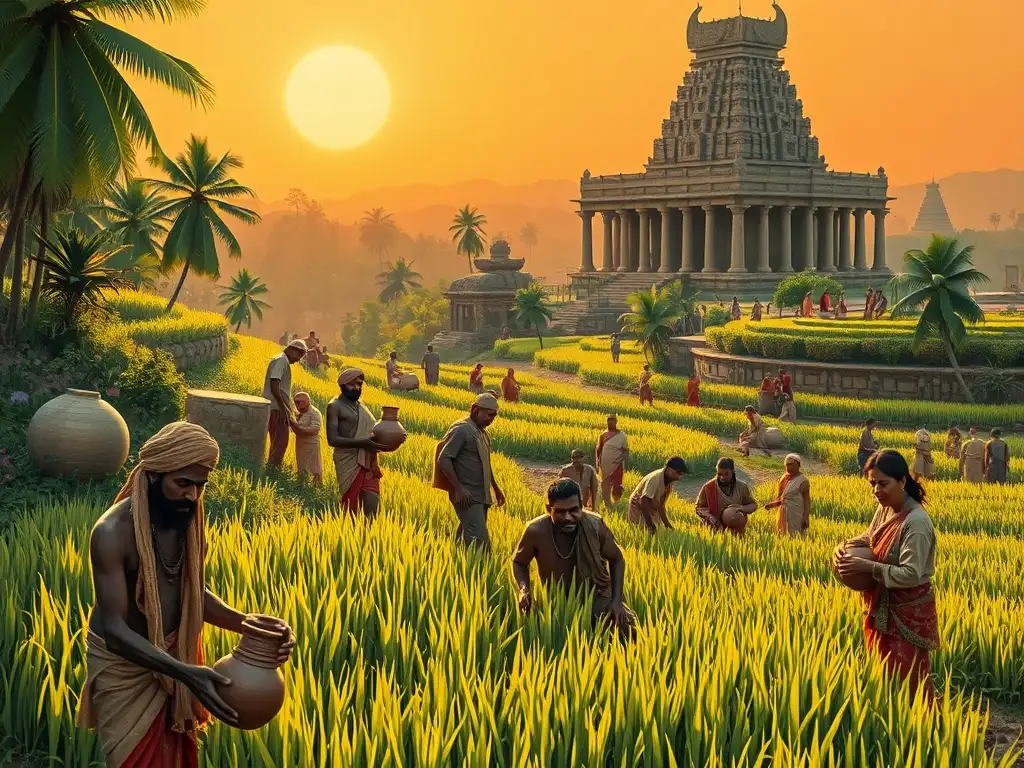
The presence of slavery within ancient Indian labor systems had profound implications for economic structures, social hierarchies, and cultural practices. The interplay between slavery and labor created a framework that influenced daily life, economic productivity, and societal norms.
Economic Contributions of Slavery to Ancient Economies
Slavery contributed significantly to the economic landscape of ancient India. The labor provided by slaves, whether through chattel slavery, debt bondage, or indentured servitude, was crucial for agricultural production, trade, and infrastructure development. Large estates often relied on slave labor to cultivate crops, which were vital for sustaining local economies and facilitating trade with neighboring regions.
Additionally, the economic benefits derived from slavery extended to the broader community. Wealth generated by slave labor could fund public works, support artisans, and contribute to the flourishing of urban centers. However, the reliance on slavery also created economic disparities, as the wealth concentrated in the hands of a few landowners often came at the expense of the laboring class.
Social Hierarchy and the Role of Slaves in Society
Slavery played a pivotal role in shaping social hierarchies within ancient Indian civilization. Slaves occupied a unique position, often situated below free laborers in the caste system, which dictated social status and occupational roles. Their treatment and status varied significantly based on their owners and the prevailing cultural attitudes toward slavery.
Moreover, the existence of slavery reinforced social stratifications, creating a clear delineation between those who held power and those who were subjugated. Slaves were often denied basic rights and were subject to the whims of their owners, which further entrenched societal inequalities. This hierarchical structure not only influenced daily interactions but also shaped cultural narratives surrounding honor, status, and morality.
Cultural Implications of Slavery in Daily Life
The cultural implications of slavery in ancient Indian society were extensive, influencing religious beliefs, social customs, and artistic expressions. Slaves were often invisibilized in historical narratives, yet their presence was felt in everyday life, from domestic settings to agricultural fields.
Culturally, the treatment of slaves reflected broader societal values and attitudes toward labor, class, and human dignity. Religious texts and literary works from the period occasionally addressed the status of slaves, revealing a complex relationship between ethics and economic necessity. Additionally, the portrayal of slaves in art and literature often served to reinforce or challenge societal norms, highlighting the duality of their existence as both laborers and marginalized individuals.
While slavery was a deeply embedded aspect of ancient Indian civilization, its forms and impacts were diverse, shaping the socio-economic fabric of the time. Understanding these nuances provides valuable insights into the complexities of labor systems and the enduring legacy of slavery in the historical narrative of ancient India.
Case Studies of Slavery in Different Regions of Ancient India
The exploration of slavery in ancient Indian civilization reveals a complex and multifaceted reality. Different regions and periods featured distinct practices and attitudes towards slavery, influenced by social, economic, and cultural factors. This section delves into specific case studies that highlight the diversity of slavery across ancient Indian societies.
Slavery in the Indus Valley Civilization
The Indus Valley Civilization, flourishing between 3300 and 1300 BCE, is one of the earliest known urban cultures in South Asia. Archaeological evidence suggests that while the concept of slavery as we understand it today may not have been prominent, there were indeed systems of servitude.
- Labor Force: The construction of sophisticated urban infrastructures, such as the cities of Harappa and Mohenjo-Daro, indicates a significant labor force. Some individuals may have been engaged in forced labor or servitude, particularly in monumental architecture and agricultural production.
- Social Structure: The social hierarchy in the Indus Valley likely included individuals who performed menial tasks, possibly indicating a form of unfree labor. However, the lack of written records makes it challenging to ascertain the exact nature of these relationships.
Overall, while slavery in the Indus Valley might not fit modern definitions, evidence points towards a labor structure that included unfree workers contributing to the civilization's economic and social framework.
Slavery during the Maurya and Gupta Empires
The Maurya (c. 321–185 BCE) and Gupta (c. 320–550 CE) Empires represent significant periods in ancient Indian history, marked by extensive political organization and economic activity. Slavery during these eras was more pronounced and institutionalized.
- Economic Role: Slavery became integral to agriculture, trade, and domestic service. Slaves were commonly utilized in households, in fields, and even in the burgeoning artisan workshops.
- Social Status: The status of slaves varied; some were captured in warfare, while others might have been debtors or born into servitude. Notably, the Arthashastra, an ancient Indian treatise on statecraft, economics, and military strategy, discusses the management of slaves as a resource, indicating their economic importance.
The prevalence of slavery during the Maurya and Gupta periods illustrates a system where slaves could be both a commodity and a part of the household economy, with their treatment and status shaped by various factors, including their origin and the economic needs of their masters.
Regional Variations in Labor Practices and Slavery
Ancient India was characterized by significant regional diversity in labor practices, including variations in slavery.
- Southern India: In contrast to the northern regions, southern kingdoms like the Chola and Pandya had different labor structures, including a reliance on bonded laborers who worked in agriculture and construction.
- Northeastern Regions: Areas such as Assam and the northeastern states exhibited unique forms of servitude, where social ties often dictated labor relations, sometimes resembling slavery but intertwined with kinship and community obligations.
This regional analysis highlights that while slavery existed, its form and function significantly varied across ancient Indian civilizations, shaped by local customs, economic needs, and social structures.
The Legal Framework Surrounding Slavery
The legal framework governing slavery in ancient India was complex and often derived from religious texts, local customs, and evolving social norms.
Ancient Texts and Their References to Slavery
Ancient texts, including the Vedas, Manusmriti, and Dharmashastras, provide critical insights into the legal aspects of slavery.
- Manusmriti: This ancient legal text outlines the duties and responsibilities of slaves and their masters, emphasizing the moral and ethical dimensions of servitude. It recognizes slaves as property but also prescribes certain rights and protections.
- Dharma Shastras: These texts elaborate on the legal implications surrounding slavery, particularly concerning the treatment of slaves, their rights to protection from extreme abuse, and the obligations of their masters.
The references in these texts indicate that slavery was a recognized institution, with legal guidelines stipulating the conditions and treatment of slaves, albeit often favoring the interests of the ruling classes.
Rights of Slaves and Legal Protections
Despite their status, slaves in ancient India were afforded certain rights and legal protections, although these varied significantly based on the prevailing social and regional context.
- Protections: Legal texts often mandated humane treatment, including provisions against excessive punishment and the right to seek refuge in temples or under the protection of certain deities.
- Path to Freedom: In some instances, slaves could attain freedom through various means, including the payment of debts, the performance of devoted service, or through the benevolence of their masters.
These legal protections illustrate that while the institution of slavery was prevalent, there were mechanisms that allowed for the possibility of humane treatment and eventual emancipation, reflecting a nuanced understanding of servitude within ancient Indian society.
Myths and Realities about Slavery in Ancient India
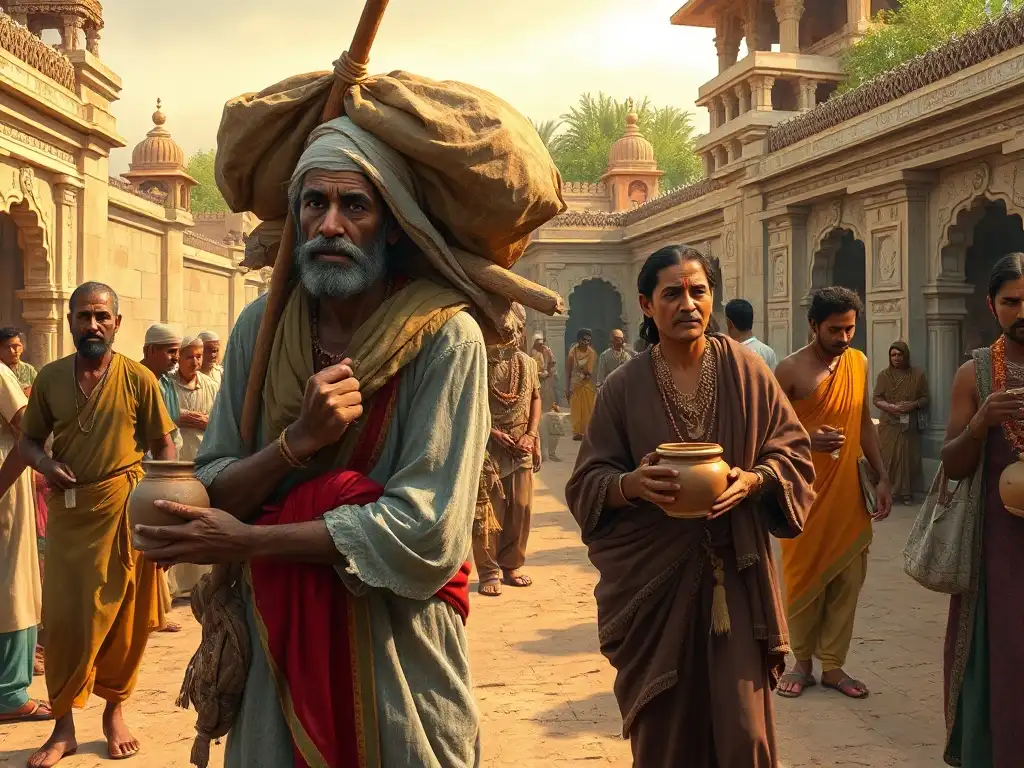
The concept of slavery in ancient India is often clouded by misconceptions that stem from modern interpretations and a limited understanding of historical contexts. Many individuals inaccurately equate slavery in ancient Indian civilization with the brutal and dehumanizing practices seen in other cultures, particularly in the Americas and Europe. However, the realities of slavery in ancient India were multifaceted and varied significantly across different regions and time periods.
Common Misconceptions about Slavery Practices
One prevalent myth is that all slaves in ancient India were subjected to extreme cruelty and mistreatment. In truth, the treatment of slaves varied widely based on their roles, the regions they inhabited, and the specific historical context. Some slaves held positions of trust and were integrated into households, often enjoying a degree of autonomy and respect.
Another misconception is that slavery was solely a consequence of war or conquest. While war did contribute to the enslavement of individuals, many slaves were born into servitude or became enslaved due to debt or economic factors. This complexity highlights the need to move beyond simplistic narratives that fail to capture the full spectrum of slavery practices in ancient India.
The Reality of Slavery in Daily Life
In everyday life, the integration of slaves into various labor systems was common. Slaves participated in agriculture, domestic work, and skilled trades, contributing directly to the economy. They could be found in households, farms, and even temples, where they performed essential tasks that supported the functioning of society.
Moreover, some historical texts, such as the Manusmriti, provide insights into the roles and rights of slaves, indicating that they were often afforded certain protections and could even attain their freedom under specific circumstances. This dynamic illustrates that slavery in ancient India was not monolithic; it encompassed various experiences shaped by social, economic, and cultural factors.
Conclusion: The Complexity of Slavery in Ancient Indian Civilization
The history of slavery in ancient Indian civilization is complex and nuanced, challenging modern interpretations that tend to oversimplify the institution. Understanding the multifaceted nature of slavery requires a thorough examination of historical texts, archaeological evidence, and cultural practices throughout different periods.
Summary of Key Points
- Slavery in ancient India was characterized by diverse practices and roles, differing significantly across regions and time periods.
- Misconceptions about the nature of slavery often overlook the varied experiences of slaves, including their integration into households and labor systems.
- Historical texts reveal that slaves could possess certain rights and opportunities for freedom, indicating a more complex social structure than commonly assumed.
The Legacy of Slavery in Understanding Ancient Indian Society
The legacy of slavery in ancient Indian civilization continues to influence contemporary discussions about social hierarchies and labor systems. By examining the nuances of slavery, modern scholars can gain insights into the economic and social structures that shaped ancient Indian society. This understanding not only contributes to a more accurate historical narrative but also informs ongoing conversations about human rights, labor, and social justice in today's world.
Further Reading and Resources on Slavery and Labor Systems in Ancient India
Understanding the role of slavery in ancient Indian labor systems requires delving into a wide array of scholarly works, articles, and online resources. These materials provide deeper insights into the complexities of labor, social hierarchies, and the experiences of enslaved individuals throughout different periods of ancient Indian history.
Recommended Books and Articles
-
"Slavery and South Asian History" by G. J. R. Ramaswamy
This comprehensive work explores the nuances of slavery in South Asia, highlighting its historical context, economic implications, and social ramifications. Ramaswamy’s analysis sheds light on how slavery was integrated into the broader labor systems of ancient India.
-
"Ancient Indian Society and Culture" by R. S. Sharma
Sharma’s book provides a foundational understanding of various aspects of ancient Indian society, including the roles and statuses of different occupational groups and the presence of slavery within them. It is an essential read for anyone interested in the cultural dynamics of the time.
-
"The Economics of Slavery in Ancient India" by D. N. Jha
This article delves into the economic dimensions of slavery, examining how enslaved individuals contributed to agricultural and artisanal production. Jha’s work emphasizes the economic motivations behind the institution of slavery.
-
"Caste, Class, and Slavery in Ancient India" by R. K. Bhatia
This scholarly article discusses the intersections of caste and class with the institution of slavery, offering critical perspectives on how societal structures influenced labor systems in ancient India.
-
"The Role of Servants in Ancient Indian Households" by S. P. Gupta
Gupta explores the domestic roles of enslaved individuals, detailing their contributions to household labor and the complexities of their relationships with their masters.
Online Resources for Deeper Exploration
-
Digital South Asia Library (DSAL)
This online resource offers a range of historical documents, maps, and scholarly articles focused on South Asian history, including topics related to slavery and labor systems.
-
Ancient India: A Resource for Teaching and Learning
This educational platform provides access to various resources, including primary texts and scholarly articles about ancient Indian civilization, with sections dedicated to labor systems and slavery.
-
The Indian History Congress
This organization hosts a wealth of academic papers and discussions on various topics related to Indian history, including the roles and conditions of enslaved individuals in ancient societies. Their archives are a valuable resource for researchers.
-
Internet Archive
A treasure trove of historical texts, the Internet Archive includes numerous books and papers on ancient Indian history and labor systems, many of which can be freely accessed and downloaded.
-
Academia.edu
This platform allows scholars to share research papers, and a search for "slavery in ancient India" reveals numerous studies and articles that can provide further insights into the topic.
By engaging with these recommended texts and online resources, readers can gain a more comprehensive understanding of slavery in ancient Indian civilization and its intricate relationship with labor systems.
- Introduction to Slavery in Ancient Indian Civilization
- Historical Context of Slavery in Ancient India
- Types of Slavery in Ancient Indian Civilization
- The Impact of Slavery on Ancient Indian Labor Systems
- Case Studies of Slavery in Different Regions of Ancient India
- The Legal Framework Surrounding Slavery
- Myths and Realities about Slavery in Ancient India
- Conclusion: The Complexity of Slavery in Ancient Indian Civilization
- Further Reading and Resources on Slavery and Labor Systems in Ancient India
- What was the role of slavery in ancient Indian civilization?
- How did slavery differ across ancient Indian empires?
- Were there specific laws governing slavery in ancient India?
- What were the economic implications of slavery in ancient India?
- Did slavery in ancient India influence later labor systems?
Frequently Asked Questions
What was the role of slavery in ancient Indian civilization?
Slavery in ancient Indian civilization was a complex reality that involved various forms of servitude, impacting social structures and labor systems across different regions and periods.
How did slavery differ across ancient Indian empires?
Different empires, such as the Maurya and Gupta, exhibited varied practices of slavery, influenced by cultural norms and economic needs, leading to diverse experiences for slaves.
Were there specific laws governing slavery in ancient India?
Yes, ancient texts like the Manusmriti outlined laws and regulations regarding slavery, which included the rights of slaves and obligations of their owners, reflecting the societal values of the time.
What were the economic implications of slavery in ancient India?
Slavery played a significant role in the economic framework, providing a source of labor for agriculture, construction, and crafts, which contributed to the prosperity of ancient Indian civilizations.
Did slavery in ancient India influence later labor systems?
Yes, the legacy of slavery influenced subsequent labor systems in India, shaping social hierarchies and labor practices that persisted into later historical periods, including the medieval and colonial eras.
Final Reflection: Understanding the Complex Legacy of Slavery in Ancient Indian Civilization
The exploration of slavery in ancient Indian civilization reveals a multifaceted reality that continues to resonate today. As we delve into the historical context and implications of labor systems that included slavery, we uncover not only the injustices of the past but also the enduring legacies that shape contemporary social structures. The complexities of these systems challenge us to confront uncomfortable truths about our history and its ongoing impact on modern society.
Culture and society are inextricably linked to the labor systems that have shaped them, and the legacy of slavery in ancient India is no exception. The intricate dynamics of power, economy, and social hierarchy established during this period still echo in today's discussions about caste, labor rights, and social justice. As noted by historian Romila Thapar, History is not merely a record of the past; it is a lens through which we understand the present.
This perspective encourages us to critically examine how the remnants of ancient practices influence contemporary issues and our collective consciousness.
As we reflect on the lessons drawn from the role of slavery in ancient Indian labor systems, let us consider how we can apply this understanding to our lives today. I invite you to engage with this history, not just as an academic exercise, but as a call to action.
Reflect on the ways in which the past informs our current societal structures and strive to contribute to a more equitable future. By acknowledging and learning from these complexities, we can foster a deeper understanding of justice, empathy, and the importance of advocating for those whose voices have been historically marginalized.
Thank you for exploring the complex topic of slavery within ancient Indian labor systems. Your interest in understanding this intricate history is vital for recognizing the multifaceted narratives that shaped our world. Now, let’s build on this knowledge and take meaningful steps forward!
- Dive deeper: Discover more about the impact of historical labor systems on modern society by exploring related articles on our website.
- Engage with our community: Join our forum to share your thoughts and discuss insights on ancient labor practices with fellow history enthusiasts.
- Spread the knowledge: Share this article with friends and family to spark conversations about the importance of understanding our historical foundations.
What aspect of ancient Indian labor systems do you find most surprising and relevant today? We invite you to share your thoughts below!