
The Influence of Ancient Indian Labor Systems on Modern Practices


Welcome to Ancient India History, where we embark on a fascinating journey through the rich tapestry of ancient Indian civilizations. Delve into the intriguing world of ancient Indian labor systems, a cornerstone of society that shaped not only daily life but also laid the groundwork for modern practices we see today. As you explore the profound influence of these labor systems, you'll uncover the intricate connections between past and present that continue to resonate in our lives. Prepare to be captivated by the stories of resilience, innovation, and cultural significance that await you in the article ahead!
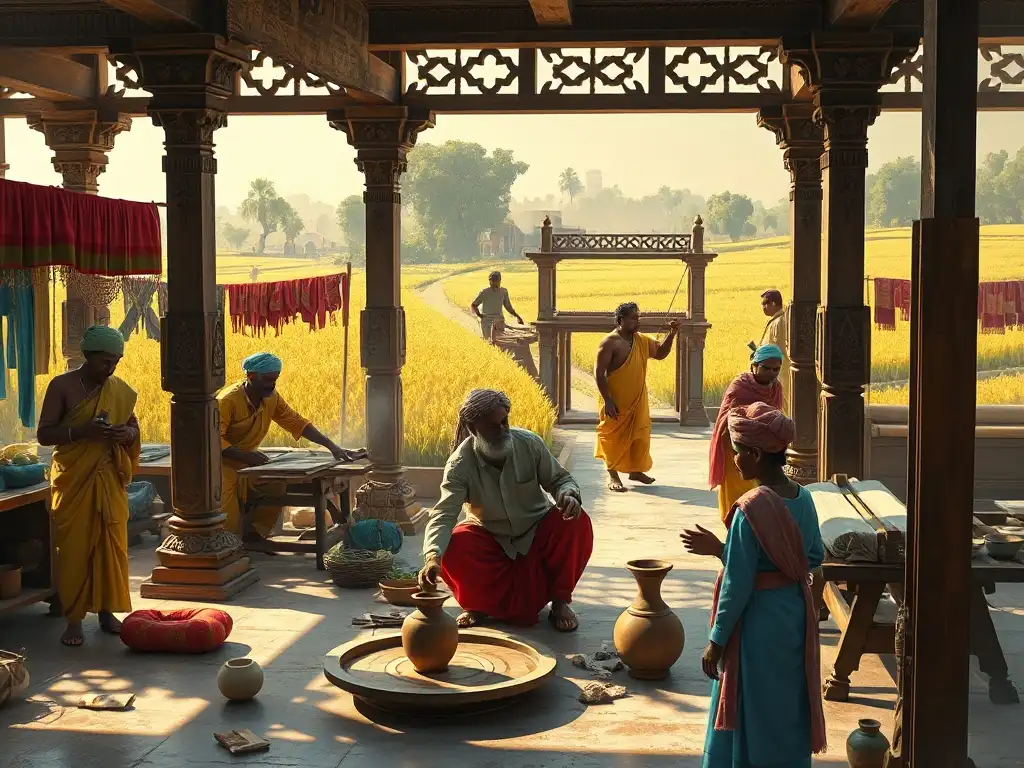
Introduction to Ancient Indian Labor Systems
The labor systems of ancient India play a pivotal role in understanding the socio-economic fabric that shaped the civilizations from the Indus Valley to the Gupta Empire. This intricate web of occupations not only reflects the skills and trades that sustained communities but also highlights the cultural, religious, and philosophical ideologies that governed them. By examining these systems, we can uncover valuable insights into how ancient practices continue to resonate in today’s labor dynamics. The nuances of these systems reveal the complexity of social hierarchies, economic exchanges, and communal relationships that were prevalent in ancient Indian society.
Overview of Labor Systems in Ancient India
Ancient Indian labor systems were characterized by a variety of occupations that ranged from agriculture and craftsmanship to trade and mercantile activities. Below is a brief overview of key labor categories:
- Agricultural Labor: The backbone of the economy, involving a significant portion of the population engaged in crop cultivation.
- Artisans and Craftsmen: Skilled workers who created textiles, pottery, metalwork, and jewelry, contributing to trade and cultural identity.
- Trade and Commerce: Traders who facilitated the exchange of goods both locally and with distant lands, thereby enhancing economic interconnectivity.
- Service Providers: Individuals offering specialized services, such as priests and healers, who played essential roles in the spiritual and physical well-being of society.
These categories illustrate the diversity and specialization within ancient Indian labor systems, which were often regulated by social norms and caste distinctions.
Importance of Labor in Ancient Indian Society
Labor in ancient India was not merely a means of survival; it was intricately tied to social status, cultural practices, and religious beliefs. The significance of labor can be summarized as follows:
- Cultural Identity: Professions often defined one's identity and social standing within the community.
- Religious Practices: Many occupations were intertwined with religious duties, such as the role of priests in temple services.
- Economic Stability: The productivity of laborers directly influenced the prosperity of kingdoms and city-states, affecting trade routes and wealth distribution.
Understanding these aspects helps in recognizing how ancient labor systems laid the groundwork for modern practices, shaping social and economic frameworks that persist today.
Historical Context of Labor Systems
To appreciate the influence of ancient Indian labor systems on modern practices, it is essential to delve into their historical evolution.
Evolution of Labor Practices from Indus Valley Civilization
The Indus Valley Civilization (c. 3300–1300 BCE) laid the foundation for labor practices in ancient India. Archaeological findings suggest:
- Urban Planning: Advanced urban centers such as Harappa and Mohenjo-Daro featured organized labor for construction, drainage systems, and public baths.
- Craft Specialization: Evidence of specialized crafts, especially in bead-making and metallurgy, indicates a complex economic structure with distinct roles.
These early practices established a precedent for structured labor systems that would evolve in later periods.
Labor Systems During the Vedic Period
The Vedic period (c. 1500–500 BCE) marked significant shifts in labor organization, including:
- Caste System Formation: The emergence of the Varna system categorized laborers into four primary groups—Brahmins (priests), Kshatriyas (warriors), Vaishyas (traders), and Shudras (laborers)—each with specific duties and responsibilities.
- Agriculture and Livestock: The agrarian economy flourished, with increased emphasis on crop production and animal husbandry, necessitating a structured workforce.
These developments reflected the interplay of social hierarchy and economic function, influencing labor practices for centuries to come.
Impact of Mauryan and Gupta Empires on Labor
The Mauryan (c. 322–185 BCE) and Gupta (c. 240–550 CE) Empires were pivotal in shaping labor systems through:
- State Regulation: The Mauryan Empire implemented state oversight in agriculture and trade, promoting economic stability and worker rights.
- Cultural Flourishing: The Gupta period witnessed advancements in arts and sciences, with labor contributing to cultural achievements like literature, mathematics, and architecture.
The legacies of these empires laid essential groundwork for the evolution of labor dynamics, influencing contemporary practices and social structures that continue to resonate in modern India.
This exploration of ancient Indian labor systems highlights their enduring influence on today’s occupational practices, providing a rich context for understanding the complexities of labor throughout history.
Types of Ancient Indian Labor Systems
Ancient Indian labor systems were diverse and intricately woven into the social fabric, reflecting the complexity of the society at that time. These systems were primarily characterized by their organization around caste, guilds, and agricultural practices. Each type of labor system played a crucial role in the economic structure and the day-to-day life of the people. Understanding these systems provides valuable insights into how they have influenced contemporary practices in various industries and sectors.
Caste-Based Labor: The Varna System
The Varna system was a fundamental aspect of ancient Indian society, categorizing individuals into four main groups: Brahmins (priests and scholars), Kshatriyas (warriors and rulers), Vaishyas (traders and agriculturists), and Shudras (laborers and service providers). This classification determined not only one’s occupation but also their social status and responsibilities within the community.
- Religious and Ritualistic Functions: Brahmins were responsible for performing rituals and preserving sacred knowledge, thus maintaining the spiritual and educational aspects of society.
- Military and Governance: Kshatriyas played a key role in governance and protection, often engaging in warfare and administration.
- Economic Activities: Vaishyas contributed to commerce and agriculture, ensuring the economy's stability through trade and farming.
- Service and Labor: Shudras provided essential services and labor, forming the backbone of various industries, from agriculture to construction.
While this system provided social order, it also entrenched social hierarchies and limited mobility between castes, influencing labor dynamics that persist in various forms today.
Guilds and Craftsmanship: Organizing Skilled Labor
In addition to the caste system, ancient India saw the emergence of guilds, known as "shrenis," which organized skilled laborers into collective groups. These guilds were essential in various crafts and trades, promoting specialization and the exchange of skills.
- Structure of Guilds: Guilds operated under a structured hierarchy and were responsible for setting standards for craftsmanship, regulating prices, and providing training to new artisans.
- Cultural and Economic Significance: They played a vital role in preserving traditional crafts, such as weaving, metalwork, and pottery, ensuring the transmission of skills across generations.
- Social Support: Guilds offered social security to their members, providing assistance during times of need and fostering a sense of community among artisans.
The legacy of these guilds can be seen in modern cooperatives and trade unions, which continue to advocate for the rights and welfare of workers in various sectors.
Agricultural Labor: The Backbone of Ancient Economies
Agricultural labor was central to ancient Indian economies, supporting the livelihoods of the majority of the population. The agrarian structure was based on seasonal cycles, local customs, and regional variations.
- Techniques and Practices: Ancient farmers utilized advanced techniques, such as crop rotation and irrigation, to maximize yields. The Rigveda even mentions the significance of agriculture in sustaining life and society.
- Land Ownership: Land was often communally owned, and labor was performed by family units or communities, fostering a strong bond between the land and its cultivators.
- Economic Impact: The surplus produced by agriculture facilitated trade and urbanization, contributing to the rise of cities and complex economies.
The emphasis on agricultural labor in ancient India set the stage for modern agricultural practices, although contemporary systems now include mechanization and technological advancements.
Comparison of Ancient and Modern Labor Practices
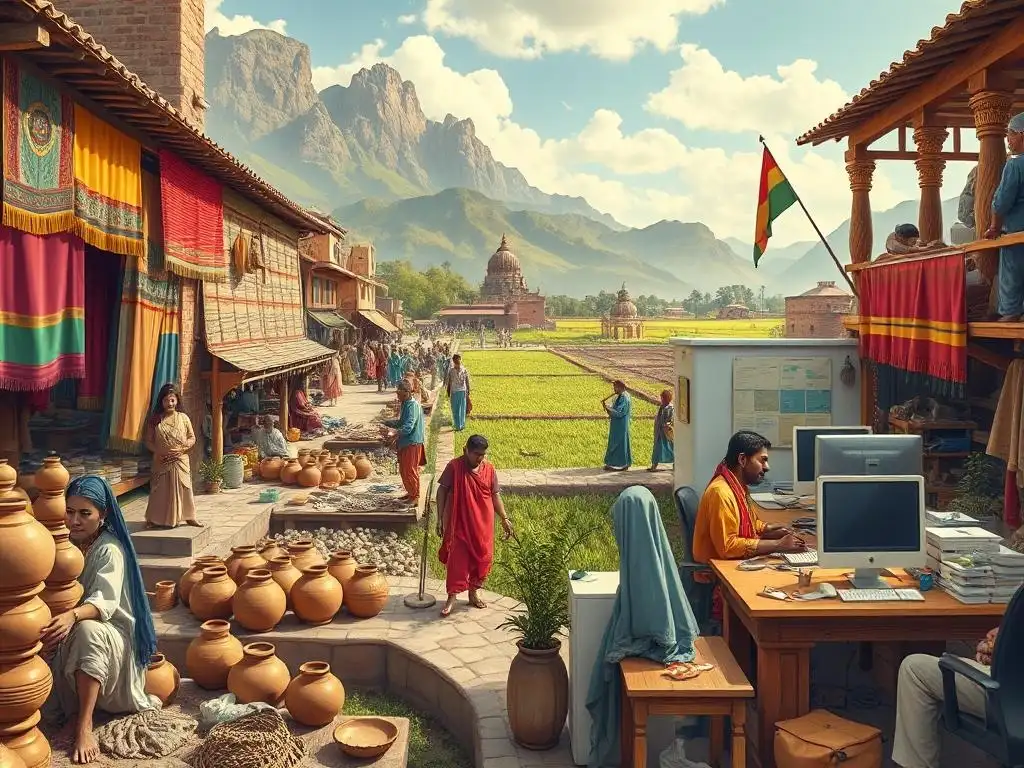
The labor practices of ancient India provide a fascinating lens through which to examine contemporary labor systems. While certain principles remain relevant, significant transformations have occurred over time.
Similarities Between Ancient Indian and Contemporary Labor Systems
Both ancient and modern labor systems exhibit similarities, particularly in terms of the division of labor and the organization of work.
- Specialization: Just as ancient guilds promoted specialized skills, modern economies rely on specialization to enhance productivity and efficiency.
- Community and Collaboration: Ancient labor systems emphasized community collaboration, a principle that still resonates in today's cooperative business models and team-oriented workplaces.
- Cultural Influence: The cultural heritage from ancient practices continues to influence modern professions, particularly in arts, crafts, and agriculture.
Differences in Labor Rights and Social Structure
Despite these similarities, there are stark differences in labor rights and the underlying social structures.
- Labor Rights: Modern labor laws provide rights and protections that were largely absent in ancient systems. Workers today have access to minimum wage laws, safety regulations, and rights to organize and strike.
- Social Mobility: Unlike the rigid caste system, contemporary societies often emphasize meritocracy, allowing for greater social mobility and opportunities across different sectors.
- Workforce Diversity: Modern labor practices embrace diversity and inclusivity, contrasting with the exclusionary nature of ancient labor divisions based on caste.
The Role of Technology: Then and Now
Technological advancements have dramatically reshaped labor practices from ancient times to the present.
- Agricultural Innovations: In ancient India, irrigation and the plow were significant innovations. Today, technology has evolved to include precision farming, drones, and genetically modified organisms, increasing efficiency and productivity.
- Craftsmanship and Manufacturing: While ancient crafts were predominantly handmade, modern manufacturing incorporates automation and mass production techniques, transforming how goods are produced and consumed.
- Communication and Collaboration: The advent of the internet and digital communication has revolutionized how labor is organized and executed, facilitating remote work and global collaboration in ways unimaginable in ancient times.
While the foundational aspects of labor systems in ancient India continue to echo in modern practices, significant shifts in rights, social structures, and technology highlight the evolving nature of work and its critical role in society.
Case Studies of Labor Systems Influence
The influence of ancient Indian labor systems is profound, extending into various aspects of modern practices. Case studies reveal how historical methods of labor organization, agricultural techniques, and social structures continue to shape contemporary society. By examining specific instances where ancient systems have left a lasting mark, we gain insights into the evolution of labor in India.
Influence of Ancient Guilds on Modern Trade Unions
Ancient Indian guilds, known as shrenis, played a pivotal role in regulating trade and craft practices. These guilds functioned as collective organizations for artisans and merchants, providing a framework for cooperation, protection, and mutual support. Their influence is evident in modern trade unions, which advocate for workers' rights and welfare.
Modern trade unions have adopted principles from these ancient guilds, such as:
- Collective Bargaining: Just as guilds negotiated terms with patrons and state authorities, trade unions now represent workers in discussions over wages and working conditions.
- Support Networks: Ancient guilds offered financial assistance during times of need, similar to how contemporary unions provide support through strike funds and legal aid.
- Skill Development: Guilds were instrumental in training apprentices, a practice mirrored today in union-sponsored vocational programs.
This historical continuity illustrates how the cooperative spirit of ancient labor systems informs modern labor relations.
Agricultural Practices: From Ancient Techniques to Modern Farming
Ancient Indian agricultural practices laid the foundation for modern farming techniques. The Kharif and Rabi cropping seasons, established thousands of years ago, continue to guide seasonal agricultural planning today.
Key influences include:
- Crop Rotation: Ancient farmers practiced crop rotation to maintain soil fertility, a technique still employed to prevent soil depletion and enhance yields.
- Irrigation Techniques: The sophisticated irrigation methods developed during the Indus Valley Civilization inform current systems that maximize water efficiency and support diverse crops.
- Organic Practices: Traditional methods of pest control using natural predators and plant-based solutions have surged in popularity in modern organic farming, emphasizing sustainability.
These ancient practices not only reflect an understanding of agricultural science but also resonate with contemporary movements towards sustainable farming.
The Evolution of Caste-Based Labor in Today’s Workforce
Caste-based labor systems have significantly influenced the modern workforce in India. While the rigid structures of the caste system have evolved, remnants of these divisions persist in occupational segregation.
- Occupational Patterns: Certain castes historically associated with specific trades continue to dominate those fields today, affecting employment opportunities for individuals from different backgrounds.
- Social Mobility: While there has been progress towards breaking these barriers, caste affiliations still impact access to higher education and advancement in professional fields.
- Policy Interventions: Government initiatives aimed at promoting equality have sought to address these disparities, yet challenges remain in fully integrating marginalized communities into the workforce.
The transition from ancient labor systems to a more inclusive workforce highlights the ongoing struggle against deeply ingrained societal norms.
Challenges in Transitioning Ancient Practices to Modern Context
While ancient Indian labor systems have influenced contemporary practices, the transition is fraught with challenges. Understanding these obstacles is crucial for fostering effective change and integration.
Societal Resistance to Changing Labor Norms
Resistance to changing labor norms often stems from deeply rooted cultural beliefs and practices. Many communities are hesitant to abandon traditional methods in favor of modern approaches, leading to:
- Cultural Identity: For some, traditional labor practices are tied to cultural identity, making change feel like a loss of heritage.
- Fear of Uncertainty: The unpredictability associated with adopting new systems can deter communities from moving away from established practices.
- Intergenerational Knowledge: Older generations may be reluctant to embrace new methods, preferring to rely on time-tested techniques passed down through generations.
This resistance can slow progress and hinder the adoption of more efficient and equitable labor practices.
Economic Implications of Ancient Labor Systems on Contemporary Practices
The economic implications of ancient labor systems are significant, shaping current labor markets and economic structures. Some of these implications include:
- Market Dynamics: The historical prevalence of certain trades influences supply and demand in the contemporary market, often leading to monopolistic practices where specific communities control particular industries.
- Employment Inequality: Caste-based labor divisions perpetuate economic disparities, with marginalized groups facing barriers to entry in higher-paying professions.
- Sustainability Concerns: Ancient practices that focus on local economies and sustainability can clash with modern industrial approaches that prioritize mass production and profit, leading to economic conflicts.
Navigating these economic challenges is essential for fostering a more inclusive and equitable labor landscape.
Legal Framework Surrounding Labor Rights: Past and Present
The legal framework surrounding labor rights in India has evolved significantly from ancient times to the present. Understanding this evolution is crucial for addressing contemporary labor issues.
- Historical Context: Ancient labor systems often lacked formal legal protections, with workers relying on guilds for support. As societies evolved, the need for structured labor laws became evident.
- Modern Legislation: The introduction of labor laws in the 20th century aimed to protect worker rights, addressing issues such as minimum wage, working conditions, and the right to unionize.
- Current Challenges: Despite progress, enforcement of these laws remains inconsistent, with many workers in informal sectors lacking adequate protections. The challenge lies in bridging the gap between existing legal frameworks and the realities of the modern labor market.
This ongoing evolution of labor rights underscores the importance of adapting historical insights to enhance current labor practices and protect worker dignity.
Conclusion: The Lasting Impact of Ancient Indian Labor Systems
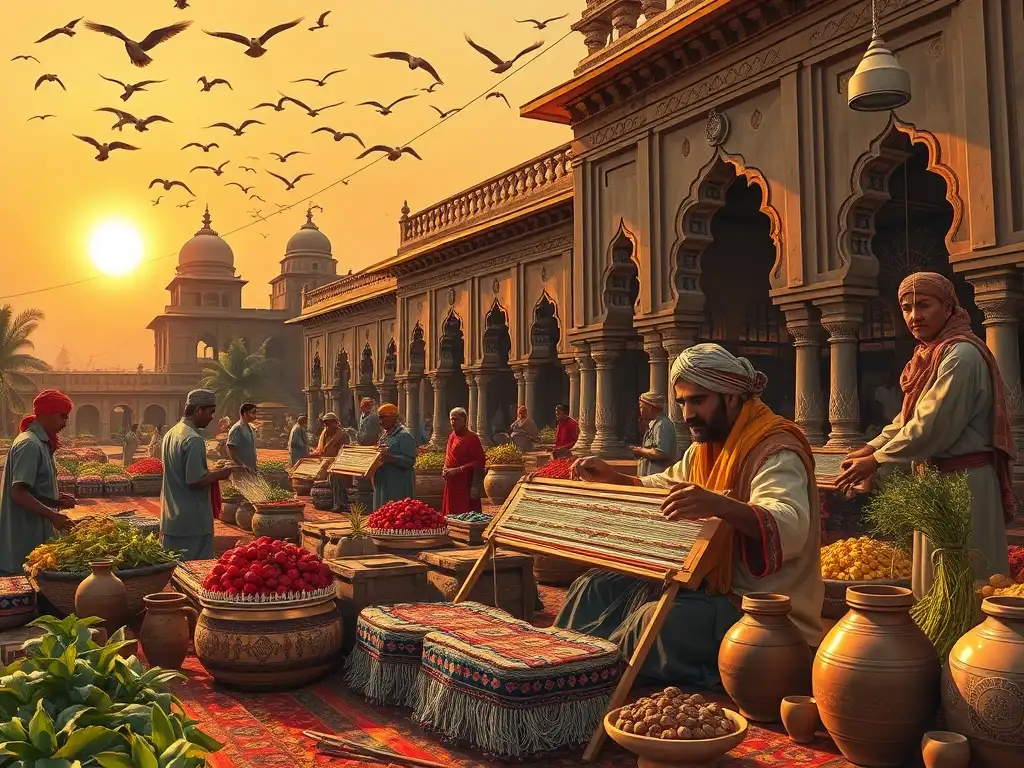
The labor systems of ancient India have left an indelible mark on contemporary practices, shaping not only the economic landscape but also societal structures and cultural norms. From the division of labor seen in the caste system to the community-oriented practices of artisans and farmers, many elements of these ancient systems persist in modern India. The emphasis on skilled craftsmanship, agricultural practices, and the importance of guilds and cooperatives showcase a continuity of labor traditions that have adapted yet remained rooted in their historical contexts.
By understanding the complexity and functionality of ancient Indian labor systems, we can appreciate how they contributed to the richness of Indian civilization and its economy. These systems, characterized by specialization and interdependence, provide valuable lessons on collaboration and sustainability that resonate with today’s labor market challenges. Moreover, the historical context of these practices highlights the evolution of labor rights and social justice, offering insights into the ongoing struggles for equity in the workplace.
Reflections on Modern Labor Practices
In reflecting on modern labor practices, it becomes evident that many challenges faced today echo those of ancient times. Issues such as worker rights, equitable wages, and job security were as pertinent in ancient India as they are now. The traditional labor systems, particularly the guilds, serve as a reminder of the importance of collective bargaining and community support in advocating for workers' rights.
Additionally, the ancient emphasis on skill development through apprenticeships is mirrored in contemporary vocational training programs aimed at equipping the workforce with necessary competencies. This linkage underscores the need for a holistic approach to labor that values both individual skill and collective progress. The lessons gleaned from the practices of ancient Indian labor systems can inform today's discussions on labor ethics, productivity, and the pursuit of fair labor conditions.
Future Prospects: Integrating Ancient Wisdom into Modern Systems
As we look to the future, there is a significant opportunity to integrate the wisdom of ancient Indian labor systems into modern practices. This integration can lead to more sustainable and equitable labor frameworks that honor traditional knowledge while embracing innovation. For instance, collaborative working models inspired by ancient guild structures can enhance creativity and productivity in contemporary workplaces.
Moreover, the principles of community-based labor and resource sharing can be effectively applied to today’s gig economy, fostering a sense of belonging and ensuring fair compensation for workers. By merging ancient practices with modern technologies, we can create a labor system that not only honors historical contributions but also addresses current economic and social challenges.
The exploration of ancient Indian labor systems offers a wealth of knowledge that can inform and enrich modern labor practices. By recognizing the relevance of these systems, we can pave the way for a labor landscape that is rooted in historical wisdom while being adaptable to future needs.
- Introduction to Ancient Indian Labor Systems
- Historical Context of Labor Systems
- Types of Ancient Indian Labor Systems
- Comparison of Ancient and Modern Labor Practices
- Case Studies of Labor Systems Influence
- Challenges in Transitioning Ancient Practices to Modern Context
- Conclusion: The Lasting Impact of Ancient Indian Labor Systems
- Reflections on Modern Labor Practices
- Future Prospects: Integrating Ancient Wisdom into Modern Systems
- What were the major labor systems in ancient India?
- How did caste play a role in ancient Indian labor systems?
- What contributions did ancient Indian labor systems make to modern practices?
- How did the Indus Valley Civilization influence labor systems?
- Are there any cultural impacts of ancient labor systems that persist today?
Frequently Asked Questions
What were the major labor systems in ancient India?
Ancient India featured several labor systems, including craftsmanship, agricultural labor, and trade. These systems were integral to the economy and reflected the society's social structure.
How did caste play a role in ancient Indian labor systems?
The caste system significantly influenced labor in ancient India. Each caste had specific occupations, which dictated individuals' roles in society and their economic contributions.
What contributions did ancient Indian labor systems make to modern practices?
Ancient Indian labor systems laid the groundwork for modern labor practices, emphasizing specialization and guild structures. These concepts are still relevant in today’s organizational frameworks.
How did the Indus Valley Civilization influence labor systems?
The Indus Valley Civilization showcased advanced urban planning and craft specialization, which informed later labor systems in India, promoting trade and economic interdependence.
Are there any cultural impacts of ancient labor systems that persist today?
Yes, many cultural practices and work ethics from ancient labor systems influence modern India, shaping attitudes toward work, craftsmanship, and the value of labor in society.
Final Reflection: The Enduring Legacy of Ancient Indian Labor Systems
The exploration of ancient Indian labor systems reveals their profound influence on modern practices, highlighting how historical frameworks continue to shape our contemporary workforce. In a world increasingly focused on efficiency and productivity, understanding the roots of our labor systems is essential. The lessons from ancient India remind us that the organization of work is not merely a contemporary construct but a tapestry woven from centuries of cultural and social evolution.
Cultural and social dynamics have been significantly shaped by these ancient practices, influencing everything from economic structures to community relationships. The principles of cooperation, specialization, and community engagement that characterized ancient Indian labor systems resonate in today's collaborative work environments. As we navigate the complexities of modern labor, we can draw inspiration from the wisdom of the past. History is not just about the past; it is a guide for the future.
This perspective encourages us to reflect on how ancient practices can inform our approaches to work, collaboration, and community building today.
As we conclude this exploration, I invite you to reflect on how the lessons from ancient Indian labor systems can be applied in your own life and work. Consider how you might integrate the values of cooperation, respect for diverse skills, and community engagement into your daily practices. By embracing these timeless principles, we can create a more harmonious and productive work environment that honors the legacy of those who came before us, ensuring that their influence continues to thrive in our modern world.
Unleash the Wisdom of Ancient Labor Systems Today!
Thank you for exploring the fascinating world of ancient Indian labor systems with us. We hope this article has inspired you to reflect on the profound impact these practices have on modern work ethics and labor dynamics. Now, let’s take that inspiration and turn it into action!
- Explore labor systems from various ancient cultures and discover how their principles can enhance your workplace today.
- Share your insights on social media using the hashtag #AncientWisdom. Contribute to the conversation and connect with others who are interested in the historical influences on modern practices.
- Reflect on your own work environment: What lessons can you draw from these ancient practices to improve efficiency and collaboration?
What ancient labor wisdom will you incorporate into your daily life or work practices? We would love to hear your thoughts in the comments below!