
The Role of Transport Workers in Ancient Indian Trade and Economy


Welcome to Ancient India History, where we embark on a captivating journey through the rich tapestry of ancient Indian civilizations! Here, we delve into the fascinating role of transport workers in ancient India, exploring how these essential figures shaped trade and economy from the bustling streets of the Indus Valley to the thriving markets of the Gupta Empire. Curious about how their contributions influenced daily life and society? Join us as we uncover the stories, challenges, and triumphs of these unsung heroes. Your adventure into the past begins now!

Introduction to Transport Workers in Ancient India
The intricate fabric of ancient Indian society was woven not only by its cultural and intellectual achievements but also by the vital roles played by various occupations. Among these, transport workers in ancient India held a significant position that directly influenced trade and the economy. These individuals were essential for the movement of goods, people, and ideas across vast distances, facilitating interactions between diverse regions and cultures. Their contributions were crucial in establishing trade routes that connected the bustling markets of the Indus Valley, the spice-laden coasts of Southern India, and the opulent cities of the Gupta Empire.
As we delve into the historical context of transport workers, it becomes clear that their expertise and labor were foundational to the economic framework of ancient India. From carrying goods on their backs to steering carts pulled by oxen, these workers adapted to the varied terrains and challenges of the land. Understanding their roles helps us appreciate the broader economic structures and social dynamics that shaped ancient Indian civilization.
Overview of Ancient Indian Economy
The ancient Indian economy was marked by a rich tapestry of agriculture, trade, and craftsmanship. It thrived due to several factors:
- Agricultural Production: Fertile plains and advanced irrigation techniques supported a robust agricultural sector, providing a surplus that fueled trade.
- Craftsmanship and Industry: Skilled artisans produced textiles, pottery, and metalwork, which were highly sought after in both local and international markets.
- Trade Networks: Extensive trade routes, both overland and maritime, connected ancient India with neighboring regions, including Central Asia, the Middle East, and Southeast Asia.
The economy's success relied heavily on the efficiency of transport workers who ensured the smooth transfer of goods across these networks. By facilitating trade, they not only enhanced the livelihoods of merchants and craftsmen but also contributed to the overall prosperity of their communities.
Importance of Transportation in Trade Networks
Transportation played a crucial role in the development and sustainability of trade networks in ancient India. The diverse geography of the subcontinent, with its rivers, mountains, and coastal regions, necessitated various modes of transport, each adapted to specific conditions.
- Land Routes: Caravans of traders relied on skilled porters and cart drivers to navigate through rugged terrains, ensuring that valuable commodities reached their destinations.
- River Trade: Rivers like the Ganges and Indus were highways for trade, with boats and rafts transporting goods, necessitating the expertise of maritime workers.
- Maritime Trade: The Indian coastline was dotted with bustling ports where ships loaded with spices, textiles, and precious stones set sail, highlighting the importance of shipbuilders and maritime laborers.
The interconnectedness of these transportation methods laid the groundwork for a vibrant economy that thrived on mutual exchange and cooperation.
Types of Transport Workers in Ancient India
Ancient Indian transport workers can be broadly categorized into several groups, each specializing in different modes of transport and goods.
Carriers and Porters
Carriers and porters were the backbone of land transport. They typically carried goods on their backs or used simple tools like baskets and yokes. Their roles included:
- Long-Distance Carriers: Transporting goods over vast distances, often across challenging terrains.
- Local Porters: Assisting in the movement of goods within cities and towns, ensuring local markets were stocked.
These workers were vital in maintaining the flow of trade, as they connected various market centers and facilitated the distribution of goods.
Cart Drivers and Animal Handlers
Cart drivers and animal handlers played a significant role in the transportation of heavier loads. Utilizing oxen, donkeys, and camels, they were responsible for:
- Driving Carts: Managing the transport of bulk goods, including agricultural products and manufactured items, across land routes.
- Animal Husbandry: Ensuring the health and stamina of the animals used in transport, which was critical for sustaining long journeys.
The skills of these individuals were indispensable in maximizing the efficiency of trade operations.
Maritime Workers and Shipbuilders
With a rich maritime tradition, ancient India also had a dedicated workforce for sea trade. This group included:
- Maritime Workers: Skilled sailors and navigators who operated ships and boats, facilitating trade across oceans and rivers.
- Shipbuilders: Craftsmen responsible for constructing sturdy vessels capable of enduring the rigors of sea travel.
The contributions of maritime workers not only expanded trade routes but also enriched cultural exchanges between India and other civilizations.
By understanding the diverse roles of transport workers in ancient India, we gain insight into their importance in shaping the economic landscape and the intricate systems of trade that defined this remarkable civilization.
Key Roles of Transport Workers in Trade
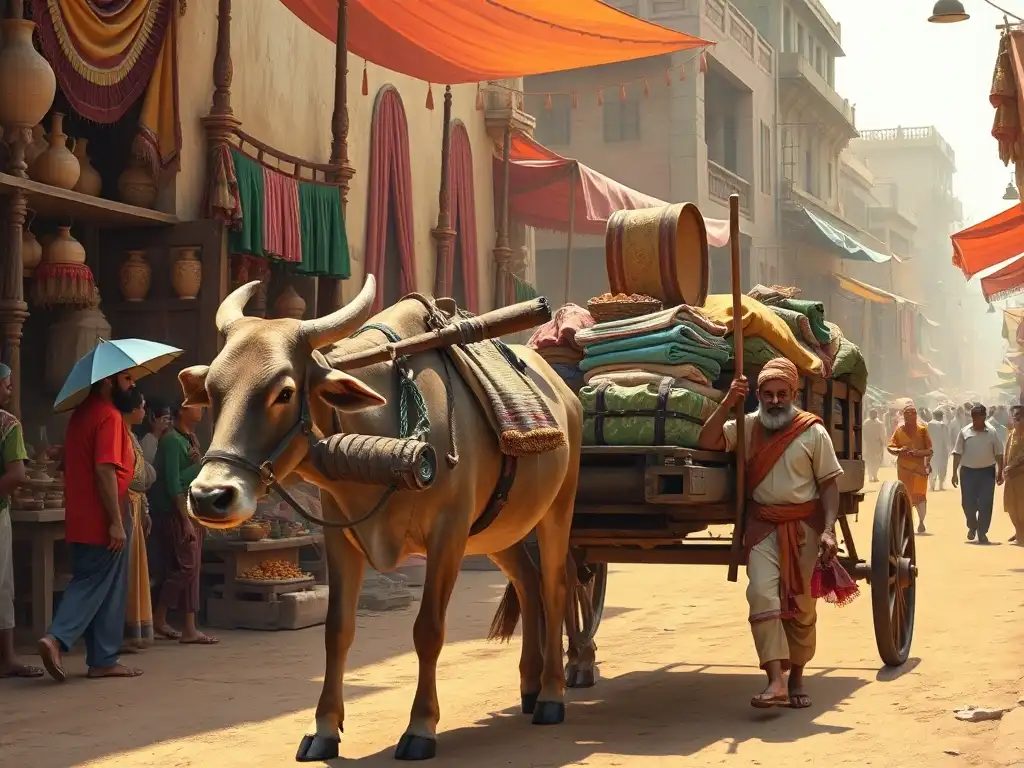
Transport workers played a crucial role in the development and sustainability of trade in ancient India. They were the backbone of the economic framework, facilitating the movement of goods and resources across vast distances. Their contributions were not limited to the exchange of commodities; they also fostered cultural interactions and the spread of ideas. As the lifeline of trade networks, these workers ensured that markets thrived and civilizations flourished.
Facilitating Domestic Trade
Transport workers were essential in the movement of goods within local and regional markets. They utilized various modes of transportation, including carts, boats, and pack animals, to facilitate the exchange of essential goods such as grains, textiles, and spices. The well-established trade routes enabled them to connect rural producers with urban markets, thereby enhancing accessibility and availability of products.
The role of transport workers in domestic trade also included:
- Seasonal Transportation: Adjusting their efforts based on agricultural cycles, they ensured timely delivery of perishable goods.
- Market Participation: They often acted as intermediaries, negotiating prices and helping to stabilize local economies.
- Community Support: Transport workers frequently collaborated with local artisans and farmers, creating a symbiotic relationship that benefited the entire community.
Expanding International Trade Routes
Ancient Indian transport workers were pivotal in establishing and expanding international trade routes. They connected India with far-flung regions such as the Middle East, Southeast Asia, and even parts of Africa. This expansion was crucial in the exchange of not only goods but also ideas, cultures, and technologies.
Key aspects of their role in international trade included:
- Maritime Trade: Skilled sailors and boatmen navigated the Indian Ocean, facilitating trade with distant lands, which led to the flourishing of port cities like Lothal and Sopara.
- Overland Trade: Caravans traversed the Silk Road and other overland routes, bridging gaps between different civilizations and enabling the exchange of luxury goods such as silk and precious stones.
- Cultural Exchange: The interactions between transport workers and foreign traders fostered a rich cultural exchange, introducing new practices, languages, and traditions.
Contributions to Local Economies
The economic impact of transport workers on local communities cannot be overstated. Their presence stimulated trade activity, created job opportunities, and contributed to the overall prosperity of regions.
Some notable contributions include:
- Employment Generation: Transport networks required a diverse range of workers, from handlers and drivers to traders and market managers, thus providing livelihoods for many.
- Increased Market Access: As transport workers improved access to resources, local markets grew, leading to economic diversification and the emergence of new industries.
- Tax Contributions: Increased trade activity often resulted in higher tax revenues for local governments, which could be reinvested in infrastructure and public services.
Tools and Methods Used by Transport Workers
The effectiveness of transport workers in ancient India was greatly enhanced by their use of specific tools and methods. Their ability to adapt and innovate in transportation technology directly influenced trade efficiency and economic stability.
Traditional Transportation Methods
Ancient Indian transport workers employed various traditional methods that were well-suited to the geographical and cultural contexts of their time. These included:
- Animal-Pulled Carts: Oxen and donkeys were commonly used to pull carts, which were designed to carry heavy loads across land routes.
- Boats and Rafts: For water transport, workers used wooden boats and rafts to navigate rivers and coastal waters, facilitating trade between inland villages and coastal markets.
- Pack Animals: Camels and mules were essential for traversing desert regions and mountainous terrains, carrying goods where cart transport was impractical.
Innovations in Transportation Technology
As trade demands grew, so did the need for innovative transportation solutions. Ancient India saw significant advancements in transportation technology that revolutionized trade practices:
- Improved Cart Designs: The development of more robust and efficient carts allowed for larger loads and smoother travel over rough terrain.
- Navigational Tools: Innovations such as compasses and astrolabes helped sailors navigate the seas more effectively, enhancing maritime trade.
- Road Construction: The establishment of well-maintained roads, such as the Grand Trunk Road, facilitated faster movement of goods and improved trade connections.
Materials and Tools Employed
Transport workers utilized a variety of materials and tools that were integral to their operations. These included:
- Wood and Leather: Commonly used for constructing carts, boats, and harnesses, these materials were locally sourced and adapted to specific needs.
- Ropes and Nets: Essential for securing loads during transport, ropes made from natural fibers were crucial for safe and efficient movement.
- Wheeled Vehicles: The invention of the wheel was a pivotal advancement, enabling more efficient transport of heavy goods over land.
The synergy of traditional methods, innovative technology, and appropriate materials enabled transport workers in ancient India to thrive, significantly impacting trade and the economy.
Transport workers played a pivotal role in shaping the cultural and social landscape of ancient India. Their contributions extended beyond mere logistics; they were vital in facilitating interactions among diverse communities. By connecting various regions, they helped disseminate not only goods but also ideas, customs, and traditions, fostering a rich tapestry of cultural exchange. As transport workers traversed different terrains, they became cultural ambassadors, sharing stories and practices that influenced local traditions and societal norms.
Moreover, the mobility afforded by transport workers encouraged the blending of cultures. As merchants and travelers from various backgrounds interacted, new art forms, culinary practices, and religious beliefs emerged, enriching the local culture. This interaction also led to the establishment of marketplaces where diverse groups converged, further enhancing social cohesion and cultural dynamism. Thus, transport workers were essential in weaving the intricate fabric of ancient Indian society.
Social Status of Transport Workers
The social status of transport workers in ancient India was complex and varied significantly across regions and time periods. While some transport workers, particularly those who owned their own carts or animals, enjoyed a relatively higher status, many others who worked for larger merchants or landowners faced a more precarious existence. Their social standing was often influenced by the nature of their work, with larger roles in trade networks granting them greater respect and influence.
In some communities, transport workers were recognized for their specialized skills, particularly in navigating difficult terrains or managing trade routes. They were sometimes organized into guilds or associations, which provided them with a collective identity and helped advocate for their interests. However, in certain contexts, they were also subject to the societal hierarchies that prioritized landowners and higher-status merchants, reflecting the broader economic and social dynamics of ancient India.
Role in Cultural Exchange and Interaction
Transport workers were crucial facilitators of cultural exchange and interaction in ancient India. By moving goods across vast distances, they bridged cultural divides and enabled the flow of not only merchandise but also ideas, technologies, and philosophies. This movement was particularly evident along established trade routes, such as the Silk Road and maritime paths, where cultural interactions flourished.
The interactions facilitated by transport workers led to the exchange of agricultural practices, crafts, and religious beliefs. For example, the spread of Buddhism and Jainism can be traced in part to the journeys of traders and transport workers who carried these ideologies to new regions. As they moved through various territories, they contributed to the diffusion of knowledge, thus enriching the cultural landscape of ancient India.
Influence on Urban Development and Settlement Patterns
The activities of transport workers had a significant influence on urban development and settlement patterns in ancient India. The establishment of trade routes often led to the emergence of new towns and cities, as these areas became focal points for commerce and trade. Transport workers facilitated the movement of goods, encouraging the growth of marketplaces and urban centers that catered to both local and regional demands.
As settlements developed around trade routes, they became melting pots of cultures, attracting artisans, merchants, and laborers. This urbanization process not only enhanced economic activities but also led to the establishment of diverse communities, fostering a rich social fabric. Consequently, transport workers were integral to the economic vitality and cultural richness of urban centers in ancient India.
Challenges Faced by Transport Workers in Ancient India
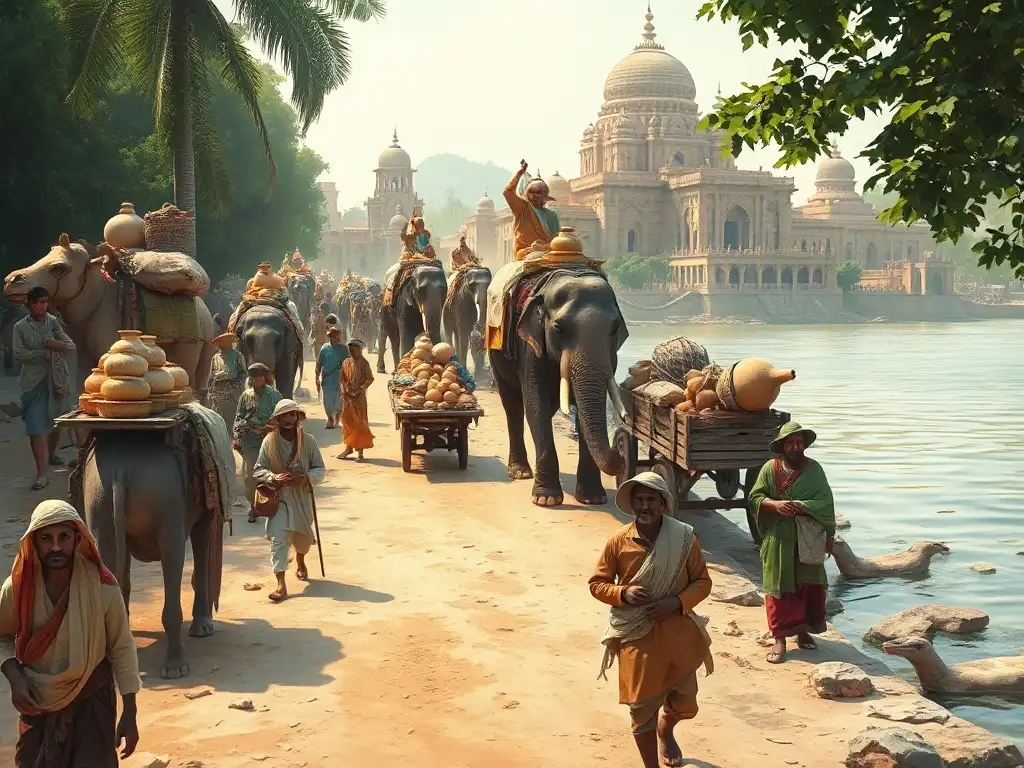
Despite their crucial role, transport workers in ancient India faced numerous challenges that impacted their livelihoods and safety.
Geographic and Environmental Obstacles
The diverse geography of ancient India presented significant challenges for transport workers. They navigated various terrains, including mountains, deserts, and dense forests, each posing unique difficulties. Seasonal monsoons could lead to flooding, rendering certain routes impassable, while arid conditions in regions like Rajasthan posed hurdles for transporting goods.
Additionally, the lack of well-maintained roads made travel arduous. Many routes were unpaved and poorly marked, which could lead to delays and loss of goods. Transport workers had to develop intimate knowledge of the land, weather patterns, and safe passages to ensure successful journeys.
Political and Economic Challenges
Political instability and economic fluctuations were persistent challenges for transport workers. Changes in leadership or conflicts could disrupt trade routes, leading to uncertainty in their livelihoods. For instance, during periods of warfare, certain areas became unsafe for travel, and transport workers often had to reroute or halt their operations altogether.
Economic conditions also affected their roles; during times of prosperity, transport workers thrived, but in times of famine or economic downturn, their earnings could dwindle significantly. The reliance on merchants and the larger economic systems often left transport workers vulnerable to external factors beyond their control.
Safety and Security Issues
Safety and security were major concerns for transport workers in ancient India. The movement of goods over long distances made them susceptible to banditry and theft. Encounters with hostile groups or wild animals during their journeys further threatened their safety.
To mitigate these risks, transport workers often traveled in groups, forming convoys for protection. However, this did not always guarantee safety, and many faced the constant threat of violence or robbery. The need for security not only impacted their routes and travel schedules but also influenced the types of goods they were willing to transport.
Case Studies of Transport Workers in Major Trade Centers
Throughout ancient India, transport workers played a pivotal role in facilitating trade and economic interactions between various regions. By examining specific trade centers, we can gain insights into the lives and contributions of these workers.
In major urban hubs like Harappa and Mohenjo-Daro, transport workers were essential for moving goods both within the city and to surrounding areas. Evidence suggests that these workers utilized carts, boats, and even animals such as oxen and camels to transport commodities like textiles, pottery, and agricultural produce. Their ability to navigate the intricate canal systems and river routes significantly contributed to the efficiency of trade networks.
Similarly, in the Mauryan Empire, cities like Pataliputra (modern-day Patna) served as significant trade nodes. Here, transport workers were crucial in connecting the empire's vast network that extended from the northwestern frontiers to the eastern coastal regions. They not only moved goods but also played a role in the dissemination of culture and ideas, making them integral to the empire’s economic and social fabric.
The Role of Workers in the Indus Valley Civilization
During the Indus Valley Civilization (circa 3300–1300 BCE), transport workers were indispensable in supporting the burgeoning trade networks established by this advanced society. Archaeological findings indicate the use of wheeled vehicles, particularly carts drawn by animals, which facilitated the movement of goods across considerable distances.
The discovery of seals and inscriptions suggests that trade was not only local but also extended to regions like Mesopotamia. Transport workers were responsible for the logistics of these exchanges, ensuring that a variety of goods, including semi-precious stones, metal tools, and agricultural products, reached their intended markets. This movement of goods helped solidify the Indus Valley’s status as a vital trading hub in the ancient world.
Moreover, the organization of labor in this civilization indicates a sophisticated understanding of transport logistics, where workers likely operated in teams, coordinating their efforts to maximize efficiency. The impact of these transport workers was profound, as it allowed for economic prosperity and cultural exchanges that enriched the civilization.
Transport Systems in the Mauryan Empire
The Mauryan Empire (322–185 BCE) is renowned for its extensive and well-structured transport systems that significantly enhanced trade and communication across the region. Under the leadership of Emperor Ashoka, the empire established a network of roads and highways that connected major cities, facilitating the movement of goods, people, and ideas.
Transport workers were vital in this system, utilizing various means of transport, including bullock carts, horses, and ships for river transport. The Grand Trunk Road, one of the oldest and longest major roads in Asia, exemplified the importance of these workers in maintaining trade routes. This road linked the eastern and western parts of the empire, allowing for the swift passage of merchants and their wares.
Additionally, the Mauryan administration implemented policies that encouraged trade, including the establishment of way stations or "rest houses" along major routes. These stations provided respite for transport workers and their animals, ensuring that trade could continue uninterrupted. The efficiency and effectiveness of the transport systems during this period were crucial for the economic growth of the Mauryan Empire and laid the groundwork for future trade practices in the region.
Contributions during the Gupta Period
The Gupta Period (circa 320–550 CE) is often referred to as a Golden Age in Indian history, marked by significant advancements in art, science, and trade. During this era, transport workers continued to play a vital role in the economy, especially in the context of expanding trade routes both domestically and with foreign markets.
One of the notable features of this period was the increased use of waterways for trade. The Ganges River, in particular, became a vital artery for transporting goods. Transport workers skilled in navigating these waterways became essential to the flourishing trade, moving goods such as spices, textiles, and precious metals.
Moreover, the emergence of merchant guilds led to organized systems of trade where transport workers were recognized for their contributions. These guilds often included provisions for their members, providing support and resources that enhanced the effectiveness of trade operations. The Gupta administration also took steps to improve infrastructure, including repairing and expanding roads, which further benefited transport workers and facilitated the movement of goods across longer distances.
Conclusion: Lasting Legacy of Transport Workers in Ancient Indian Society
The contributions of transport workers in ancient India are a testament to their critical role in shaping the trade and economic landscapes of their time. Their labor enabled the movement of goods, facilitated cultural exchanges, and fostered economic growth that benefited diverse communities across the subcontinent.
Summary of Their Impact on Trade and Economy
Transport workers were the backbone of ancient Indian trade, bridging gaps between producers and consumers. Their efforts not only supported local economies but also established India as a significant player in regional and international trade networks. By connecting various regions through efficient transport systems, they fostered an environment of trade that contributed to the prosperity of civilizations, from the Indus Valley to the Gupta Empire.
Reflection on the Importance of Labor Systems in Ancient India
The study of transport workers in ancient India highlights the importance of labor systems in shaping society. These workers were not merely laborers; they were key players in the economic framework, affecting trade dynamics and social interactions. Their existence underscores the intricate relationship between labor, economy, and culture in ancient Indian society, reminding us of the foundational role that workers have played throughout history. This legacy continues to influence contemporary perspectives on labor and trade, emphasizing the need for recognition and appreciation of those who contribute to economic systems.
- Introduction to Transport Workers in Ancient India
- Overview of Ancient Indian Economy
- Types of Transport Workers in Ancient India
- Key Roles of Transport Workers in Trade
- Tools and Methods Used by Transport Workers
- Cultural and Social Impacts of Transport Workers
- Challenges Faced by Transport Workers in Ancient India
- Case Studies of Transport Workers in Major Trade Centers
- Conclusion: Lasting Legacy of Transport Workers in Ancient Indian Society
- What was the significance of transport workers in ancient India?
- How did transport workers contribute to the economy?
- What types of transport were commonly used by workers in ancient India?
- Were there any specific regions known for their transport workers?
- How did the role of transport workers evolve during the Gupta Empire?
Frequently Asked Questions
What was the significance of transport workers in ancient India?
Transport workers played a crucial role in facilitating trade and commerce, connecting various regions and enabling the flow of goods and resources throughout ancient Indian civilizations.
How did transport workers contribute to the economy?
They contributed to the economic growth by ensuring the efficient movement of goods, which helped in expanding markets and enhancing trade relations both domestically and internationally.
What types of transport were commonly used by workers in ancient India?
Transport workers utilized various modes such as bullock carts, pack animals, and river boats, adapting to the geographical and economic requirements of the time.
Were there any specific regions known for their transport workers?
Yes, regions such as the Indus Valley and cities like Pataliputra were known for their active transport networks, which played a vital role in their trade activities and economic prosperity.
How did the role of transport workers evolve during the Gupta Empire?
During the Gupta Empire, the role of transport workers became more organized and systematized, leading to advancements in infrastructure and the establishment of trade routes that further boosted economic activities.
Final Reflection: The Unsung Heroes of Ancient Indian Trade
The role of transport workers in ancient India was pivotal to the flourishing of trade and economy, and their contributions resonate in today's globalized world. As we explore the intricate networks of trade routes that connected diverse regions, it becomes clear that these workers were not merely facilitators; they were the backbone of commerce, enabling the exchange of goods, culture, and ideas. Their legacy is a testament to the importance of every individual in the economic tapestry, reminding us that every role matters in the grand scheme of progress.
The influence of transport workers in ancient India extends beyond mere logistics; it shaped social structures and cultural exchanges that continue to impact our lives today. Their efforts fostered connections that transcended geographical boundaries, creating a rich tapestry of interactions that laid the groundwork for modern economies. As we reflect on this, we are reminded of the words of Mahatma Gandhi: The best way to find yourself is to lose yourself in the service of others.
This sentiment encapsulates the spirit of transport workers, whose dedication and labor were often overlooked yet essential to the prosperity of their communities.
As we move forward, let us take a moment to reflect on the lessons from the past and recognize the significance of every worker in our society. Consider how you can honor the contributions of those who facilitate our daily lives, whether in commerce, transport, or any other field. Embrace the spirit of collaboration and appreciation, and strive to uplift those who work tirelessly behind the scenes. By doing so, we not only acknowledge their vital role but also inspire a culture of respect and gratitude that can lead to a more equitable future for all.
Unveil the Legacy of Ancient Trade: Take Action Now!
Thank you for exploring the fascinating role of transport workers in shaping ancient Indian trade and economy! Your engagement with this rich history not only sheds light on the past but also provides valuable insights into how trade systems evolved over centuries. Now it's time to connect more deeply with this theme.
Here are some exciting actions you can take:
- Dive deeper into ancient transport routes and share your findings in our comments section; your insights could spark new discussions!
- Explore local archaeological sites related to ancient trade and transport, and consider writing a blog post about your discoveries.
- Join our community discussions on social media—share stories and perspectives with fellow history enthusiasts!
What specific aspects of ancient Indian trade intrigue you the most, and how do you think they impact today’s economy? We’d love to hear your thoughts!