
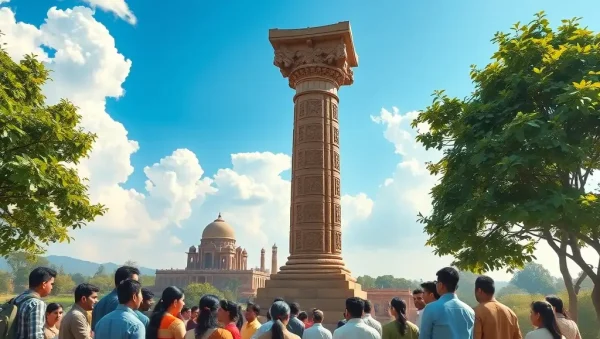
Ashoka the Great
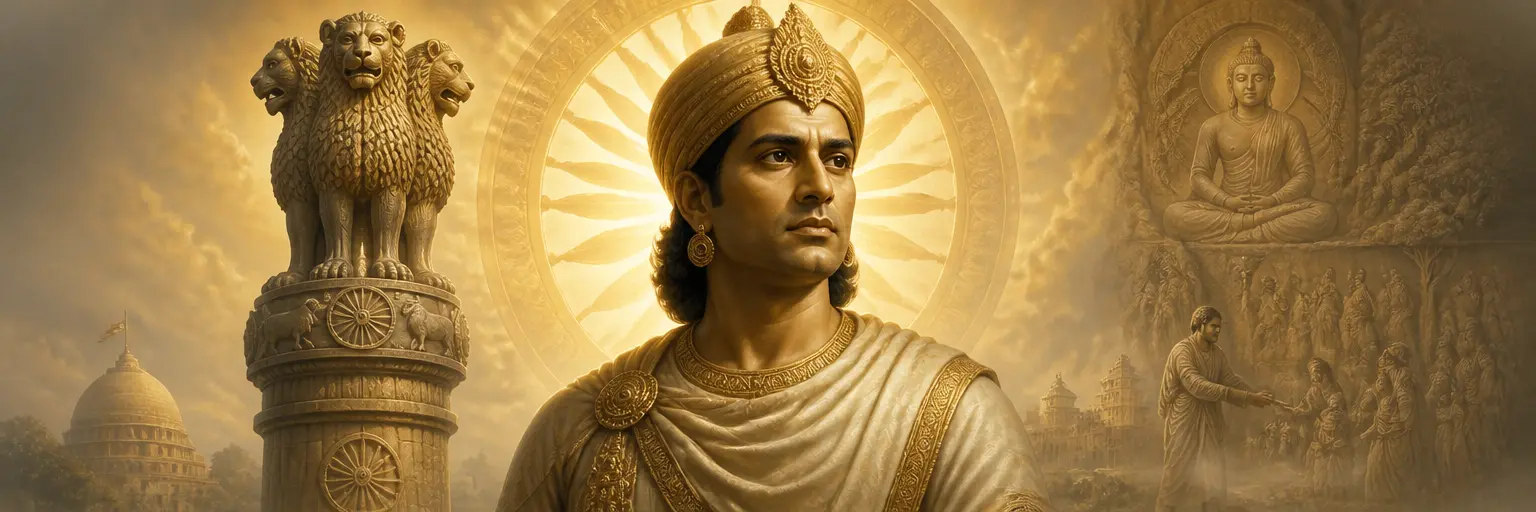
Ashoka the Great
62 articles in this topic
Read more about this topic
Explore Ashoka the Great, one of ancient India’s most influential rulers, whose transformation from conqueror to advocate of dhamma reshaped the Mauryan Empire. Discover his role in the Kalinga War, Buddhist patronage, rock and pillar edicts, administrative reforms, and lasting contributions to Indian history, culture, and peace.
More in Ashoka the Great
Ashoka the Great
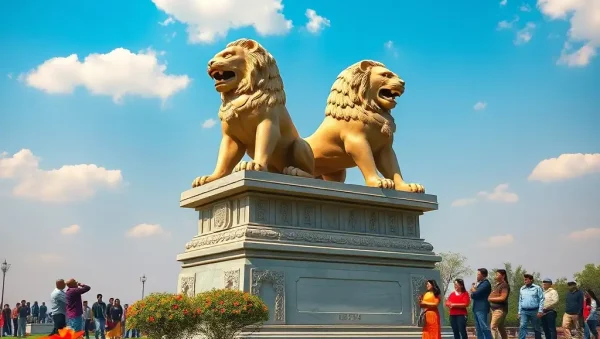
The Significance of Ashoka’s Lion Capital in Indian Heritage
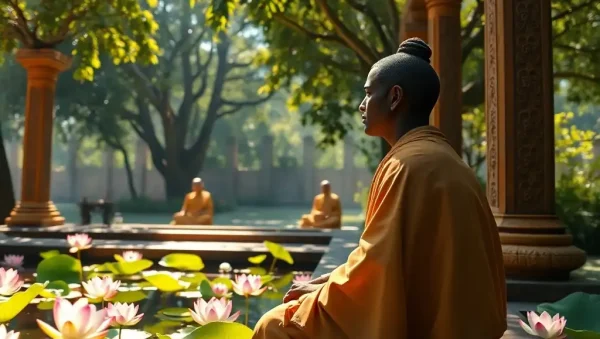
Ashoka the Great
The Spiritual Journey of Ashoka: Transformations and Revelations
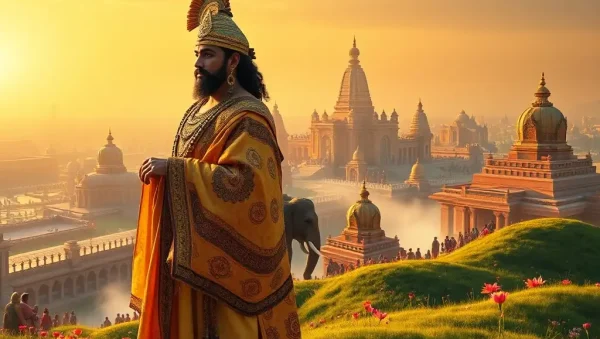
Ashoka the Great
The Fascinating Life of Ashoka: From Warrior to Peacekeeper
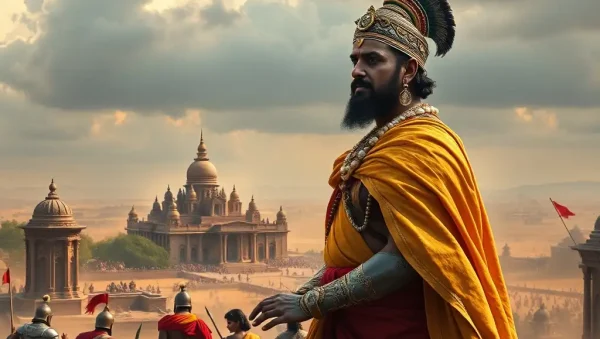
Ashoka the Great
How Ashoka the Great Handled Rebellions During His Rule
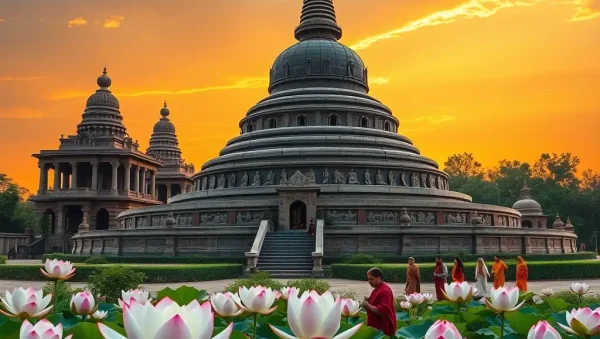
Ashoka the Great
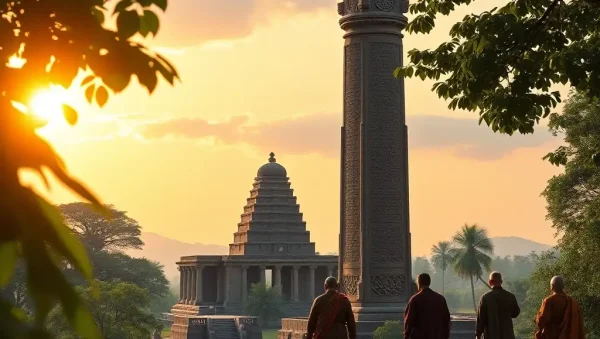
The Architecture of Ashoka: Temples, Stupas, and More
Ashoka the Great
The Edicts of Ashoka: Insights into Ancient Indian Society
Ashoka the Great
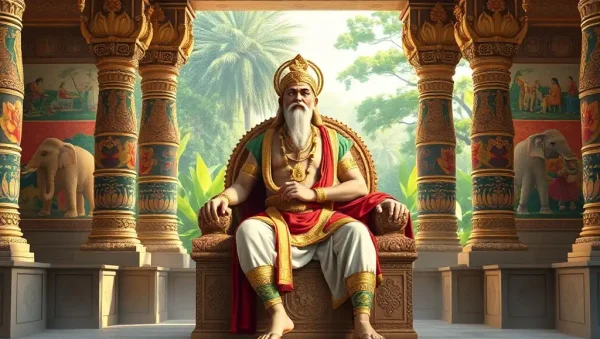
Ashoka’s Depictions in Art and Literature: A Cultural Exploration

Ashoka the Great
Ashoka’s Contributions to Medicine and Healthcare in Ancient India
Ashoka the Great: Emperor, Buddhist Patron, and Architect of Ancient Indian History
Explore the life, reign, achievements, and lasting legacy of Ashoka the Great, one of the most influential rulers in ancient Indian history. This subcategory examines Ashoka’s rise within the Mauryan Empire, the Kalinga War, his conversion to Buddhism, his famous rock and pillar edicts, and his role in spreading Buddhist values across India and beyond. Discover how Ashoka transformed from a powerful conqueror into a ruler associated with dhamma, compassion, religious tolerance, and ethical governance.
👑 Ashoka’s Early Life and Rise to Power
Learn about Ashoka’s royal background, his connection to the Mauryan dynasty, and the political circumstances that shaped his path to the throne. Articles in this section explore the reign of his grandfather Chandragupta Maurya, the administration of Bindusara, and the succession struggles that influenced Ashoka’s early career.
Readers can expect detailed explanations of Ashoka’s early military responsibilities, provincial administration, and imperial ambitions. By studying these formative years, you can better understand how Ashoka became one of the most important emperors of the Mauryan Empire and a central figure in ancient India history.
⚔️ The Kalinga War and Ashoka’s Transformation
Discover the causes, events, and consequences of the Kalinga War, one of the defining moments of Ashoka’s reign. The conquest of Kalinga expanded Mauryan influence, but the immense loss of life deeply affected the emperor and led him to reconsider the value of warfare and imperial conquest.
This section explains how the suffering caused by the war contributed to Ashoka’s moral and political transformation. Explore how his commitment to nonviolence, compassion, and dhamma changed the direction of Mauryan rule and created one of history’s most remarkable examples of a ruler renouncing aggressive expansion.
☸️ Ashoka and the Spread of Buddhism
Examine Ashoka’s relationship with Buddhism and his efforts to support Buddhist communities throughout the Mauryan Empire. Content covers his patronage of monasteries, support for religious teachers, and the connection between imperial authority and the development of Buddhist institutions.
Learn how Buddhist missions associated with Ashoka reached regions beyond the Indian subcontinent, including Sri Lanka and parts of Central and Southeast Asia. These articles highlight the spread of Buddhism under Ashoka while also explaining why his policies generally emphasized respect for different religious traditions.
🪨 Rock Edicts, Pillar Edicts, and Ashoka’s Inscriptions
Study the rock edicts and pillar edicts that provide some of the most important written evidence about Ashoka’s reign. Engraved across the Mauryan Empire, these inscriptions discuss justice, ethical conduct, administrative responsibility, religious harmony, and concern for people and animals.
Readers will discover how historians interpret Ashoka’s inscriptions as primary sources for understanding Mauryan administration and ancient Indian political thought. Explore the significance of Prakrit, Brahmi, Kharosthi, and other languages and scripts used to communicate the emperor’s message to diverse populations.
🧭 Ashoka’s Dhamma and Ideas of Good Governance
Learn what Ashoka meant by dhamma, a broad ethical policy that promoted compassion, respect for parents and teachers, kindness toward servants, generosity, and tolerance among religious communities. This section distinguishes Ashoka’s dhamma from Buddhism as a personal faith and examines its role as a public moral policy.
Explore how Ashoka used officials, public announcements, inscriptions, and welfare measures to encourage responsible citizenship. Topics include ethical leadership, social welfare, religious tolerance, justice, and peaceful administration, making this material valuable for students researching ancient governance and political history.
🏛️ Mauryan Administration, Welfare, and Infrastructure
Discover how Ashoka governed one of the largest empires in ancient Indian history. Articles examine provincial administration, communication networks, officials responsible for dhamma, taxation, law, and the relationship between the emperor and local communities across the Mauryan Empire.
This section also explores reports of roads, wells, shade trees, medical care, rest houses, and other welfare initiatives associated with Ashoka’s rule. Understand how these policies reflected his vision of responsible kingship and public welfare while helping maintain stability across a vast and culturally diverse empire.
🦁 Ashoka’s Symbols, Art, and Architectural Legacy
Explore the artistic and architectural achievements connected with Ashoka, including pillars, stupas, rock-cut monuments, and inscriptions. The famous lion capital at Sarnath, the Ashoka Chakra, and the polished sandstone pillars remain powerful symbols of ancient Indian civilization.
Learn how Ashokan art combined imperial authority with Buddhist and ethical themes. This content explains the historical importance of sites such as Sanchi, Sarnath, and the Barabar Caves, while showing how Ashoka’s monuments continue to influence Indian culture, heritage, and national identity.
🌏 Ashoka’s International Influence and Historical Legacy
Study Ashoka’s influence beyond the borders of the Mauryan Empire. His support for Buddhist missions and diplomatic contacts helped connect ancient India with Sri Lanka, Central Asia, and other parts of Asia, contributing to long-term cultural and religious exchange.
Readers can also examine Ashoka’s changing reputation over time, from his relative obscurity in some later traditions to his rediscovery through inscriptions in the nineteenth century. His legacy as an emperor of peace, moral leadership, and Buddhist history continues to attract historians, students, and readers worldwide.
❓ Frequently Asked Questions About Ashoka the Great
Who was Ashoka the Great?
Ashoka the Great was the third major ruler of the Mauryan Empire and one of the most influential emperors in ancient Indian history. He ruled much of the Indian subcontinent and became especially famous for promoting dhamma, compassion, religious tolerance, and nonviolence after the Kalinga War.
Why did Ashoka convert to Buddhism?
Ashoka’s transformation was strongly influenced by the suffering and destruction caused by the Kalinga War. Although historians debate the exact stages of his religious development, his inscriptions show that he later supported Buddhist teachings and promoted ethical conduct, peace, and compassion throughout his empire.
What was Ashoka’s dhamma?
Ashoka’s dhamma was a broad ethical policy rather than a simple synonym for Buddhism. It encouraged respect for parents and elders, kindness, generosity, nonviolence, responsible behavior, and tolerance toward different religious communities.
What are Ashoka’s edicts?
Ashoka’s edicts are inscriptions carved on rocks and pillars across the Mauryan Empire. They provide valuable evidence about his beliefs, administrative policies, welfare programs, views on justice, and efforts to promote moral behavior and religious harmony.
What is Ashoka’s most important legacy?
Ashoka’s greatest legacy is his transformation from a conqueror into a ruler associated with ethical governance and peace. His inscriptions, Buddhist patronage, monuments, and symbols such as the lion capital and Ashoka Chakra continue to shape the study of ancient India, Buddhism, Mauryan history, and Indian national heritage.