
Other Influential Leaders

Other Influential Leaders
62 articles in this topic
Start here
- Other Influential LeadersThe Influence of Ancient Indian Leaders on Modern Indian Politics
- Other Influential LeadersThe Great Warrior King: Analyzing the Leadership Style of Prithviraj Chauhan
- Other Influential LeadersThe Legacy of Leadership in Ancient Indian Epics: Lessons from Ramayana and Mahabharata
Read more about this topic
Discover the remarkable figures who shaped ancient Indian history beyond the better-known kings and emperors. Explore the lives, ideas, and enduring contributions of influential leaders, thinkers, reformers, spiritual teachers, and cultural pioneers who helped transform society from the Indus Valley Civilization through the Gupta Empire. 🏛️ Gain deeper insight into India’s heritage, leadership, philosophy, and civilization through inspiring stories that continue to influence the world today. 🌟
More in Other Influential Leaders
Other Influential Leaders
The Contributions of Chanakya: The Strategic Mind Behind the Mauryan Empire
Other Influential Leaders
The Evolution of Leadership: How Ancient Indian Kings Managed Diverse Populations
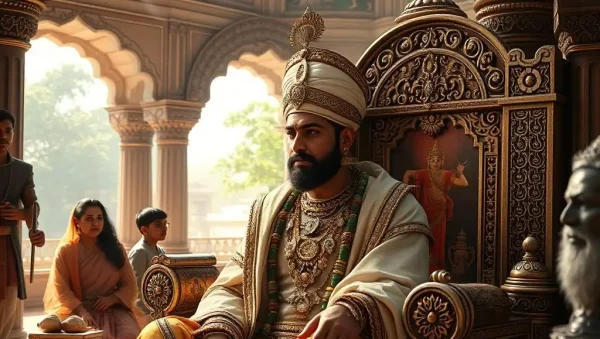
Other Influential Leaders
The Legacy of Raja Vikramaditya: A Cultural Icon of Ancient India
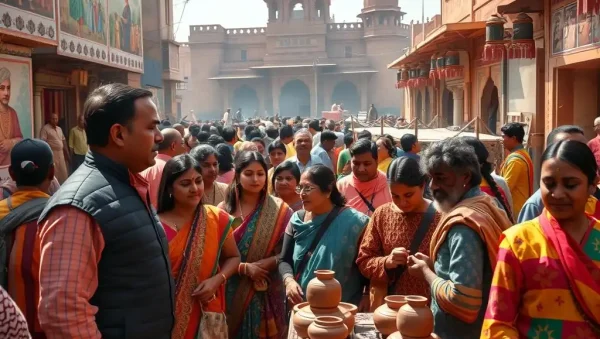
Other Influential Leaders
The Cultural Exchange Between India and Other Civilizations: Influential Leaders
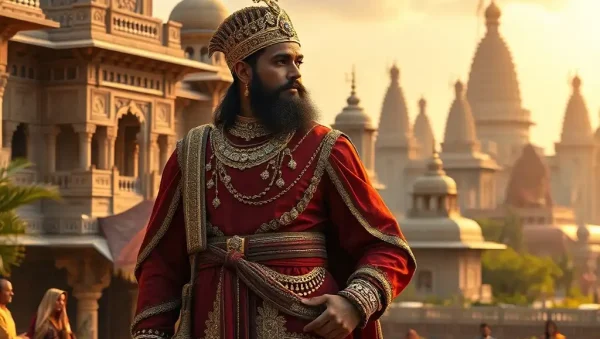
Other Influential Leaders
The LesserKnown Kings: Influential Figures Who Shaped Ancient Indian History
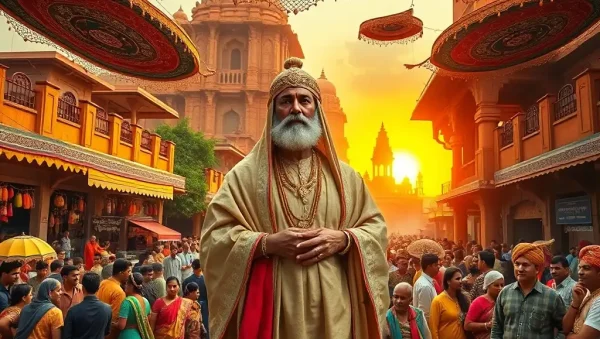
Other Influential Leaders
The Role of Leadership in the Growth of Ancient Indian Cities
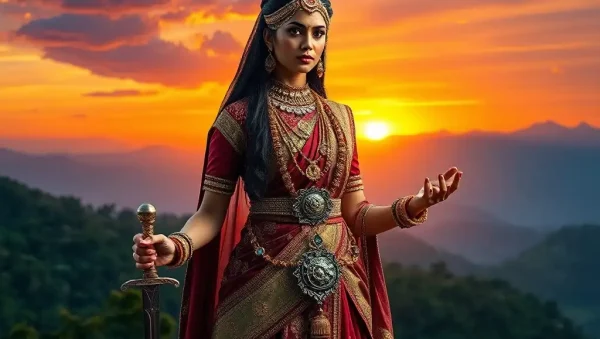
Other Influential Leaders
The Feminine Force: Exploring the Leadership of Rani Durgavati and Her Legacy
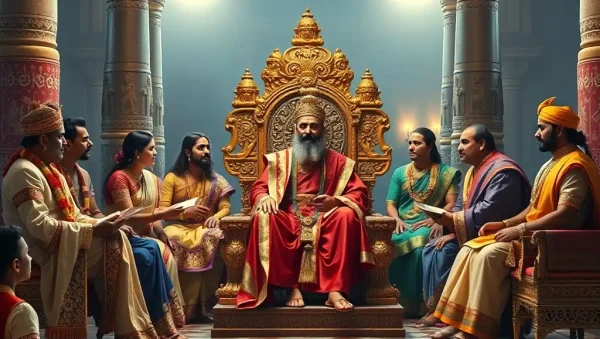
Other Influential Leaders
The Evolution of Kingship: How Leadership Styles Changed Over Centuries
📜 Other Influential Leaders in Ancient India
Explore the remarkable lives and enduring legacies of Other Influential Leaders in Ancient India, a diverse group of rulers, reformers, administrators, military commanders, thinkers, and cultural patrons who shaped the development of Indian civilization. Within the Key Historical Figures section of Ancient India History, this subcategory examines individuals whose contributions extended beyond the most widely known emperors and dynasties. Discover how their decisions influenced ancient Indian politics, society, religion, education, trade, art, and governance from the Indus Valley tradition through the Mauryan, Satavahana, Kushan, Sangam, and Gupta periods.
👑 Forgotten Kings and Regional Rulers
Readers can discover the stories of regional kings and lesser-known monarchs who governed important territories across the Indian subcontinent. These leaders helped develop early Indian kingdoms, strengthened local administration, protected trade routes, and supported the growth of towns, agriculture, and religious institutions. Their histories provide valuable insight into the political diversity of ancient India.
This section also highlights how regional rulers interacted with powerful empires, neighboring states, and foreign communities. By exploring inscriptions, coins, monuments, and literary sources, readers can understand the political history of ancient India through perspectives that are often overlooked in traditional accounts.
⚔️ Military Leaders and Defenders of Ancient India
Learn about influential generals, commanders, and warrior leaders who defended kingdoms and expanded their political influence. Their campaigns reveal the importance of military strategy, fortified cities, cavalry, elephants, naval activity, and alliances in the history of ancient Indian warfare. These figures played essential roles during periods of regional competition and imperial expansion.
Articles in this subcategory explain how military leadership affected diplomacy, borders, administration, and cultural exchange. Readers can expect clear discussions of ancient Indian battles, military organization, strategic leadership, and royal power, supported by historical context and evidence from inscriptions and classical sources.
🧠 Political Thinkers and Visionary Administrators
Ancient India produced influential thinkers and administrators who contributed to systems of law, taxation, public order, diplomacy, and statecraft. This section explores leaders and advisers connected with the development of ancient Indian governance, including ideas about ethical rule, justice, economic management, and the responsibilities of kings.
Readers will gain a deeper understanding of how states were organized and managed across different historical periods. Topics may include administrative systems, royal courts, local government, taxation, espionage, diplomacy, and political philosophy, making this subcategory useful for students and anyone interested in the evolution of Indian political institutions.
🕉️ Spiritual Leaders and Religious Reformers
Discover spiritual teachers, religious leaders, and reformers who influenced the beliefs and practices of ancient Indian society. Their teachings contributed to the development and spread of Hindu, Buddhist, Jain, and other philosophical traditions. These figures helped shape ideas about dharma, karma, morality, meditation, nonviolence, liberation, and social responsibility.
This section places religious leadership within its broader historical setting. Readers can explore how spiritual movements challenged established customs, attracted followers, supported monasteries, and traveled across Asia. The content connects ancient Indian religion and philosophy with education, art, literature, pilgrimage, and everyday life.
🏛️ Patrons of Art, Architecture, and Learning
Many influential leaders strengthened ancient Indian civilization by supporting artists, architects, scholars, poets, physicians, and religious institutions. This section examines the rulers and patrons responsible for temples, stupas, caves, universities, inscriptions, sculptures, and other achievements of ancient Indian art and architecture.
Readers can learn how royal patronage encouraged the development of Sanskrit and Prakrit literature, scientific knowledge, temple design, sculpture, painting, and monumental architecture. These stories demonstrate how cultural leaders transformed political power into a lasting intellectual and artistic legacy.
🌏 Leaders Who Connected India with the Wider World
Explore influential figures who encouraged trade, diplomacy, migration, and cultural exchange between India and other regions. Their reigns and policies helped connect ancient India with Central Asia, Southeast Asia, the Roman world, Persia, and maritime trading centers. These connections played a major role in the spread of Indian culture, religions, languages, and commercial ideas.
Content in this section considers the movement of merchants, monks, envoys, technologies, artistic styles, and political traditions. Readers will discover how leadership contributed to ancient Indian international relations, Silk Road history, maritime trade, and cross-cultural exchange.
📚 Sources, Evidence, and Historical Legacy
Understanding lesser-known historical leaders requires careful use of evidence. This subcategory introduces the types of sources used to study them, including inscriptions, coins, monuments, religious texts, epics, biographies, foreign travel accounts, and archaeological discoveries. Each source offers important clues while also requiring thoughtful interpretation.
Readers can expect balanced explanations that distinguish historical evidence from legend and later tradition. By examining the historical legacy of influential Indian leaders, this section shows how memory, mythology, regional identity, and modern scholarship continue to shape our understanding of ancient India.
❓ Frequently Asked Questions About Other Influential Leaders
Who are included among the other influential leaders of ancient India?
This group includes regional kings, military commanders, administrators, spiritual teachers, reformers, scholars, diplomats, and cultural patrons who made significant contributions but may receive less attention than famous emperors. Their influence can be seen in government, religion, warfare, education, trade, art, and social development.
Why are lesser-known leaders important in ancient Indian history?
Lesser-known leaders provide a more complete and diverse view of the past. They reveal how local kingdoms, communities, and institutions functioned beyond major imperial centers, helping readers understand the regional history and cultural diversity of ancient India.
What sources are used to study these historical figures?
Historians use inscriptions, coins, archaeological remains, religious and literary texts, monuments, sculptures, and accounts written by foreign visitors. Comparing multiple sources helps researchers evaluate the reliability of historical claims and separate documented events from later traditions.
Which periods are covered in this subcategory?
The subcategory may cover influential leaders from the Indus Valley tradition through the Vedic, Mauryan, post-Mauryan, Satavahana, Kushan, Sangam, and Gupta periods. It focuses on individuals whose actions contributed to the development of ancient Indian civilization across different regions and centuries.
What can students learn from studying other influential leaders?
Students can learn how leadership shaped political systems, religious movements, military organization, trade networks, literature, science, art, and architecture. Studying these figures also encourages critical thinking about historical evidence, cultural change, regional identity, and the lasting legacy of ancient India.